October 1, 2026
Landscaping Fabric Explained: What It's Made Of and How It's Used
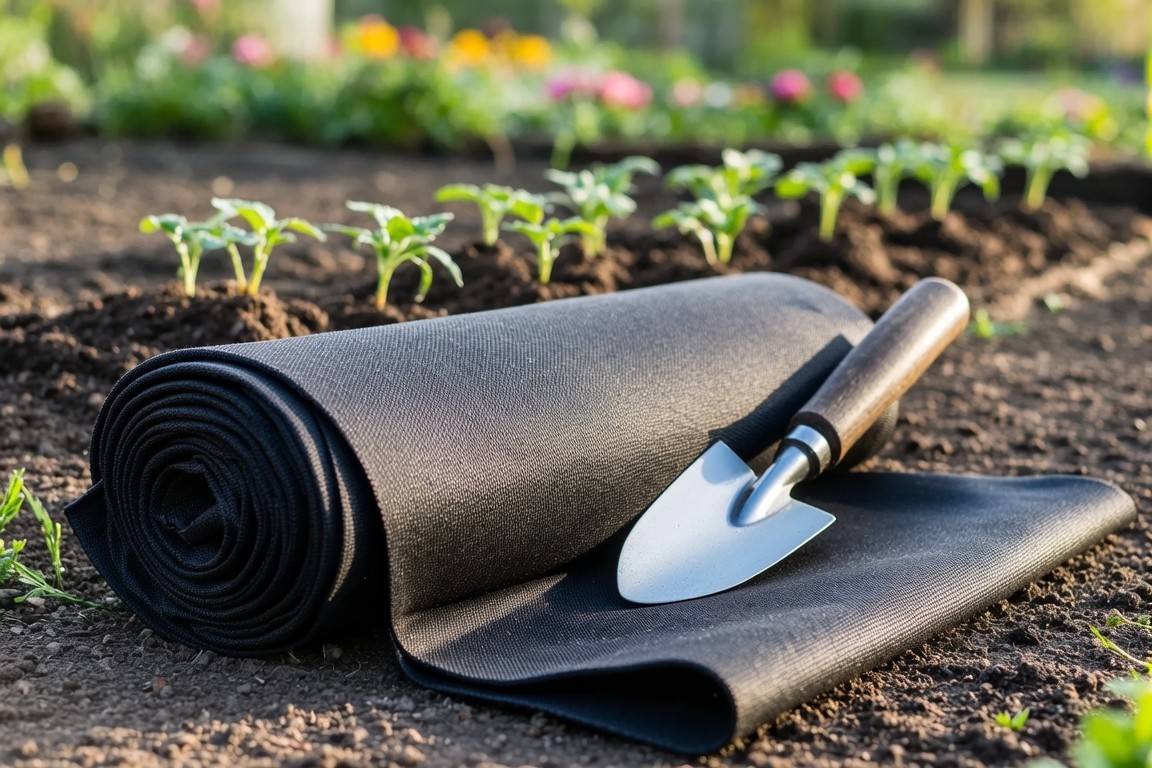
Wondering what landscaping fabric is made of and how it works? Beaver Creek explains fabric types, uses, and installation tips for Wisconsin yards.
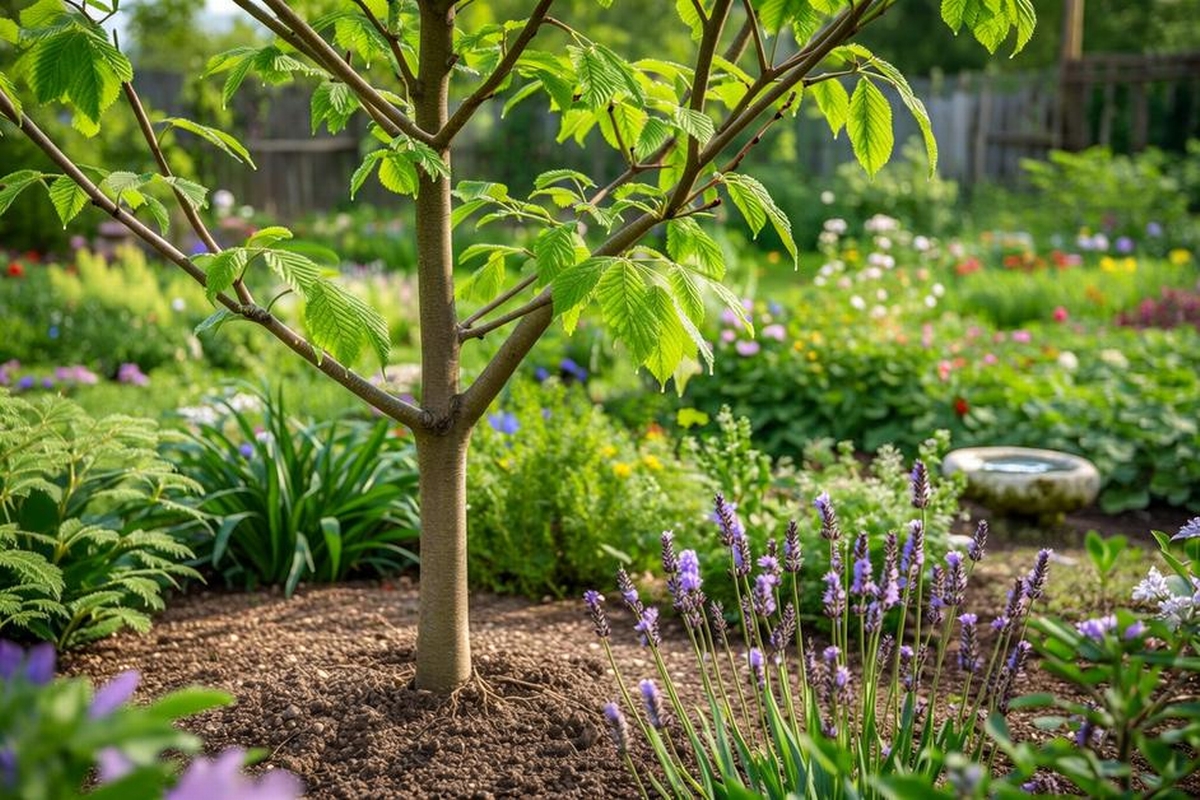
The buzz of a chainsaw, the scent of fresh-cut wood, and soon enough, the space once occupied by a robust tree stands open and barren. Homeowners often find themselves asking, "Can you plant a tree where one was removed?" Whether this is due to aesthetic reasons or environmental concerns, the question is both common and complex. As experts in lawn care services in Marshfield, WI, Beaver Creek Nursery & Landscaping LLC is here to provide you with insights into how to navigate the nuances of this question.
At its core, replanting is about rejuvenating your landscape and maintaining ecological balance. And yet, the space previously occupied by a tree might present unique challenges that influence your ability to replant successfully. This blog will explore the key factors to consider before proceeding, offering guidance on how to prepare the ground, select the right tree species, and ensure your new addition thrives in its new location.
Before answering "can you plant a tree where one was removed," it's essential to delve into what happens to the soil and the surrounding environment when a tree is uprooted. Past plantings might have altered the soil in terms of nutrients and structure. Typically, the area might be dense with roots, and over time, it could become compacted. Adding to this complexity is the presence of leftover wood chips, which might exist if comprehensive stump grinding wasn't performed.
Roots and wood chips decompose over time, affecting the soil's nutrient composition. As decomposition occurs, nitrogen, a critical nutrient for plant growth, may become temporarily unavailable, potentially impeding the establishment of new plants. Furthermore, any remaining roots act like a barrier, restricting new roots from expanding to their full potential.
For those serious about reintroducing trees into their landscape, site preparation is paramount. Proper preparation involves several steps, like checking for leftover roots or debris from the old tree. If remnants are found, stump grinding might be necessary, a service that tree removal and stump grinding professionals often handle. Additionally, testing the soil for nutrient levels and pH balance is advisable to assess if amendments are needed.
The ground should be loosened and aerated to accommodate the new tree's root system. In areas like Marshfield, WI, where the soil might be clay-heavy, breaking up compacted soil layers is a beneficial practice. Making these preparations sets the stage for successful root expansion and healthy growth.
With an understanding of site preparation, the next step is tree selection. Not all trees are equal, especially concerning adaptability to previously occupied soils. When selecting a tree, prioritize species that naturally adapt to your local climate - this presents a better chance of thriving and maturing into a strong, hardy plant.
Examples of tree species suited to Marshfield, WI, include sugar maples, northern red oak, and various birch trees, all of which adapt well to regional soil and climate conditions. These varieties do well with the typical Marshfield conditions of nutrient-rich, well-drained soils.
After planting, focus shifts towards maintenance to support the newly established tree. Primary care includes monitoring and tweaking soil moisture levels, as overly wet or dry environments can stress the tree. Mulching is recommended to help retain moisture and suppress unwelcome weed growth.
Additionally, protecting against pests and disease is critical, particularly in the early phases. Regular inspections can notify you of concerns early, allowing for prompt rectification. Employing professional landscaping services in Marshfield, WI, can also help ensure that tree care is optimal and successful.
Integrating tree planting into your landscaping approach not only enhances aesthetic appeal but also contributes remarkable environmental benefits. Trees improve air quality, provide shade, and support wildlife, aligning your landscape design with sustainability goals. Every step you take today influences your yard's future, boasting both ecological and aesthetic rewards.
Collaborate with professionals in the landscaping industry, like us, for tailored advice on how to best bolster your landscape's sustainability. Our expertise can help you tackle challenges unique to Marshfield settings, such as those that come with having clay-rich or certain nutrient-deplete soils.
In exploring "can you plant a tree where one was removed," we've covered site preparation, species selection, and long-term care considerations. Remember that acquiring expert help, whether you opt for landscaping in nearby communities, or addressing a fallout from tree removal and stump grinding, can greatly amplify your chances of success.
If you decide the time is right to breathe new life into your yard, don't tackle it alone. Reach out to us and let our proven expertise transform your landscape dream into reality. Our comprehensive services extend beyond Marshfield, WI, covering nearby locales, ensuring you have top-notch lawn care and maintenance wherever you may need it.

October 1, 2026
September 17, 2026
Permit requirements for tree removal vary based on your location and the size of the tree. We can help determine if a permit is necessary and guide you through the process to ensure compliance with local regulations.
If your lawn has bare patches, thinning grass, or persistent weeds, it may be time for new lawn installation or repair. Our team will assess your soil and recommend the best grass type for your property.
The duration depends on the method used. Sod installation provides an instant green lawn and is typically ready for use in a few weeks, while seeding takes longer but is a cost-effective option.
The cost to cut down a tree varies based on factors like its size, location, and condition. Larger trees or those near structures typically require more labor and specialized equipment, increasing the cost of cutting it down.
The cost to grind a stump is influenced by the stump's size, root depth, and accessibility. On average, stump grinding ranges from $100 to $500 per stump, with larger or more deeply rooted stumps potentially requiring a higher cost.
Tree removal costs vary based on factors like the tree's height, diameter, location, and overall condition. Tree removal estimates typically range from $300 to $2,500, with more complex jobs—such as those near power lines or buildings—requiring additional labor and safety measures.
October 1, 2026
Wondering what landscaping fabric is made of and how it works? Beaver Creek explains fabric types, uses, and installation tips for Wisconsin yards.
September 17, 2026
Is landscaping fabric water permeable? Learn how it works in garden beds, when to use it, and tips from Beaver Creek Nursery & Landscaping in Marshfie...
September 15, 2026
Learn what grading in landscaping means, why it protects your property from water damage, and how proper slope keeps your yard healthy in Central Wisc...