
October 17, 2026
Does Landscaping Improve Home Value? What Homeowners Should Consider
Does landscaping improve home value? Learn how smart outdoor investments boost curb appeal and resale value for homes across Central and Northern Wisc...
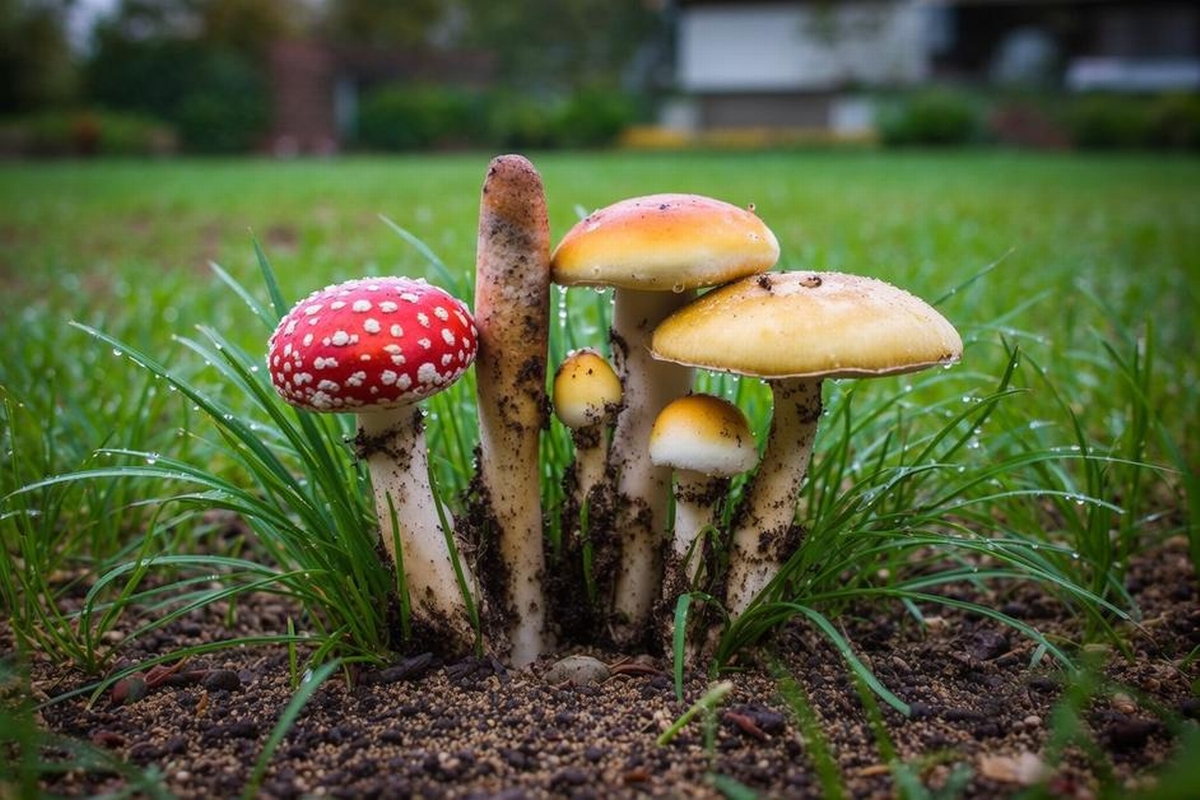
Mushrooms popping up around your yard are more than just an eyesore. They can indicate underlying issues with your soil or yard maintenance practices. Understanding how to get rid of mushrooms in the yard requires more than just removing the visible caps. It's about addressing the root causes and preventing them from making a comeback. With expertise in lawn care services in Marshfield and nearby communities, Beaver Creek Nursery & Landscaping LLC is here to guide you through these challenges and solutions.
Mushrooms are the fruiting bodies of fungi that thrive in damp, shaded environments rich in decaying organic material. While some species are harmless, others can pose risks to children and pets. Getting rid of them involves a combination of immediate action and preventive strategies. This blog post will explore effective methods to remove these fungi and practical ways to safeguard your yard. We'll delve into practical solutions to discourage their return, so read on if you're keen on maintaining a pristine lawn.
Mushrooms often appear when there's abundant moisture in your yard. Heavy rainfall or over-irrigation creates the perfect conditions for fungal growth. Decaying organic matter, such as leaves and grass clippings, provides food for fungi, promoting their proliferation. To understand how to get rid of mushrooms in the yard effectively, it's crucial to tackle these contributing factors first.
Moreover, poor drainage can exacerbate the situation. Waterlogged soil retains moisture, allowing fungal networks to thrive beneath the surface. Aerating your lawn can alleviate compaction and increase water penetration, preventing conditions suitable for mushroom growth. While removing mushrooms manually might give temporary relief, ensuring soil health is a more sustainable solution.
Recognizing the types of mushrooms appearing in your yard can be helpful. While it's unnecessary to identify every species, understanding whether they are toxic can aid in determining the urgency of their removal. Common species like puffballs and stinkhorns often create unsightly patches and can emit unpleasant odors.
Avoid handling mushrooms barehanded, particularly if unsure about their species. Some might cause allergic reactions or be poisonous. In Marshfield, WI, lawn care and maintenance services can provide an expert assessment, giving you peace of mind about your family's safety.
When discussing how to get rid of mushrooms in the yard, manual removal comes to mind. It's the immediate response to seeing unwanted fungi. However, this method only removes the surface-level cap, not the underground mycelium. To prevent regrowth, it's essential to remove the organic material feeding these fungi.
These steps focus on immediate removal while addressing environmental factors contributing to mushroom growth. Consistency is key - regular maintenance prevents ideal conditions for fungi to return.
To prevent mushrooms from returning, consider integrating several strategic practices into your routine yard maintenance. One pivotal step is ensuring proper ventilation and sunlight exposure. Clear away overgrown shrubs and trim tree canopies to allow light to penetrate, creating a less hospitable environment for fungi.
Maintaining a balanced irrigation schedule is crucial. Overwatering can lead to mushroom growth; thus, it's vital to irrigate your lawn only when necessary. Install a rain gauge or soil sensor to monitor moisture levels, ensuring your yard receives the optimal amount of water without excess.
Additionally, adapt your yard’s nutrient profile by applying fertilizers judiciously. Excess nutrients often encourage fungal growth, so it's beneficial to test your soil and adjust your fertilizer use accordingly. Likewise, spreading a thin layer of compost annually can promote healthy soil flora and indirectly deter mushrooms.
While many homeowners manage mushroom issues independently, enlisting professional assistance can simplify the process and ensure lasting results. Professional lawn care services can conduct soil tests to diagnose underlying problems like pH imbalance or nutrient deficiency. They can also provide tailored solutions to enhance your soil's health and resilience.
For instance, Beaver Creek Nursery & Landscaping LLC offers robust services to improve the health of your lawn in Marshfield, WI. Their expertise spans landscaping and lawn care and maintenance, providing integrated strategies to maintain vibrant and mushroom-free yards.
If conditions such as excessive moisture or dense shade persist, consulting a professional can expedite successful remediation. An expert assessment can illuminate hidden issues within your landscape design or maintenance routine that exacerbate fungal problems.
Creating a balanced ecosystem in your yard is a holistic approach to maintaining its health and aesthetic appeal. Encouraging biodiversity, such as by planting native flora, can support beneficial organisms that naturally regulate fungi and other pests. Regular maintenance routines like weeding, pruning, and debris management also foster a healthy environment conducive to lawn vitality rather than fungal growth.
Resilient soil is fundamental in the fight against unwanted mushrooms. Practices like amending soil with organic compost can enhance beneficial microorganisms that compete with fungi, thereby suppressing their growth. Employing mulching techniques also conserves moisture efficiently, reducing the likelihood of waterlogging - a prime condition for fungal proliferation.
Ultimately, addressing how to get rid of mushrooms in the yard comes down to maintaining a balanced and healthy ecosystem.
While understanding and implementing these practices is crucial, enlisting professional help can ensure comprehensive solutions. Beaver Creek Nursery & Landscaping LLC provides tailored services not just in Marshfield, WI, but also throughout other regions to accommodate diverse landscaping needs. For those seeking expertise beyond typical yard maintenance, they offer services like snow and ice removal.
Addressing persistent mushroom issues might require specialized intervention, especially if your yard exhibits underlying ecological imbalances. Experienced professionals can provide insights into efficient and sustainable yard management that aligns with your outdoor vision.
Investing in professional services like those offered by Beaver Creek Nursery & Landscaping LLC fosters a robust and aesthetically pleasing yard and addresses concerns efficiently. Consider contacting us to schedule your consultation today and let us assist with optimizing your yard's health and beauty.

October 17, 2026

October 15, 2026
Permit requirements for tree removal vary based on your location and the size of the tree. We can help determine if a permit is necessary and guide you through the process to ensure compliance with local regulations.
Yes! Over time, soil can become compacted, making it harder for water, air, and nutrients to reach the roots. Aerating helps loosen the soil and promote healthier, stronger grass. If your lawn sees heavy foot traffic or feels hard to the touch, it's time for aeration.
The best way to tackle weeds is with a combination of proper lawn care and targeted weed control. Keeping your grass thick and healthy through overseeding and fertilization helps crowd out weeds.
If your lawn has bare patches, thinning grass, or persistent weeds, it may be time for new lawn installation or repair. Our team will assess your soil and recommend the best grass type for your property.
A green lawn starts with proper care. Regular mowing, watering, fertilization, and aeration all contribute to a healthier lawn. Our yard clean-up services also help by removing debris and ensuring your grass gets the sunlight and airflow it needs to thrive.
The duration depends on the method used. Sod installation provides an instant green lawn and is typically ready for use in a few weeks, while seeding takes longer but is a cost-effective option.
October 17, 2026
Does landscaping improve home value? Learn how smart outdoor investments boost curb appeal and resale value for homes across Central and Northern Wisc...

October 15, 2026
A well-built brick patio or a crisp garden border can transform an ordinary yard into a space that feels finished and inviting. Brick is one of the mo
October 3, 2026
Wondering how much landscaping costs in Central and Northern Wisconsin? Explore the factors that shape pricing for common outdoor projects near Marshf...