October 3, 2026
Common Outdoor Project Costs: How Much Does Landscaping Cost?
Wondering how much landscaping costs in Central and Northern Wisconsin? Explore the factors that shape pricing for common outdoor projects near Marshf...
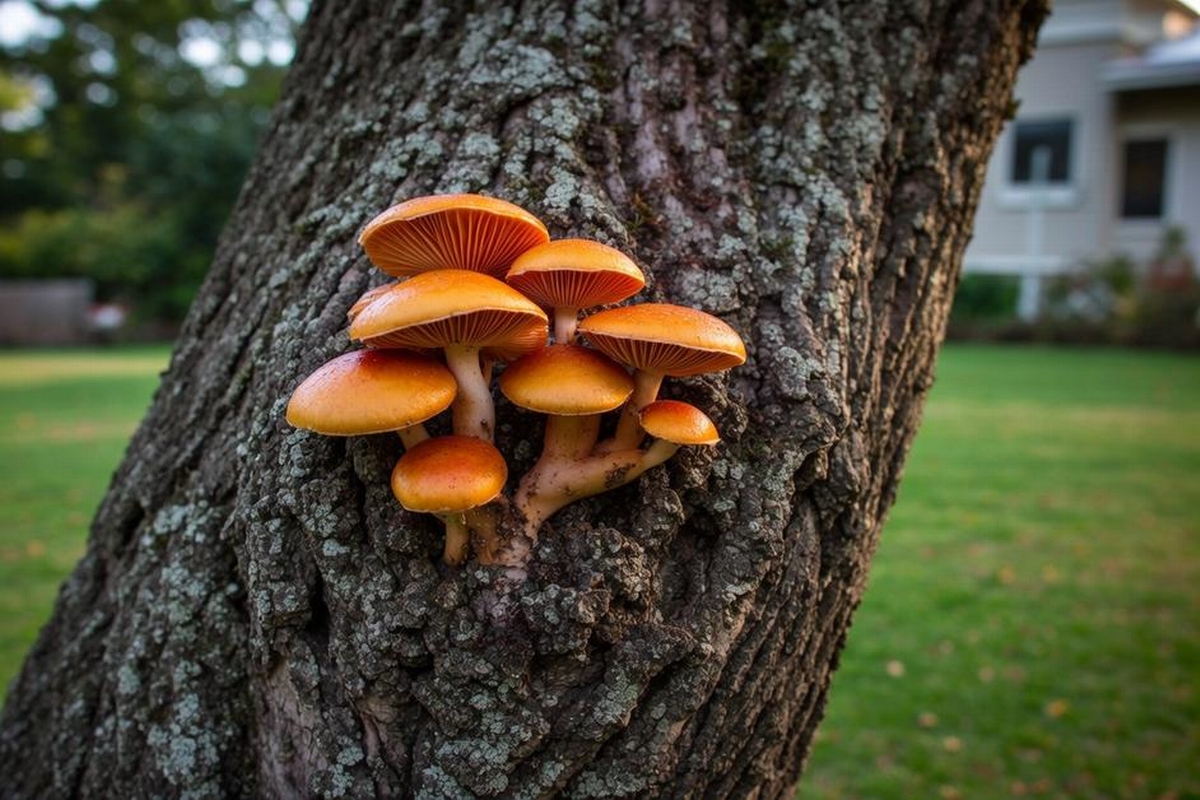
Tree fungus is a silent threat that lurks in almost every backyard, threatening the health and longevity of your favorite trees. Unlike more obvious tree ailments, fungi can stealthily infect without immediate signs. If you've ever wondered how to remove tree fungus before it spreads, you're not alone. Many homeowners struggle with this pervasive issue, especially in areas known for their greenery. The good news is, effective management can help save your trees from irreversible damage. When tackling such concerns, consulting with experienced lawn care and landscaping contractors in Marshfield, WI, can be instrumental.
Understanding the menace that tree fungi pose is crucial for any homeowner or gardening enthusiast. Fungus can lead to decay, weaken the tree's structure, and eventually kill it if not properly managed. This article digs deep into the practical ways to curb the spread of tree fungi, offering insights and strategies to protect your trees. From identifying the early symptoms to utilizing effective removal techniques, by the end of this read, you'll be well-equipped to handle fungi threats with confidence.
Tree fungal issues are common and can arise from various fungi types that attack different tree parts, from the roots to the bark. Each kind of fungus manifests differently. Some might cause noticeable changes in the tree's appearance, like discolored leaves or strange growths, while others could cause internal damage, remaining undetected until it's too late. This diversity further complicates the issues, emphasizing the need for vigilance.
Commonly encountered types include mildew, rusts, and blights. These fungi thrive in moist environments, making certain climates ideal breeding grounds. Fungi on trees typically indicate an underlying problem, such as poor soil drainage or damaged bark. For instance, mildew presents as white, powdery growths, while rust might appear as orange or reddish spots on leaves. Identifying these signs early is the first and most critical step toward effective treatment.
Knowing how to identify fungus symptoms is vital, as early detection allows for more effective interventions. Observable symptoms might include discolored, wilted, or misshaped leaves, and, in some cases, advanced symptoms like the presence of mushroom-like growths around the base of the tree. These signs suggest that the fungus might be well-established within the tree, indicating both a challenge and an opportunity for informed interventions.
Many times, symptoms might only be visible on one part of the tree. However, this doesn't mean that other areas are safe. Fungi spread through spores, which are microscopic and can easily travel via wind, water, or even human activity. Therefore, once symptoms appear, immediate action is crucial to prevent widespread infection.
Now that you're able to identify tree fungus, let's explore how to remove tree fungus before it spreads. Below are strategies and best practices to ensure effective management:
These strategies form the backbone of proactive fungal management. They are not only about addressing current issues but also preventing future occurrences.
Pruning is a fundamental aspect of tree care and plays a vital role in controlling and preventing fungi. Through pruning, not only do you remove infected areas, but you also reshape the tree to facilitate better growth and air flow. Begin with the most affected areas, and gradually move to less infected ones. Always sanitize pruning tools between cuts to avoid cross-contamination.
Effective pruning also eliminates branches that are weak or damaged, thus reducing the tree's susceptibility to infections. It's a delicate balance, as over-pruning can stress the tree, making it vulnerable to other diseases. Therefore, precision and timing are of the essence in this preventive measure.
While DIY solutions are feasible for minor problems, some tree fungi cases require professional intervention. Experts bring an advanced understanding and tools that ensure a comprehensive approach to tree health.
Professional lawn care and maintenance services, offering tree removal and stump grinding in Marshfield, WI, are designed to tackle more severe fungal infections. They provide specialized treatments such as targeted fungicide applications, tree surgery, and sometimes, necessary tree removal if the infection is beyond control.
Addressing tree fungi can be overwhelming, especially when the infection has spread. The costs of letting fungi run rampant - tree loss, property damage, or even safety hazards from weakened trees - are significant. Investing in professional services not only ensures optimal tree health but secures your property and safety. Lawn care and maintenance services in Marshfield, WI, provide comprehensive management solutions suited to your specific needs.
When considering tree health in Minocqua, services including land clearing, snow and ice removal, soft wash and power washing have proven to be comprehensive. By leveraging a combination of these techniques, professional teams ensure that trees are given the best chance at recovery while enhancing the landscape's overall aesthetic.
Your trees' well-being significantly impacts the entire landscape. It is more than about reacting to issues; it is about proactive, informed care that forestalls potential problems. By understanding how to remove tree fungus before it spreads, you become a steward of your landscape, ensuring that your trees thrive for years to come.
Whether for preventive measures or emergency fungal treatment, count on Beaver Creek Nursery & Landscaping LLC to offer expert solutions tailored to your landscape's unique needs. Reach out today and let us help you safeguard your green spaces with precision and care.

October 3, 2026
October 1, 2026
Permit requirements for tree removal vary based on your location and the size of the tree. We can help determine if a permit is necessary and guide you through the process to ensure compliance with local regulations.
If your lawn has bare patches, thinning grass, or persistent weeds, it may be time for new lawn installation or repair. Our team will assess your soil and recommend the best grass type for your property.
The duration depends on the method used. Sod installation provides an instant green lawn and is typically ready for use in a few weeks, while seeding takes longer but is a cost-effective option.
The cost to cut down a tree varies based on factors like its size, location, and condition. Larger trees or those near structures typically require more labor and specialized equipment, increasing the cost of cutting it down.
The cost to grind a stump is influenced by the stump's size, root depth, and accessibility. On average, stump grinding ranges from $100 to $500 per stump, with larger or more deeply rooted stumps potentially requiring a higher cost.
Tree removal costs vary based on factors like the tree's height, diameter, location, and overall condition. Tree removal estimates typically range from $300 to $2,500, with more complex jobs—such as those near power lines or buildings—requiring additional labor and safety measures.
October 3, 2026
Wondering how much landscaping costs in Central and Northern Wisconsin? Explore the factors that shape pricing for common outdoor projects near Marshf...
October 1, 2026
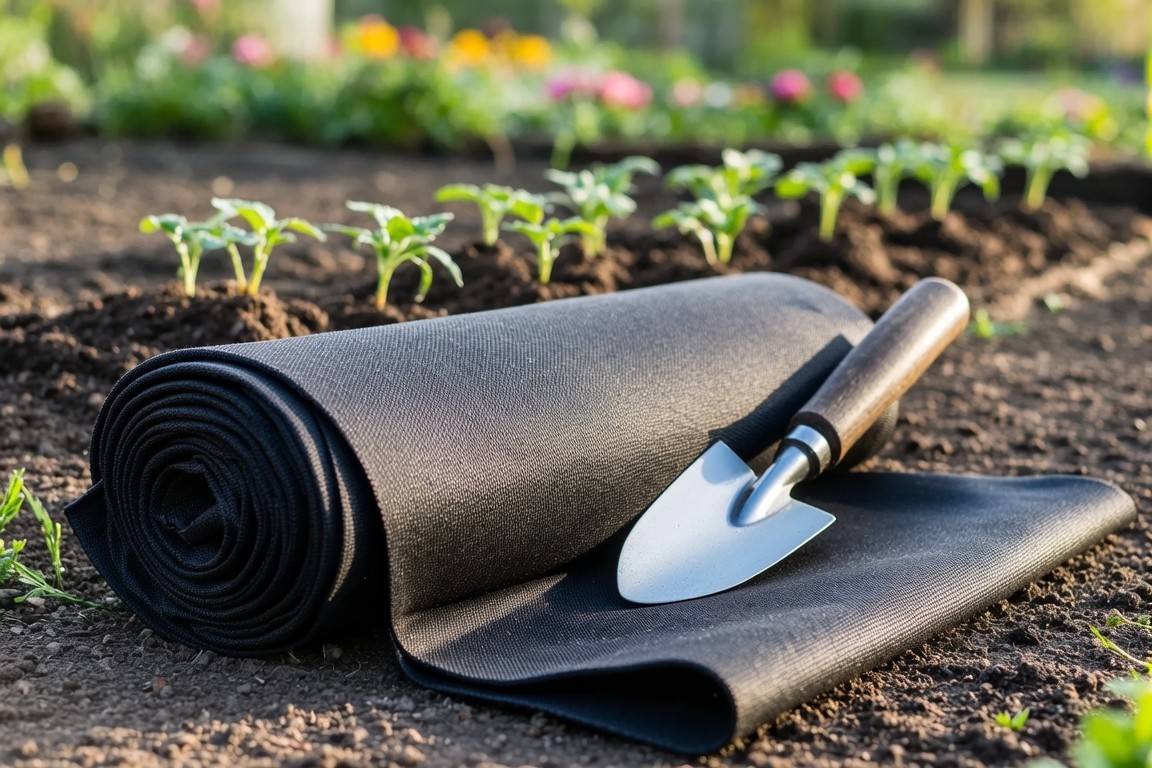
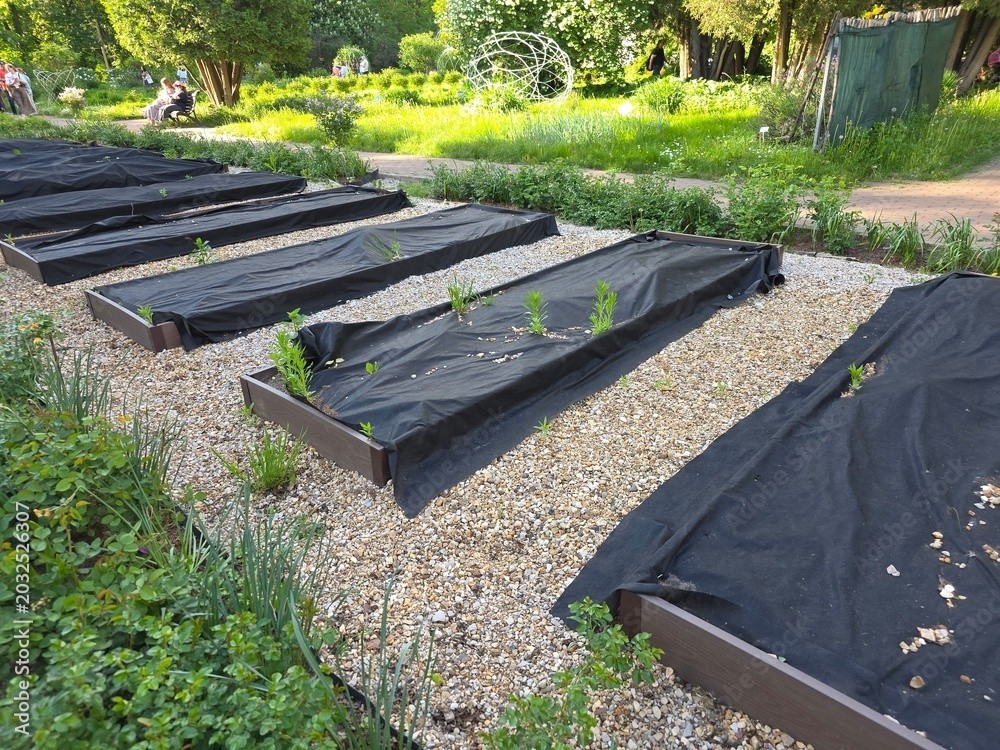
Wondering what landscaping fabric is made of and how it works? Beaver Creek explains fabric types, uses, and installation tips for Wisconsin yards.
September 17, 2026
Is landscaping fabric water permeable? Learn how it works in garden beds, when to use it, and tips from Beaver Creek Nursery & Landscaping in Marshfie...