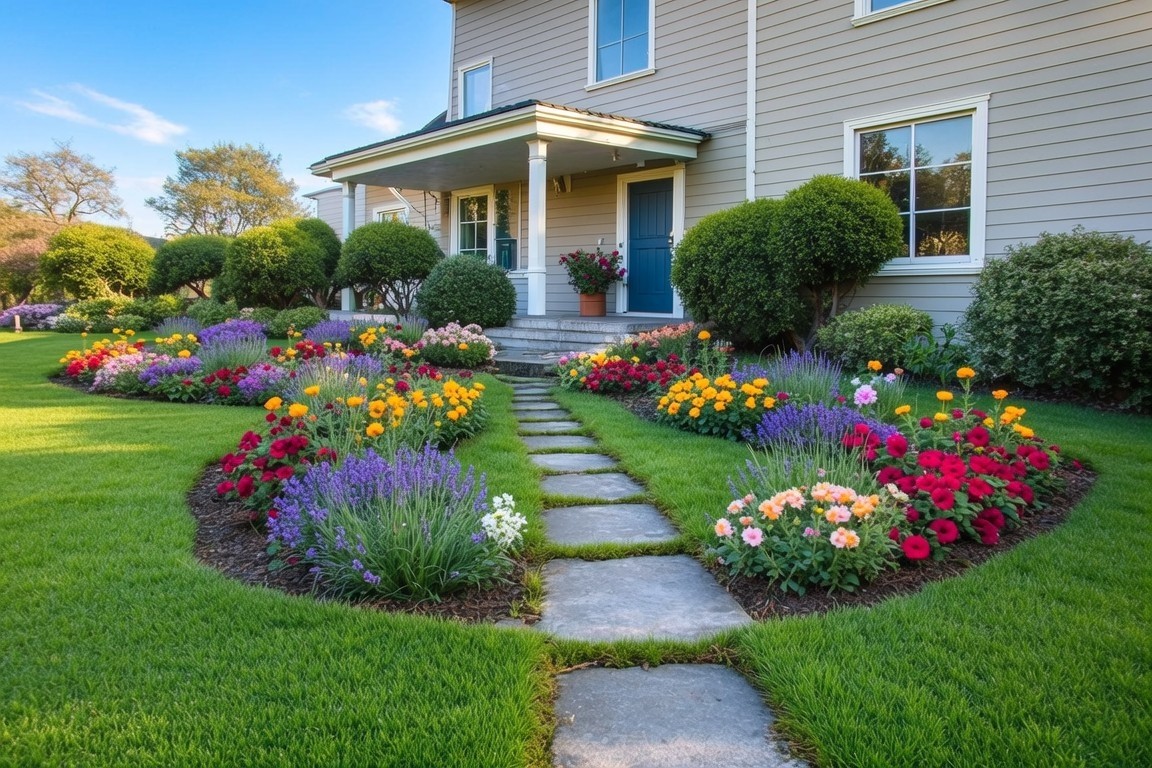
October 3, 2026
Common Outdoor Project Costs: How Much Does Landscaping Cost?
Wondering how much landscaping costs in Central and Northern Wisconsin? Explore the factors that shape pricing for common outdoor projects near Marshf...
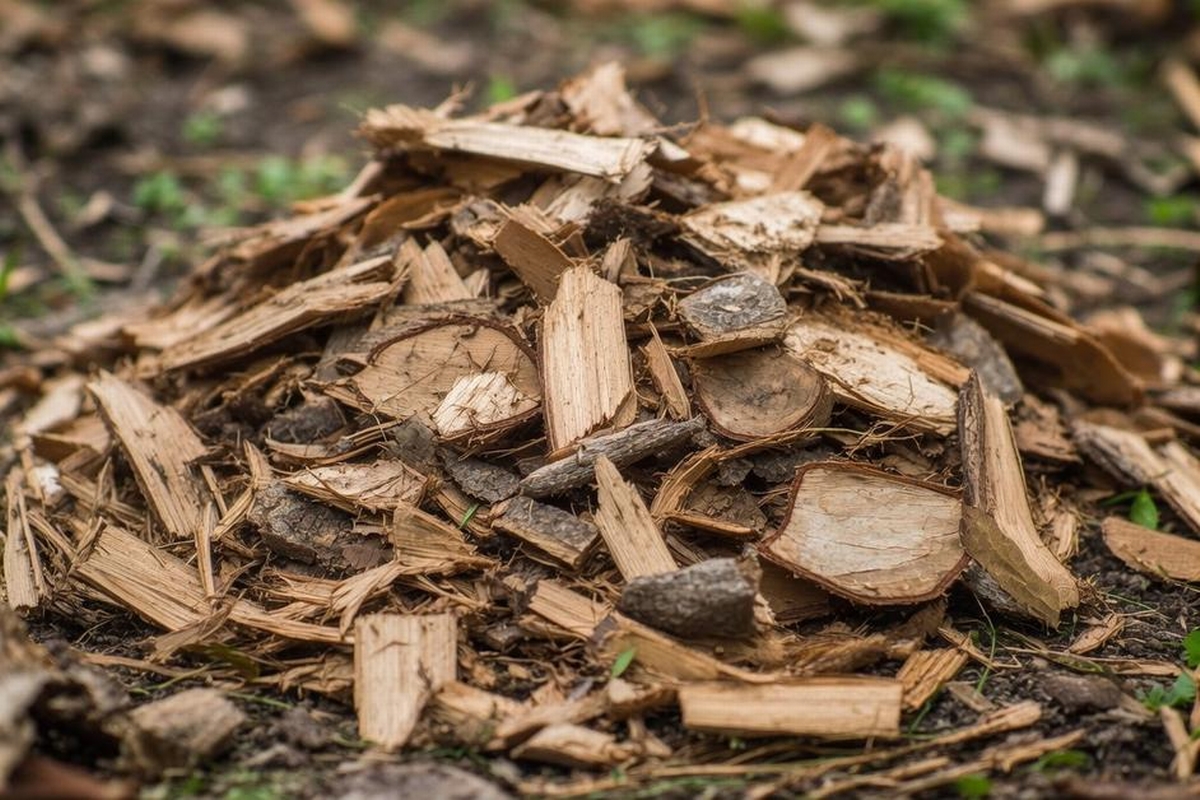
When a tree is removed from your property, a common question arises: what to do with wood chips after tree removal? It's a practical consideration with a multitude of environmentally friendly and cost-effective solutions. For residents and businesses in Marshfield, WI, this is an opportunity to reshape landscape aesthetics and functionality while reducing waste. Landscaping contractors in Marshfield, WI, see tree services as a starting point for new landscape possibilities, not just the end of a task. This post will explore diverse applications for wood chips that enhance outdoor spaces, utilizing what's often considered garden waste.
Before diving into specifics, it's essential to understand the sheer versatility of wood chips. These small yet powerful components of a removed tree are often overlooked. They may range from fine sawdust to larger chunks, depending on the wood and machinery used for chipping. They hold the potential to redefine aspects of gardening, play areas, and pathways, providing a natural resource that is both sustainable and beneficial. So, let's take a closer look at what to do with wood chips after tree removal and how they can contribute to a healthier and more beautiful outdoor environment.
One of the most popular uses for wood chips is as mulch. Mulching helps retain moisture in the soil, suppress weeds, and eventually enrich the soil with organic material as it breaks down. It's cost-effective and easy to implement. Spread a layer of wood chips over your garden beds, being careful not to let the mulch touch the bases of plants or trees to prevent rot.
Moreover, wood chips act as natural insulators, stabilizing soil temperature by keeping it cool in the summer and warm in the winter. This helps plants conserve energy, leading to a healthier garden. When considering what to do with wood chips after tree removal, mulching should undoubtedly top the list for its multitude of benefits to both plants and soil.
For a more aesthetically pleasing landscape, wood chips can be used to create natural walkways and paths. Unlike concrete or stone, wood chips blend into the natural setting of your yard, providing a rustic charm. They create a soft, cushioned surface that is pleasant to walk on, ideal for homes with children or pets. Implementing pathways using wood chips also incurs fewer costs than other traditional materials, making them an affordable choice.
To build such pathways, you need a base of compacted soil. Then, lay down landscape fabric to prevent weeds from growing through. Finally, cover this with a generous layer of wood chips. This approach not only defines the walking areas in your garden but also gives it a neat and organized appearance. This is another dynamic solution when pondering what to do with wood chips after tree removal.
Compost piles thrive when carbon-rich materials like wood chips are added to the mix. As wood chips have a relatively slow decomposition rate, they extend the lifespan of your compost pile by slowly releasing nutrients. This is particularly advantageous during seasons when green, nitrogen-rich materials are abundant and excess carbon is needed. Incorporate the wood chips by mixing them with the compost, ensuring an even distribution for optimal decomposition.
The addition of wood chips to compost will improve the overall structure and aeration, facilitating a thriving environment for beneficial microbes. Their porous nature assists in balancing moisture levels, enhancing the quality of the compost produced. So as you consider opportunities to use wood chips, integrating them into composting processes is highly recommended.
Wood chips provide a softer surface that's excellent for children's play areas. They reduce the risk of injury by providing a cushioned landing zone. For a play area, you should consider a deep layer of wood chips, regularly maintained to remain at the optimal cushioning thickness.
Moreover, wood chips play an important role in erosion control. By protecting the soil from heavy rainfall and wind, they help maintain the integrity of slopes and embankments. Rich in both protectiveness and aesthetic appeal, wood chips are effective in stabilizing the terrain and curbing soil erosion - a versatile tool for landscapes in Marshfield, WI, particularly where residential and commercial landscaping blends with natural surroundings.
Recently, many communities have started recognizing the added ecological value wood chips present. They serve as natural habitat builds for insects and beneficial fungi, contributing to biodiversity in your garden. These decomposers promote a healthy ecosystem, indirectly promoting plants' growth by naturally recycling organic material into nutrients.
Wood chips from tree removal can positively impact local wildlife and plant health. By using them, you actively participate in creating an environmentally conscious garden that supports ecosystem sustainability, answering the call of many Marshfield residents looking to minimize their ecological footprint.
For those needing professional advice on landscaping, lawn care and maintenance, tree removal and stump grinding, land clearing, snow and ice removal, soft wash, and power washing in Marshfield, WI, Beaver Creek Nursery & Landscaping LLC provides expert guidance. They offer tree removal services and can advise on the best practices for repurposing wood chips to suit individual needs. Whether you are looking for elegant garden pathways or enriching your compost, the seasoned professionals at Beaver Creek will ensure that your outdoor environment reaches its full potential.
To reap these benefits and transform your landscape using wood chips after tree removal, consider reaching out to Beaver Creek Nursery & Landscaping LLC. Their comprehensive services and local expertise make them the ideal partner for harnessing nature's resources to their fullest. Embrace these sustainable practices and turn post-tree removal materials into valuable assets for your home and garden. Contact Beaver Creek Nursery & Landscaping LLC.
October 3, 2026
October 1, 2026
Permit requirements for tree removal vary based on your location and the size of the tree. We can help determine if a permit is necessary and guide you through the process to ensure compliance with local regulations.
If your lawn has bare patches, thinning grass, or persistent weeds, it may be time for new lawn installation or repair. Our team will assess your soil and recommend the best grass type for your property.
The duration depends on the method used. Sod installation provides an instant green lawn and is typically ready for use in a few weeks, while seeding takes longer but is a cost-effective option.
The cost to cut down a tree varies based on factors like its size, location, and condition. Larger trees or those near structures typically require more labor and specialized equipment, increasing the cost of cutting it down.
The cost to grind a stump is influenced by the stump's size, root depth, and accessibility. On average, stump grinding ranges from $100 to $500 per stump, with larger or more deeply rooted stumps potentially requiring a higher cost.
Tree removal costs vary based on factors like the tree's height, diameter, location, and overall condition. Tree removal estimates typically range from $300 to $2,500, with more complex jobs—such as those near power lines or buildings—requiring additional labor and safety measures.
October 3, 2026
Wondering how much landscaping costs in Central and Northern Wisconsin? Explore the factors that shape pricing for common outdoor projects near Marshf...
October 1, 2026
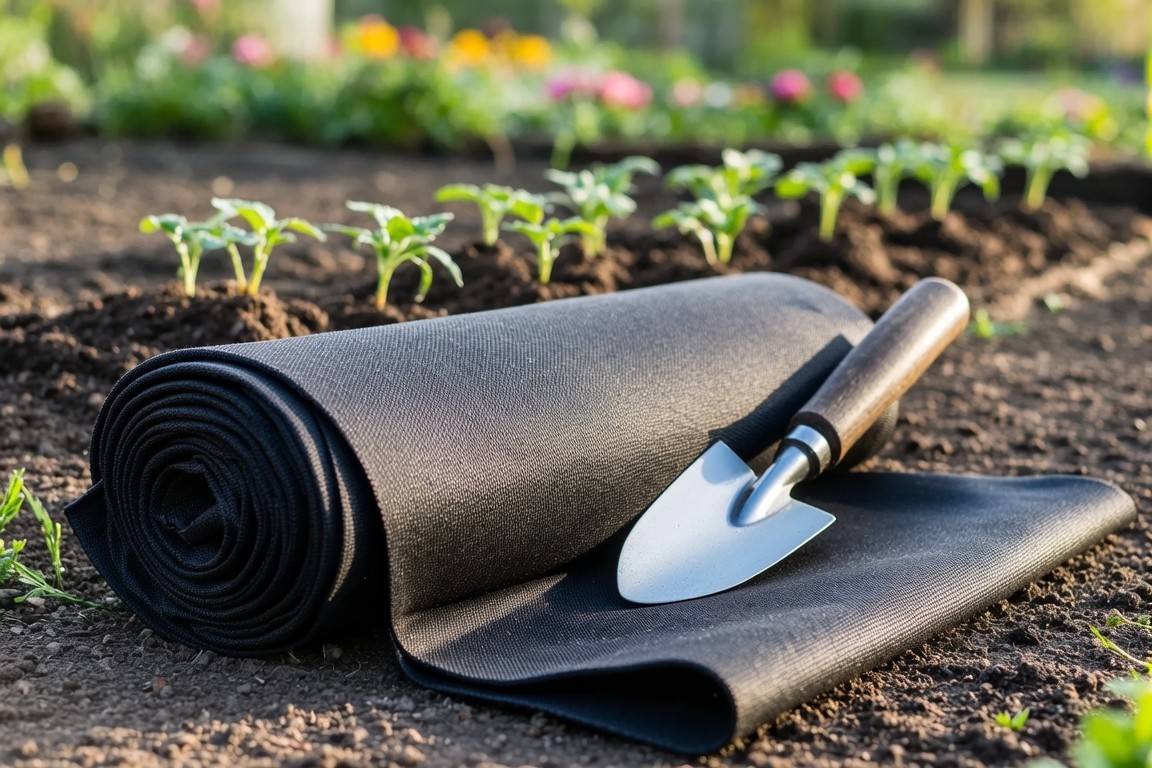
Wondering what landscaping fabric is made of and how it works? Beaver Creek explains fabric types, uses, and installation tips for Wisconsin yards.
September 17, 2026
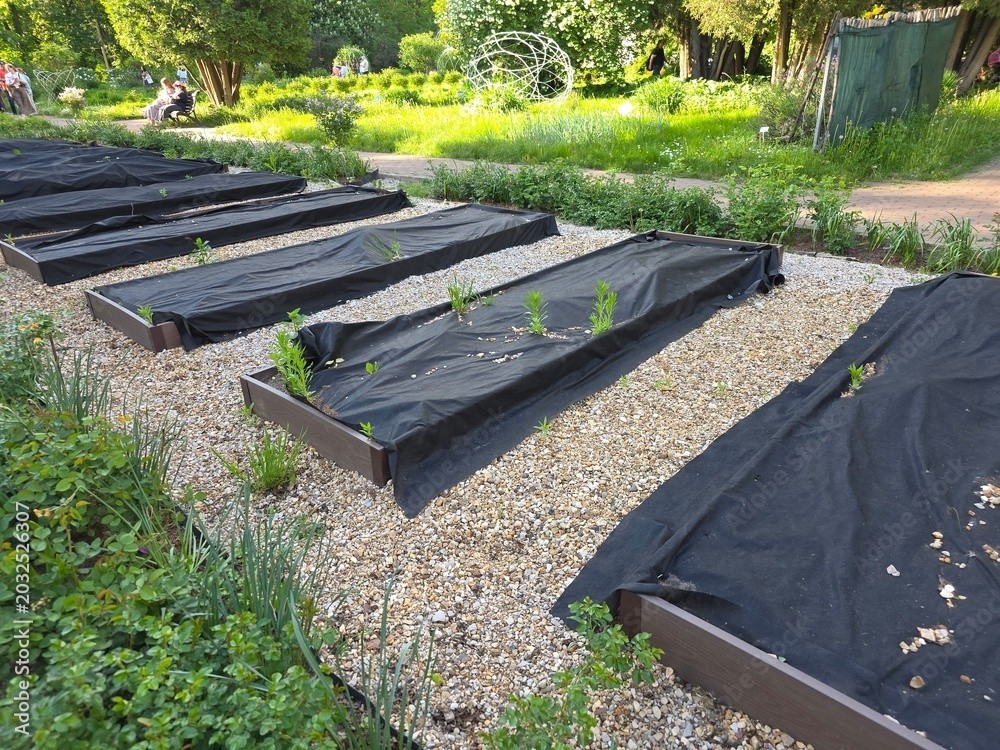
Is landscaping fabric water permeable? Learn how it works in garden beds, when to use it, and tips from Beaver Creek Nursery & Landscaping in Marshfie...