November 15, 2026
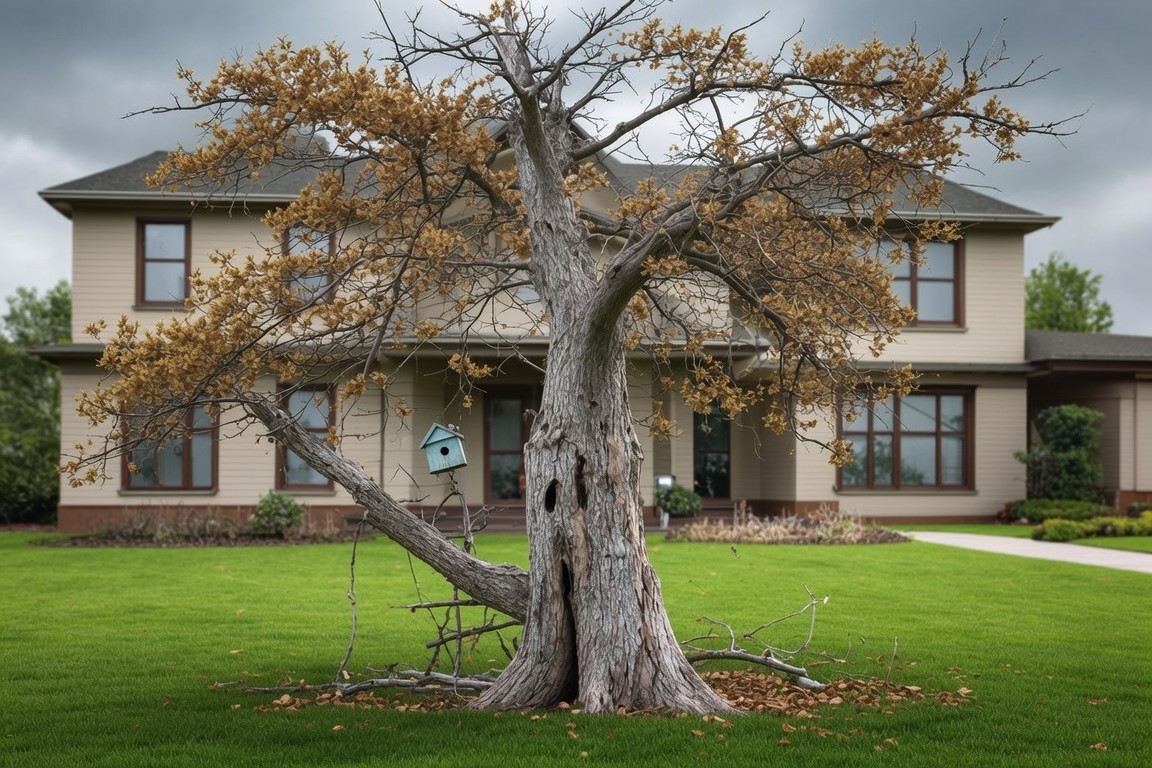
Can You Save a Struggling Tree? How to Revive a Dying Tree
Wondering how to revive a dying tree? Learn the warning signs, causes, and proven steps to help your trees recover from the Beaver Creek team in Marsh...
Few sights signal the arrival of spring in Wisconsin quite like a lilac tree heavy with fragrant purple blooms. Their sweet scent drifts across yards for weeks, drawing bees, butterflies, and plenty of admiring neighbors. Yet many homeowners are surprised when their lilac produces fewer flowers each year, or none at all. Understanding how to care for a lilac tree is the difference between a sparse shrub and a showstopping focal point that returns stronger every season. As a landscaping company in Marshfield, WI, we see how much proper care matters.
At Beaver Creek Nursery & Landscaping, we have helped countless homeowners across Central and Northern Wisconsin coax the best from their lilacs. Whether you planted one last fall or inherited an old specimen with the house, the right care habits make all the difference. And if you would rather leave the work to the pros, our lawn care services in Marshfield, WI cover everything from planting to seasonal maintenance.
Lilacs are one of the best flowering shrubs for our climate, and that is no accident. These plants actually require a cold dormant period to set strong flower buds, which makes Wisconsin winters a feature rather than a drawback. Most common varieties are hardy well into the northern reaches of the state, shrugging off frigid temperatures that would damage less resilient plants.
That said, lilacs do have preferences. They love full sun, meaning at least six hours of direct light each day, and they resent soggy roots. Our region's mix of clay and loam soils can hold moisture, so choosing a well-drained planting site is one of the first secrets to long-term success. Give a lilac the sun and drainage it craves, and it will reward you for decades. Some heritage lilacs across Wisconsin have been blooming for over a century.
Knowing how to care for a lilac tree begins before it ever goes in the ground. The ideal planting time in our area is early spring or fall, when temperatures are mild and the plant can establish roots without the stress of summer heat. Dig a hole roughly twice as wide as the root ball but no deeper, so the top of the roots sits level with the surrounding soil.
Spacing matters more than people expect. Lilacs can grow surprisingly large, and crowding them invites poor air circulation, which encourages disease. Give standard varieties plenty of room to spread. After planting, water thoroughly and add a two to three inch layer of mulch around the base, keeping it a few inches away from the trunk to prevent rot. If you are refreshing a larger area of your yard at the same time, browsing our residential landscaping projects can spark ideas for pairing lilacs with complementary plantings.
Established lilacs are fairly drought tolerant, but young plants need consistent moisture during their first couple of growing seasons. Aim for deep, infrequent watering rather than frequent shallow sprinkling, which encourages shallow roots. During a dry Wisconsin summer, a thorough soaking once a week is usually plenty for a maturing lilac.
One quirk worth knowing is that lilacs prefer slightly alkaline soil, while much of our native ground leans acidic. If your lilac looks healthy but refuses to bloom well, a soil test can reveal whether the pH needs adjusting with a bit of lime. As for fertilizer, go easy. Too much nitrogen produces lush green leaves at the expense of flowers. A balanced, low-nitrogen feeding in early spring is all most lilacs need. This restraint is a quiet but important part of how to care for a lilac tree that actually blooms.
If there is one single factor behind disappointing lilac blooms, it is improper pruning. Lilacs set next year's flower buds shortly after they finish blooming in late spring. That means timing is everything. Prune at the wrong moment and you cut off the very buds that would have become next year's flowers.
The golden rule is to prune immediately after the blooms fade, typically late May or June in our region. This gives the plant the entire summer to develop fresh buds for the following spring. When you prune, focus on three goals:
For older lilacs that have become leggy and sparse, this gradual renewal pruning over three years can completely restore their vigor. It takes patience, but the payoff is a fuller, more floriferous plant. If a specimen has grown far too large or a nearby tree is shading it out, our team can help assess the situation, and in some cases our tree removal and stump grinding services in Marshfield, WI clear the way for better sun exposure.
Lilacs are tough, but they are not immune to trouble. Powdery mildew is the most common complaint in Wisconsin, showing up as a whitish coating on leaves in late summer. While it looks alarming, it rarely harms the plant and is largely cosmetic. Good air circulation from proper spacing and pruning is the best prevention, and avoiding overhead watering helps too.
Another frequent question we hear is why a mature lilac suddenly stops blooming. The usual culprits are too much shade from surrounding growth, over-fertilizing, or that mistimed pruning we mentioned earlier. Occasionally a lilac simply needs the rejuvenation pruning to break out of an unproductive cycle. Scale insects and lilac borers can appear as well, but a healthy, well-maintained plant resists pests far better than a stressed one. That is why consistent care throughout the year, including the broader health of your surrounding beds and turf, pays off. Many homeowners find that professional lawn care and maintenance in Marshfield, WI keeps their entire landscape, lilacs included, in top condition.
Caring for a lilac is really about matching your efforts to the plant's natural cycle. In early spring, offer a light balanced feeding and a fresh layer of mulch. Through late spring, enjoy the blooms, then prune promptly once they fade. Summer calls for occasional deep watering during dry stretches and a watchful eye for mildew. As fall arrives, resist the urge to prune again, since you would remove next year's buds, and simply let the plant harden off for winter. Come the cold months, your lilac takes care of itself, using that dormancy to prepare the next round of flowers.
Mastering how to care for a lilac tree does not require a green thumb so much as good timing and a little restraint. Plant it in sun with good drainage, water deeply but not too often, feed lightly, and prune right after blooming. Follow that rhythm and your lilac will reward you with waves of fragrant color every spring.
If you would like a hand getting your lilac or your whole yard looking its best across Marshfield and the surrounding communities, the team at Beaver Creek Nursery & Landscaping is here to help. Reach out for a free quote or take a look at our landscaping project gallery to see what a thoughtfully planned landscape can look like. A little expert care now means a more beautiful spring ahead.
November 15, 2026

November 3, 2026
Permit requirements for tree removal vary based on your location and the size of the tree. We can help determine if a permit is necessary and guide you through the process to ensure compliance with local regulations.
If your lawn has bare patches, thinning grass, or persistent weeds, it may be time for new lawn installation or repair. Our team will assess your soil and recommend the best grass type for your property.
The duration depends on the method used. Sod installation provides an instant green lawn and is typically ready for use in a few weeks, while seeding takes longer but is a cost-effective option.
The cost to cut down a tree varies based on factors like its size, location, and condition. Larger trees or those near structures typically require more labor and specialized equipment, increasing the cost of cutting it down.
The cost to grind a stump is influenced by the stump's size, root depth, and accessibility. On average, stump grinding ranges from $100 to $500 per stump, with larger or more deeply rooted stumps potentially requiring a higher cost.
Tree removal costs vary based on factors like the tree's height, diameter, location, and overall condition. Tree removal estimates typically range from $300 to $2,500, with more complex jobs—such as those near power lines or buildings—requiring additional labor and safety measures.
November 15, 2026
Wondering how to revive a dying tree? Learn the warning signs, causes, and proven steps to help your trees recover from the Beaver Creek team in Marsh...

November 3, 2026
Wondering if landscaping is covered by homeowners insurance after a Wisconsin storm? Learn what policies cover, exclusions, and how to restore your ya...