
June 15, 2026
What Is Landscape Maintenance and Why It Matters for Your Property
Every homeowner dreams of a picturesque outdoor space that not only enhances the aesthetics of their property but also boosts its value and functional...
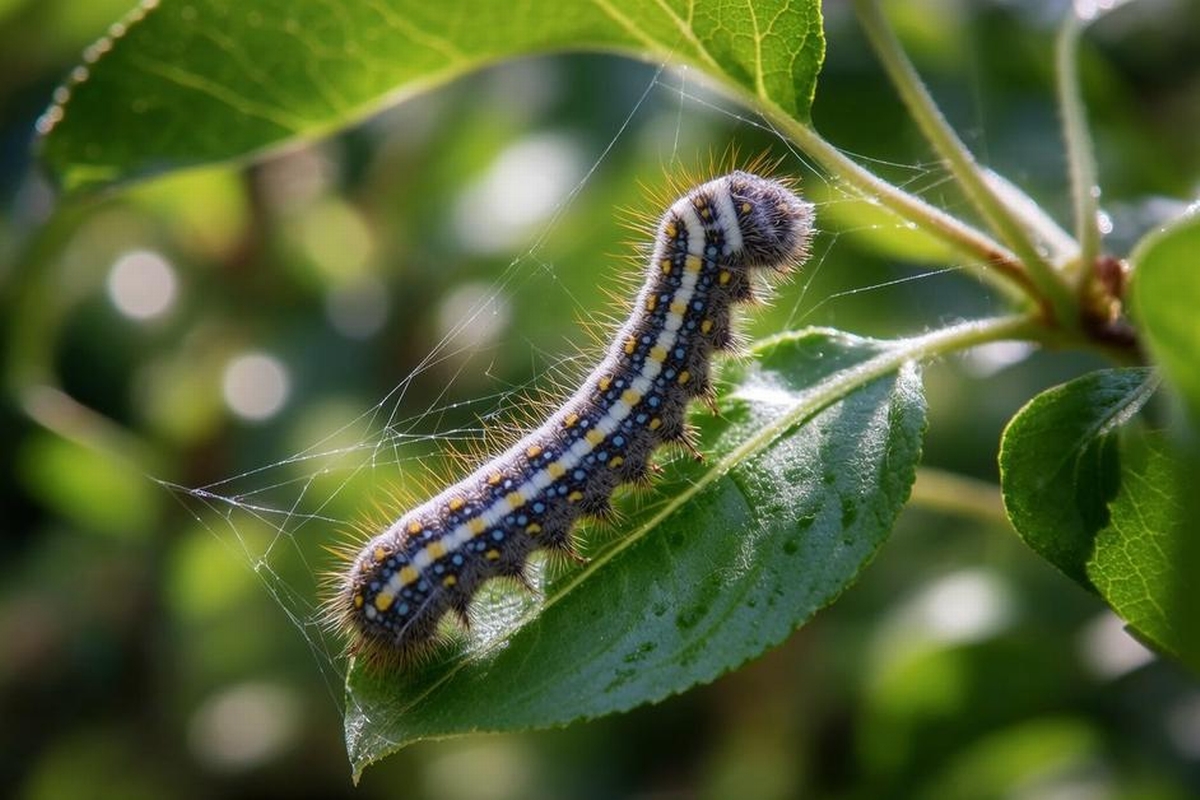
Springtime in Marshfield, WI, is a season filled with rejuvenation and growth, but it's also a time when certain pests come to life. One of the most noticeable nuisances during this time is the tent caterpillar. These insects are often visible in clusters, weaving webs in the branches of trees and creating an unsightly mess. As a homeowner, you might find yourself wondering: are tent caterpillars harmful to trees? And if so, how does this affect your lawn? The answers to these questions can help guide your approach to gardening and care for your outdoor space. For those seeking expertise in maintaining the vitality of their gardens, lawn care and landscaping contractors in Marshfield can provide valuable guidance.
To tackle the issue of tent caterpillars, it's crucial to understand what they are and what they do. Tent caterpillars are the larvae of moths in the Lasiocampidae family, particularly the genus Malacosoma. These caterpillars are known for their tendency to create silken tents in the branches of deciduous trees. Often referred to as "social caterpillars," they live together in these tents, venturing out to feed on foliage during the day.
Located primarily in North America, tent caterpillars have a significant impact on the landscape. They are not typically harmful to ornamental plants, but their preference for specific trees such as cherries and willows can cause considerable defoliation. As these caterpillars feast, they can quickly strip a tree of leaves, which leads to stress and inhibits growth. This defoliation is generally more of a cosmetic issue, yet when left unmanaged, it can compromise the health of the infested trees.
The relationship between tent caterpillars and trees is a topic of constant debate among arborists and garden enthusiasts. While a single season of infestation is unlikely to kill a mature tree, repeated defoliation can weaken it over time. Older or stressed trees may be unable to recover from the sustained damage, leading to potential decline or death. Thus, when asking, are tent caterpillars harmful to trees, the answer is nuanced. While not directly fatal, they can undoubtedly be detrimental in certain circumstances.
Interestingly enough, most trees have an incredible capacity to bounce back after an assault from these pests. Healthy trees usually produce another batch of leaves during the same growing season, effectively covering the bare branches. The real danger lies in the cumulative stress from frequent infestations, drought, or disease, which can make trees more vulnerable. Therefore, if you observe tent caterpillars in your garden, consider this as an opportunity to assess the overall health of your tree.
It's easy to overlook the potential impact of tent caterpillars on your lawn amidst the chaos they create in your trees. While they primarily feed on trees, the resulting damage can indirectly affect your lawn. Fallen leaves and debris from defoliated trees can create an unsightly mess on your grass. Moreover, the defoliated trees may lose their shade, exposing your lawn to more sunlight and altering its growth pattern.
Additionally, tent caterpillars often leave behind droppings and bits of chewed leaves, which, if abundant, can cover the grass. While this debris is mostly harmless and provides organic material, it can contribute to an untidy appearance that homeowners often dislike. To minimize these effects, regular lawn maintenance can be crucial, emphasizing the importance of engaging with experts like those available for landscaping, lawn care and maintenance in Marshfield and its surrounding neighborhoods.
Management of tent caterpillar infestations is essential to keep your garden looking its best. Here are some strategies to control these pests:
When faced with persistent challenges, contacting specialized services can be advantageous. These professionals might offer comprehensive solutions, including tree removal and stump grinding in nearby areas.
Keeping a resilient garden requires more than just managing pests like tent caterpillars. It means ensuring that the entire ecosystem of your lawn operates harmoniously. Healthy soil, proper watering techniques, and choosing plant species suited to your climate are all fundamental steps. Nurturing your lawn with regular fertilization and aeration schedules can also ensure robust growth.
When maintaining your garden, consider how the broader landscape fits together. Incorporating native plant species can encourage beneficial insects, reducing the need for chemical interventions. Similarly, composting plant debris instead of disposing of it creates a natural insect deterrent.
In the buzz of managing tent caterpillars and advocating for healthier trees, it's easy to become overwhelmed. However, embracing expertise can unlock the true potential of your outdoor spaces. Incorporating professional insights for snow and ice removal in Marshfield means you're not just prepared for pests, but also the winter elements that can affect your garden.
If you find yourself dealing with recurring infestations or seeking to enhance your garden's resilience, don't hesitate to reach out to Beaver Creek Nursery & Landscaping LLC. With their expertise, your outdoor space can thrive, free from the persistent challenges posed by pests like tent caterpillars. Let them assist you in cultivating a landscape that's both beautiful and robust, ensuring the health and happiness of your greenery in every season. Reach out today to explore how we can support your landscape's needs and transform your garden’s potential.

June 15, 2026
June 3, 2026
Permit requirements for tree removal vary based on your location and the size of the tree. We can help determine if a permit is necessary and guide you through the process to ensure compliance with local regulations.
Yes! Over time, soil can become compacted, making it harder for water, air, and nutrients to reach the roots. Aerating helps loosen the soil and promote healthier, stronger grass. If your lawn sees heavy foot traffic or feels hard to the touch, it's time for aeration.
The best way to tackle weeds is with a combination of proper lawn care and targeted weed control. Keeping your grass thick and healthy through overseeding and fertilization helps crowd out weeds.
If your lawn has bare patches, thinning grass, or persistent weeds, it may be time for new lawn installation or repair. Our team will assess your soil and recommend the best grass type for your property.
A green lawn starts with proper care. Regular mowing, watering, fertilization, and aeration all contribute to a healthier lawn. Our yard clean-up services also help by removing debris and ensuring your grass gets the sunlight and airflow it needs to thrive.
The duration depends on the method used. Sod installation provides an instant green lawn and is typically ready for use in a few weeks, while seeding takes longer but is a cost-effective option.
June 15, 2026
Every homeowner dreams of a picturesque outdoor space that not only enhances the aesthetics of their property but also boosts its value and functional...
June 3, 2026
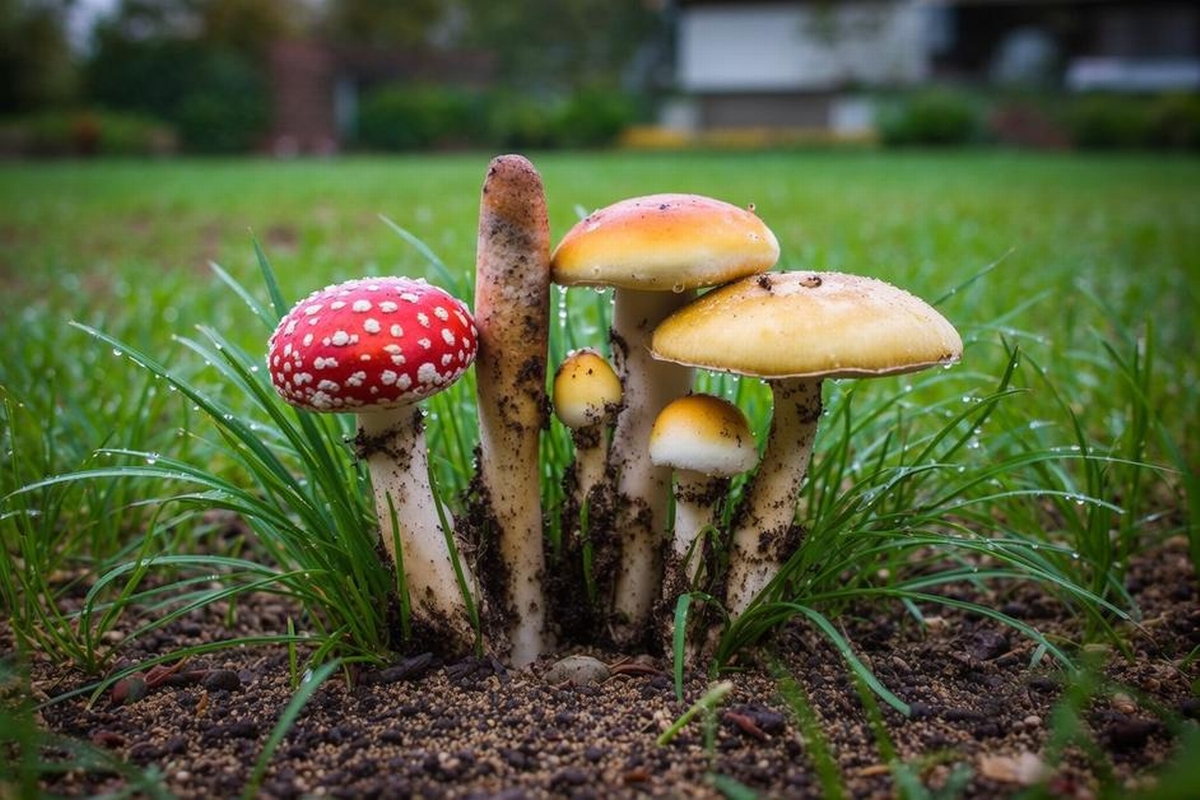
Mushrooms popping up around your yard are more than just an eyesore. They can indicate underlying issues with your soil or yard maintenance practices....