June 15, 2026
What Is Landscape Maintenance and Why It Matters for Your Property
Every homeowner dreams of a picturesque outdoor space that not only enhances the aesthetics of their property but also boosts its value and functional...
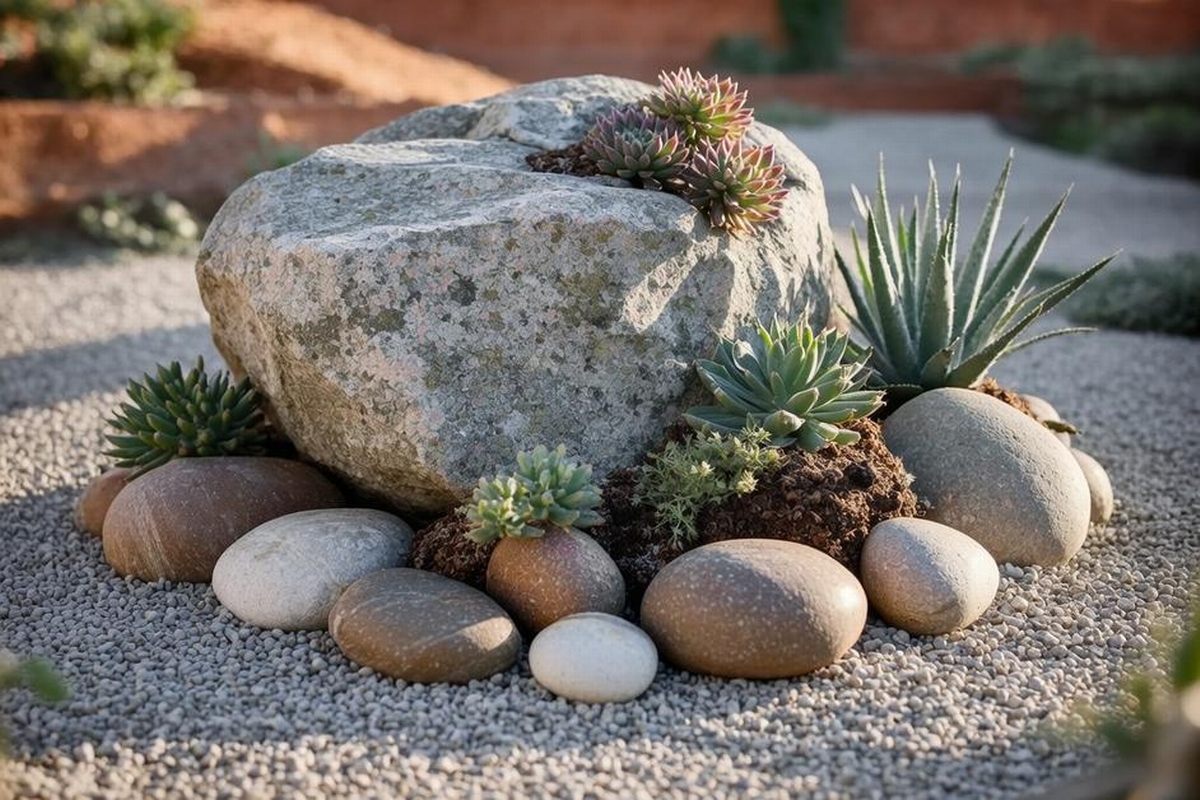
Transforming your outdoor space into a serene and stunning landscape can be a rewarding endeavor. Among the numerous ways to enhance your yard, knowing how to install rocks in landscaping can play a pivotal role in achieving a clean and professional aesthetic. As landscaping contractors in Marshfield, Beaver Creek Nursery & Landscaping LLC are experts at employing rocks to complement various designs and purposes, creating functional and beautiful spaces that resonate with nature's beauty.
In this blog post, we'll guide you through the process of installing rocks in your landscaping project. We will cover essential steps, tips, and considerations to help you make informed decisions. Whether you're aiming to create a tranquil rock garden, design an efficient drainage system, or accentuate features like pathways and flower beds, this guide aims to equip you with the knowledge you need to succeed.
Rocks serve multiple functions in landscaping design, from purely aesthetic purposes to practical applications. The visual appeal is apparent, as rocks can add texture, color, and a sense of permanence to any landscape. Their natural hues can complement plants and structures, providing a harmonious balance that is both soothing and visually stimulating.
Additionally, rocks play a vital role in maintaining the soil structure and helping to prevent erosion. Rocks can stabilize soil, especially on slopes, alleviate the water flow to minimize erosion, and serve as excellent solutions for drainage problems in garden beds and low-lying areas. Moreover, using rocks in landscaping is a low-maintenance option that reduces the need for watering and weeding, allowing for a sustainable approach to garden design.
The first step in how to install rocks in landscaping is choosing the right type of rocks. The selection process depends on the purpose and style you want to achieve. Here are some common options:
Ultimately, the rocks you choose should align with the intended function and the existing style of your landscape.
Before implementing how to install rocks in landscaping, it is crucial to start with a clear plan. Map out your design on paper, outlining where each rock or group of rocks will be placed. Consider the flow of movement through your space, the sun's exposure throughout the day, and any water runoff that may occur.
Furthermore, ensure you have the necessary tools and materials beforehand, such as shovels, wheelbarrows, landscaping fabric, and edging material. Landscaping fabric under rock beds serves to suppress weed growth while maintaining soil integrity, so it's advisable to use it wherever possible.
Installing rocks in landscaping may seem simple, but following a methodical process ensures lasting results. Here's an effective strategy to guide you:
Ensuring stability and achieving aesthetic appeal are paramount in how to install rocks in landscaping. Taking time at each step reaps rewards in durability and beauty.
Once the installation is complete, maintaining your rock landscaping requires minimal effort. Regular upkeep includes removing any debris, checking for displaced rocks, and occasional replenishment of smaller stones. For those designs including plants, ensure the chosen flora is compatible with rock placements and cared for appropriately.
Proper drainage should also be monitored to ensure water flow isn't impeded, especially in areas prone to heavy rain. Out in Marshfield, WI, snow and ice removal from rock paths may be necessary during the winter months to maintain access and avoid accidents.
As you embrace how to install rocks in landscaping, creativity remains your greatest asset. Utilize different shapes, sizes, and colors to make your landscape a unique reflection of your taste and style. For example, landscaped paths can be lined with vibrant flowers or sedum, thriving in the crevices between rocks.
Moreover, rocks can complement existing structures such as patios or decks, providing continuity between the built and natural environments. Incorporating rocks into water features like fountains or ponds enhances their appeal and connects various landscape elements.
At Beaver Creek Nursery & Landscaping LLC, we appreciate the transformative power of well-placed rocks, enhancing both function and visual interest. Combining our expertise in design and installation with your unique vision, we create captivating, sustainable, and enduring landscapes. We also offer other invaluable services like soft wash and power washing in Marshfield and its nearby areas.
For those seeking personalized guidance or professional installation of landscaping rocks and other elements, our team is ready to assist. Whether you're starting from scratch or enhancing an existing design, let us show you how our comprehensive landscaping solutions make your dreams a reality. Reach out to us today, and explore the possibilities for your outdoor space.

June 17, 2026

June 15, 2026
Permit requirements for tree removal vary based on your location and the size of the tree. We can help determine if a permit is necessary and guide you through the process to ensure compliance with local regulations.
If your lawn has bare patches, thinning grass, or persistent weeds, it may be time for new lawn installation or repair. Our team will assess your soil and recommend the best grass type for your property.
The duration depends on the method used. Sod installation provides an instant green lawn and is typically ready for use in a few weeks, while seeding takes longer but is a cost-effective option.
Typically, we recommend weekly or biweekly services for mowing, pruning and trimming, and general upkeep. Seasonal maintenance, such as aeration, fertilizing, and leaf cleanup, is also essential to keep your yard looking its best year-round.
The best time to plant trees and shrubs is usually in early spring or fall when temperatures are mild, and roots have time to establish before extreme weather conditions. We can help you select and plant the right greenery for your yard.
June 15, 2026
Every homeowner dreams of a picturesque outdoor space that not only enhances the aesthetics of their property but also boosts its value and functional...
April 3, 2026
You've just spent a weekend revamping your landscape, and now you're looking to add a splash of color that will thrive under the sun's bri...