June 17, 2026
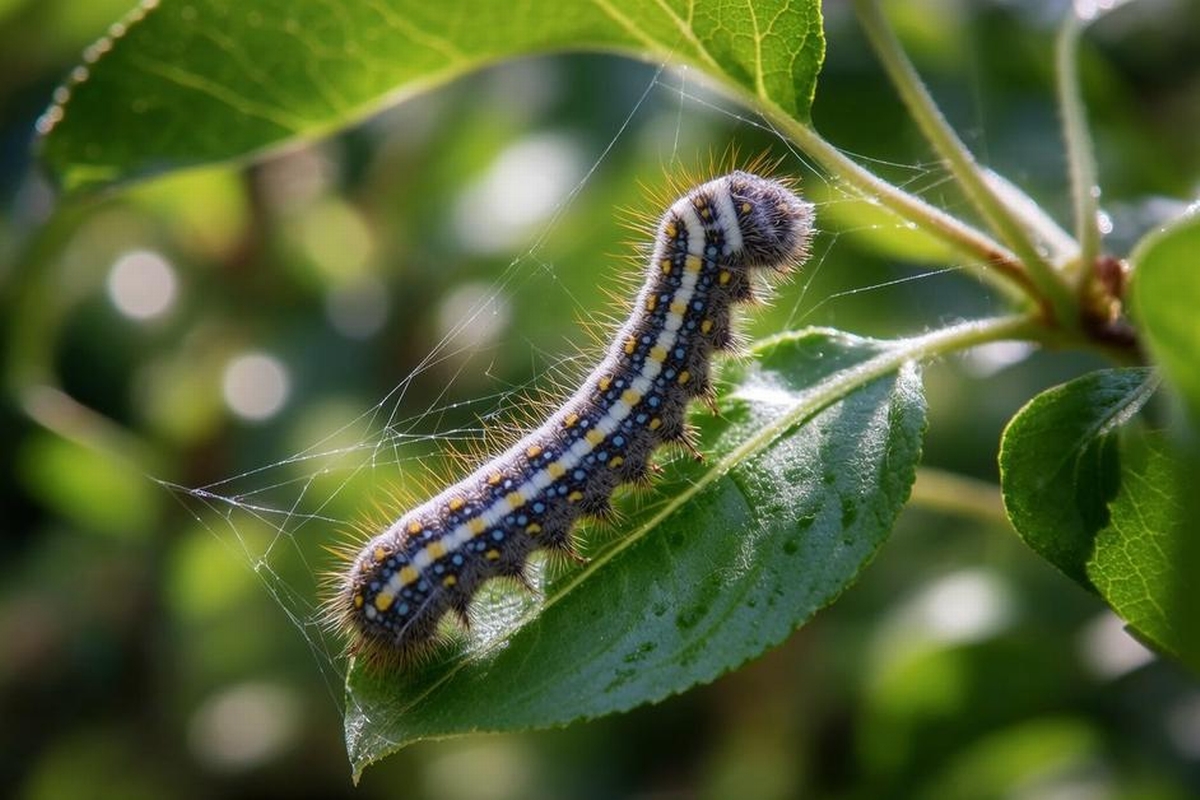
What is a Tent Caterpillar and Is It Harmful to Your Lawn
Springtime in Marshfield, WI, is a season filled with rejuvenation and growth, but it's also a time when certain pests come to life. One of the mo...
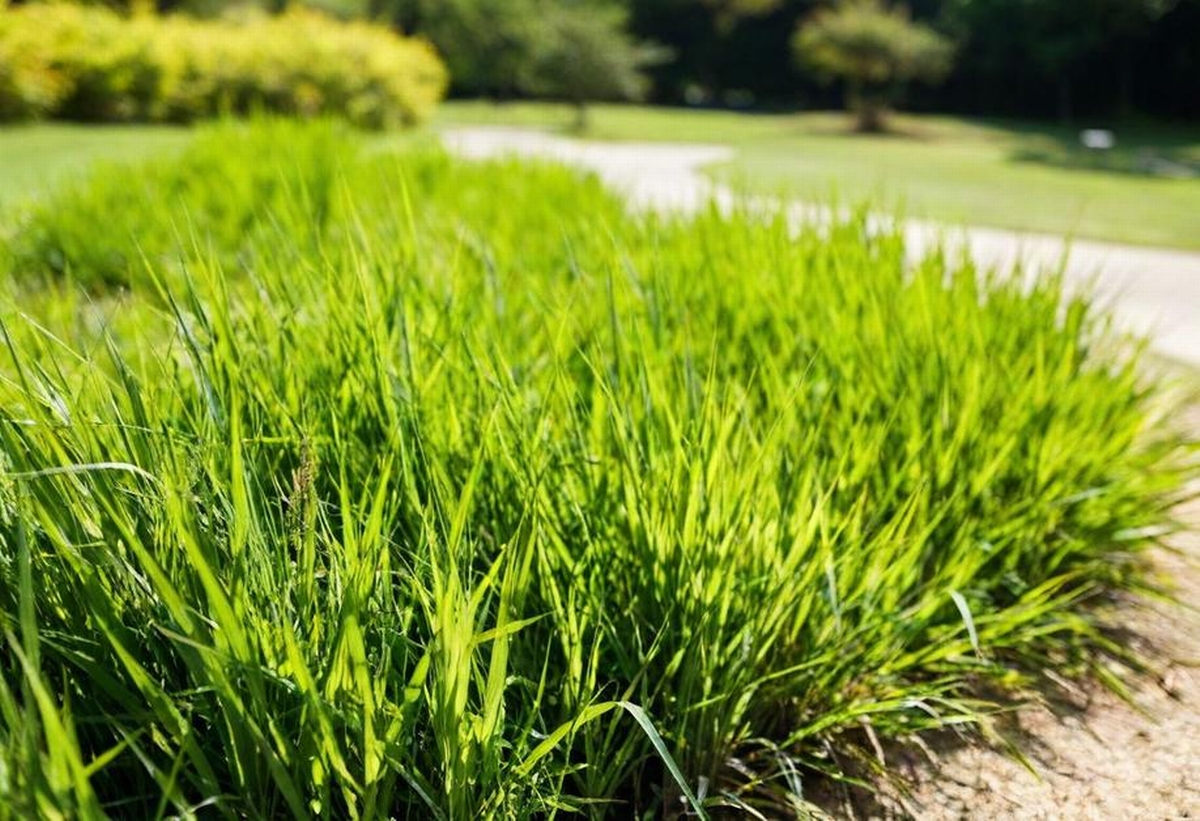
A beautiful, vibrant lawn is the pride of any homeowner. Whether you're hosting summer barbecues or enjoying a peaceful morning coffee, a lush lawn enhances the experience. However, achieving and maintaining that perfect grass takes a bit of know-how. Understanding how to maintain grass helps to ensure your lawn remains healthy and attractive in every season. At Beaver Creek Nursery & Landscaping LLC, your trusted lawn care and landscaping contractors in Marshfield, we're committed to offering you expert tips that make a difference.
In this comprehensive guide, we'll explore various strategies for year-round lawn care, including watering, mowing, fertilizing, and pest control. By understanding the lifecycle of your grass and how seasonal changes impact it, you can develop a tailored care routine. We'll also touch on common mistakes and how to avoid them, guaranteeing a lawn that remains the envy of your neighborhood.
The first step in mastering maintenance is to identify the type of grass you have. Different grass species have unique growth habits, temperature tolerances, and nutrient needs. Some popular types in Marshfield include Kentucky Bluegrass, Tall Fescue, and Perennial Ryegrass. Each thrives under slightly different conditions, so knowing your variety can significantly enhance your care routine.
Kentucky Bluegrass is known for its rich color and dense turf. It flourishes in cool climates, making it a favorite in northern regions. This variety requires regular watering and a bit more attention during the hottest months as it's prone to drought stress.
Tall Fescue features a coarse texture and performs well in diverse conditions, provided it is adequately watered. It’s more tolerant of heat than Kentucky Bluegrass, making it a versatile choice for varying environmental conditions.
Perennial Ryegrass is valued for its rapid germination and fine texture. It’s ideal for overseeding as it grows quickly. This type requires regular mowing due to its fast growth rate and is slightly less tolerant to heat, needing frequent watering during dry spells.
Water management is crucial in learning how to maintain grass effectively. It’s a balance of ensuring your lawn receives enough moisture while avoiding overwatering, which can lead to shallow root systems and disease. Pay attention to the weather and adjust your watering schedule accordingly.
Incorporating a rain gauge in your lawn care tools can help measure how much water your lawn receives from precipitation, adjusting your irrigation schedule as needed.
Mowing is not just a chore; it's a crucial practice in lawn maintenance. Proper mowing practices contribute significantly to the health of your grass. Here are some key points to keep in mind:
Feeding your lawn ensures it has the essential nutrients needed for growth. The key is balanced fertilization:
A lush lawn can be threatened by pests and weeds. An integrated pest management (IPM) approach helps combat these issues effectively.
Each season presents unique challenges and opportunities for your lawn. Understanding how to maintain grass throughout the year involves adapting your tasks to match seasonal changes.
Spring is the time for renovation and recovery. Aerate compacted lawns to improve airflow and nutrient penetration. Start your fertilization program at this time, and keep an eye out for early weeds.
In summer, focus on water management and adjusting mowing height to help the grass withstand heat stress. Consider implementing mulch mowing, which helps retain moisture.
Fall is an ideal time for aerating and overseeding, enhancing lawn resilience. Fertilize as the weather cools, providing the nutrients needed for root growth during the winter dormancy period.
Preparation in the fall ensures winter success. Keep your lawn clean of debris to prevent disease, and maintain a moderate mowing height going into winter to mitigate weather damage.
While DIY lawn care can be rewarding, enlisting the help of professionals is a smart move for many homeowners. Expert landscaping, lawn care and maintenance in Marshfield can address unique lawn challenges with specialized knowledge and equipment. This partnership can simultaneously enhance lawn health and free up your time for enjoyment rather than toil.
When your lawn needs an extra burst of care or a thorough overhaul, reaching out for professional services is the right step. Engage in comprehensive land clearing, tree removal, and even soft wash and power washing for enhanced property aesthetics. Get in touch with Beaver Creek Nursery & Landscaping LLC for all your landscaping needs. Our expertise ensures you can enjoy a thriving, picturesque lawn year-round. Embark on your journey to lawn excellence with us and explore new opportunities for your landscape's potential.
June 17, 2026

June 15, 2026
Permit requirements for tree removal vary based on your location and the size of the tree. We can help determine if a permit is necessary and guide you through the process to ensure compliance with local regulations.
Yes! Over time, soil can become compacted, making it harder for water, air, and nutrients to reach the roots. Aerating helps loosen the soil and promote healthier, stronger grass. If your lawn sees heavy foot traffic or feels hard to the touch, it's time for aeration.
The best way to tackle weeds is with a combination of proper lawn care and targeted weed control. Keeping your grass thick and healthy through overseeding and fertilization helps crowd out weeds.
If your lawn has bare patches, thinning grass, or persistent weeds, it may be time for new lawn installation or repair. Our team will assess your soil and recommend the best grass type for your property.
A green lawn starts with proper care. Regular mowing, watering, fertilization, and aeration all contribute to a healthier lawn. Our yard clean-up services also help by removing debris and ensuring your grass gets the sunlight and airflow it needs to thrive.
The duration depends on the method used. Sod installation provides an instant green lawn and is typically ready for use in a few weeks, while seeding takes longer but is a cost-effective option.
June 17, 2026
Springtime in Marshfield, WI, is a season filled with rejuvenation and growth, but it's also a time when certain pests come to life. One of the mo...

June 15, 2026
Every homeowner dreams of a picturesque outdoor space that not only enhances the aesthetics of their property but also boosts its value and functional...
June 3, 2026
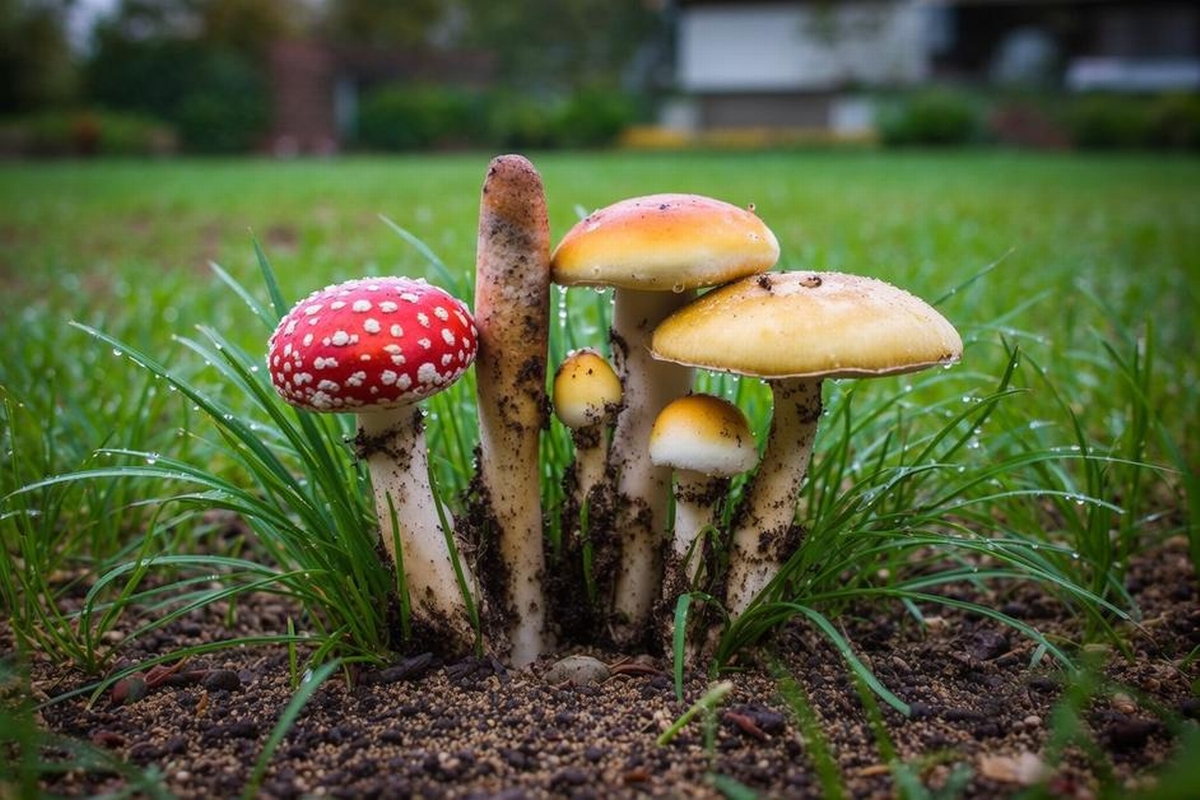
Mushrooms popping up around your yard are more than just an eyesore. They can indicate underlying issues with your soil or yard maintenance practices....