June 17, 2026
What is a Tent Caterpillar and Is It Harmful to Your Lawn
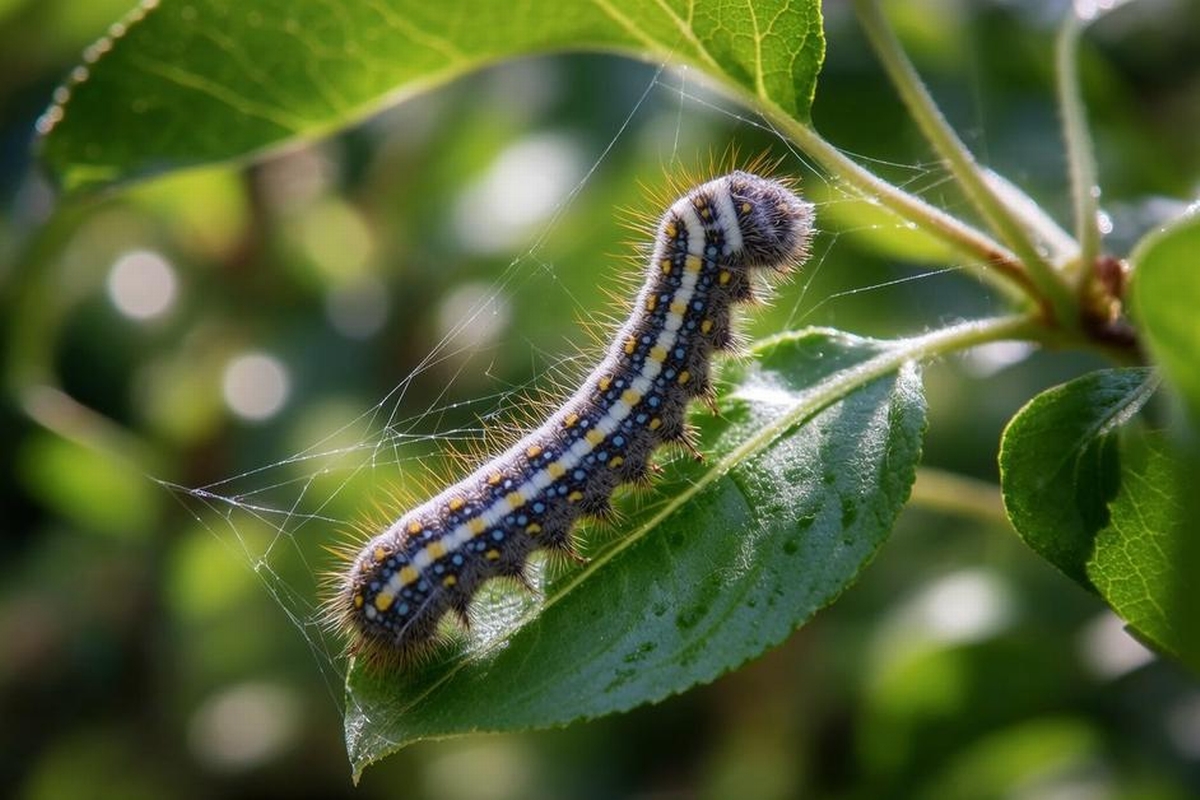
Springtime in Marshfield, WI, is a season filled with rejuvenation and growth, but it's also a time when certain pests come to life. One of the mo...
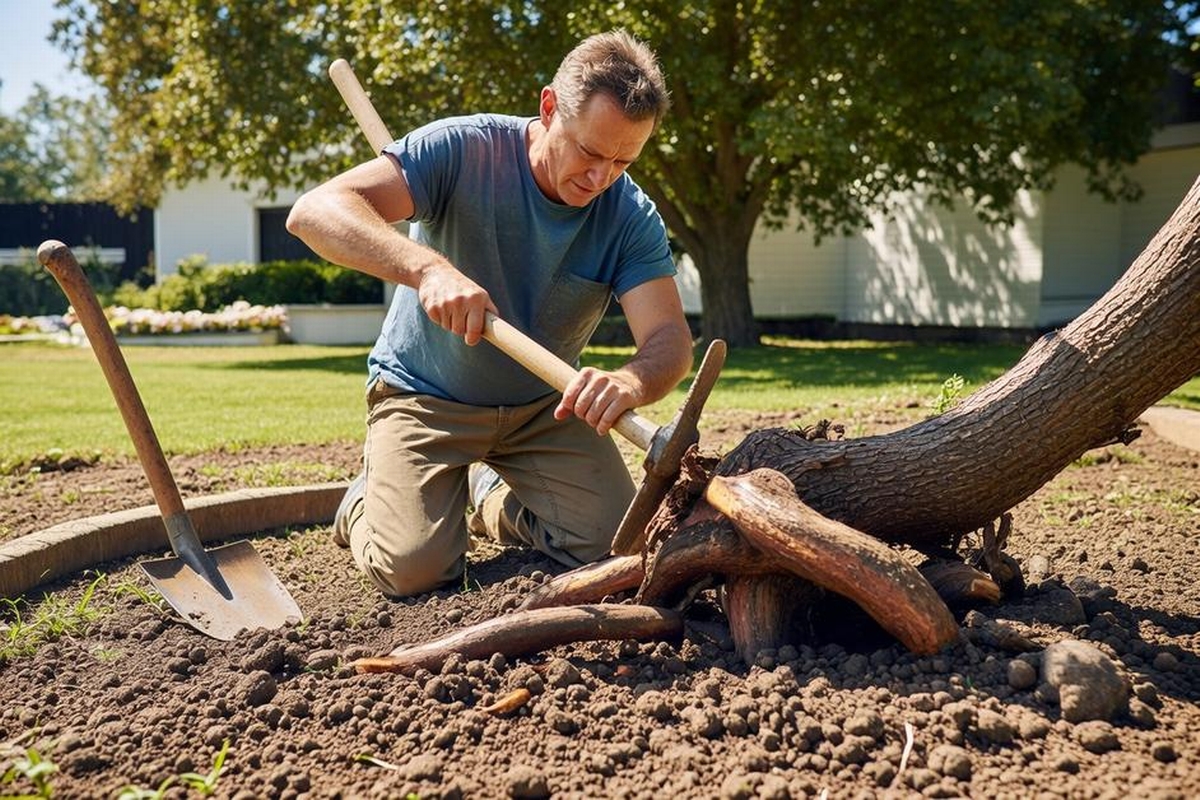
A well-manicured lawn is the pride of any homeowner, offering aesthetic appeal and a perfect place for relaxation. However, the appearance and health of your lawn can be compromised by the intrusion of tree roots. These roots can spread extensively under the surface, causing bumps, bare patches, or damage to your lawn equipment. Learning how to remove tree roots from lawn areas is essential for maintaining the pristine condition of your garden. Fortunately, if you live in Marshfield, WI, there are expert services available from a top-tier landscaping company in Marshfield, WI, specializing in various landscaping needs.
Tree roots, although hidden, play a crucial role in the vitality of the trees, but their encroachment can become problematic for lawn care and maintenance. Removing them safely requires a combination of knowledge, the right tools, and careful planning to avoid damaging your trees or property. In this guide, we'll explore the safe methods you can employ to remove tree roots from your lawn without causing harm to your landscape, ensuring your yard remains healthy and beautiful. Whether you are attempting a DIY approach or seeking professional help, understanding the fundamentals of tree root management is crucial.
Tree roots naturally spread out over a wide area, searching for nutrients and water. Over time, these roots can emerge above the ground or exert pressure on the surface, causing visible bumps or stretching into undesirable areas. In some cases, roots can even invade underground infrastructure like pipes or foundations if not managed appropriately. Hence, addressing root issues ensures the longevity and beauty of both your lawn and your trees.
The problem of invasive roots is particularly troublesome in lawns where the grassy terrain can easily be disturbed, leading to unsightly patches or even hazard spots that endanger both your yard equipment and visitors. With the helpful insight from professionals specializing in lawn care and maintenance, this issue can be mitigated effectively without harm.
Removing tree roots from a lawn without damaging the tree or the surrounding landscape requires careful consideration. Here are some safe approaches to tackle this issue:
Each method has its use case, and the choice largely depends on the extent of the root problem and personal preferences regarding lawn care.
Before commencing any root removal process, consider the following precautions:
While DIY efforts can be cost-effective, sometimes professional assistance is indispensable especially for extensive or complicated root problems.
When it comes to handling significant root issues, professional landscaping services in Marshfield, WI, offer the expertise needed to deal with root intrusions without compromising the health of your trees or lawn. Hiring experts can be particularly advantageous for employing sophisticated methods such as tree removal and stump grinding that require specialized equipment.
Professional landscaping services understand local flora and have experience in managing various landscaping issues specific to Marshfield, WI. Their insight can be invaluable in guiding the process to ensure a beautifully maintained lawn.
Opting for professional landscaping services can have numerous benefits:
Choosing services like tree removal and stump grinding allows you to focus on enjoying your lawn while experts handle the intensive work.
Ensuring your lawn remains in optimal condition after the roots are removed entails some additional steps:
These actions will not only preserve the charm and health of your lawn but will also prevent similar issues in the future.
Tree roots can pose a formidable challenge to the integrity and beauty of your lawn. By understanding how to remove tree roots from lawn areas safely and knowing when to engage professional services, you'll protect your investment in your landscape. For those in Marshfield, we provide expert landscaping and lawn maintenance services, ensuring your outdoor spaces remain vibrant and well-maintained.
Whether you require basic advice or complex root management solutions, we are equipped to assist with any landscaping needs, making us a reliable partner in maintaining and enhancing your outdoor aesthetics. Contact us today to explore our range of services, including tree removal and stump grinding, to give your lawn the care it deserves.
June 17, 2026

June 15, 2026
Permit requirements for tree removal vary based on your location and the size of the tree. We can help determine if a permit is necessary and guide you through the process to ensure compliance with local regulations.
Yes! Over time, soil can become compacted, making it harder for water, air, and nutrients to reach the roots. Aerating helps loosen the soil and promote healthier, stronger grass. If your lawn sees heavy foot traffic or feels hard to the touch, it's time for aeration.
The best way to tackle weeds is with a combination of proper lawn care and targeted weed control. Keeping your grass thick and healthy through overseeding and fertilization helps crowd out weeds.
If your lawn has bare patches, thinning grass, or persistent weeds, it may be time for new lawn installation or repair. Our team will assess your soil and recommend the best grass type for your property.
A green lawn starts with proper care. Regular mowing, watering, fertilization, and aeration all contribute to a healthier lawn. Our yard clean-up services also help by removing debris and ensuring your grass gets the sunlight and airflow it needs to thrive.
The duration depends on the method used. Sod installation provides an instant green lawn and is typically ready for use in a few weeks, while seeding takes longer but is a cost-effective option.
June 17, 2026
Springtime in Marshfield, WI, is a season filled with rejuvenation and growth, but it's also a time when certain pests come to life. One of the mo...

June 15, 2026
Every homeowner dreams of a picturesque outdoor space that not only enhances the aesthetics of their property but also boosts its value and functional...