September 15, 2026
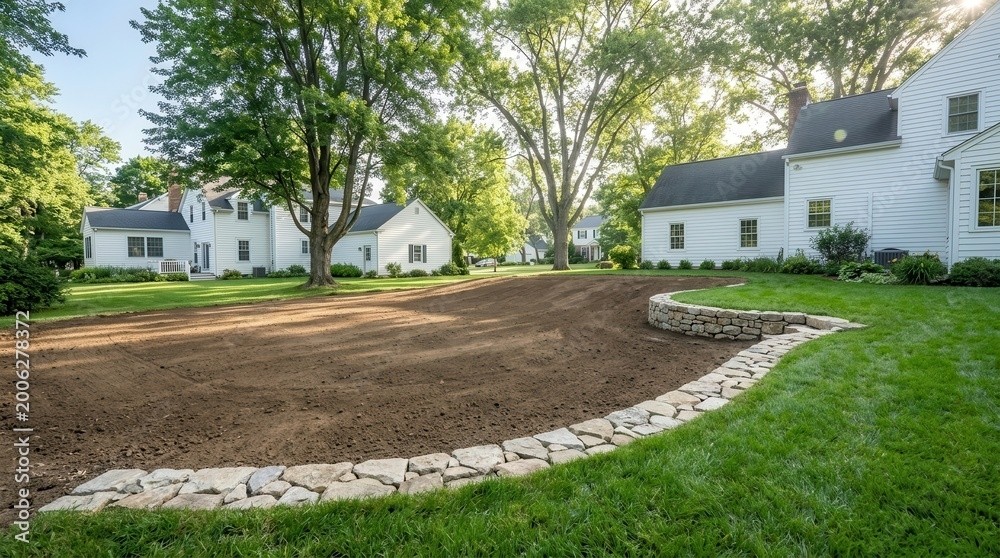
What Is Grading in Landscaping and Why Does It Matter?
Learn what grading in landscaping means, why it protects your property from water damage, and how proper slope keeps your yard healthy in Central Wisc...
Weeds have a way of showing up uninvited, and many gardeners reach for landscaping fabric as a first line of defense. But before you roll it out across your flower beds, one important question deserves a clear answer: is landscaping fabric water permeable? It is a fair concern, because the whole point of a healthy garden bed is getting moisture down to the roots where your plants need it. As lawn care and landscaping contractors in Marshfield, WI, we get this question often from homeowners who want to keep weeds down without accidentally starving their plants of water.
The short answer is that most quality landscaping fabric is designed to let water pass through while blocking weeds. However, the way it performs over time depends on the type of fabric, how it is installed, and what you place on top of it. Understanding those details will help you decide whether fabric belongs in your garden beds at all.
Landscaping fabric, sometimes called weed barrier or landscape cloth, is manufactured with tiny pores or a woven structure that allows liquid to seep through. When you ask is landscaping fabric water permeable in a technical sense, the answer for most modern products is yes. Rain and irrigation should soak through the material and reach the soil beneath rather than pooling on the surface.
There is a real difference between woven and non woven fabrics, though. Woven fabric is made from interlaced strands and offers strong permeability along with durability, which makes it a common choice under rock or gravel. Non woven fabric is bonded together and tends to be denser, so while it still lets water through, it can slow drainage more than woven varieties. Perforated plastic sheeting, on the other hand, is barely permeable at all and should not be confused with true landscaping fabric.
Even a fabric that starts out permeable can become less effective over the years. Fine soil, dust, and organic debris gradually settle into the pores and clog them. Once that happens, water begins to run off the surface instead of soaking in, which can leave the soil below dry while the top stays soggy. This is one of the biggest reasons some gardeners become frustrated with weed barrier fabric after a few seasons.
Mulch plays a role too. Organic mulches like shredded bark break down over time and create a layer of compost right on top of the fabric. That compost holds seeds, and weeds happily root in it above the barrier. Meanwhile, the decomposing material can seal the fabric pores and reduce how freely water passes through. So the same question, is landscaping fabric water permeable, has a different answer at year one than it might at year five if the material is neglected.
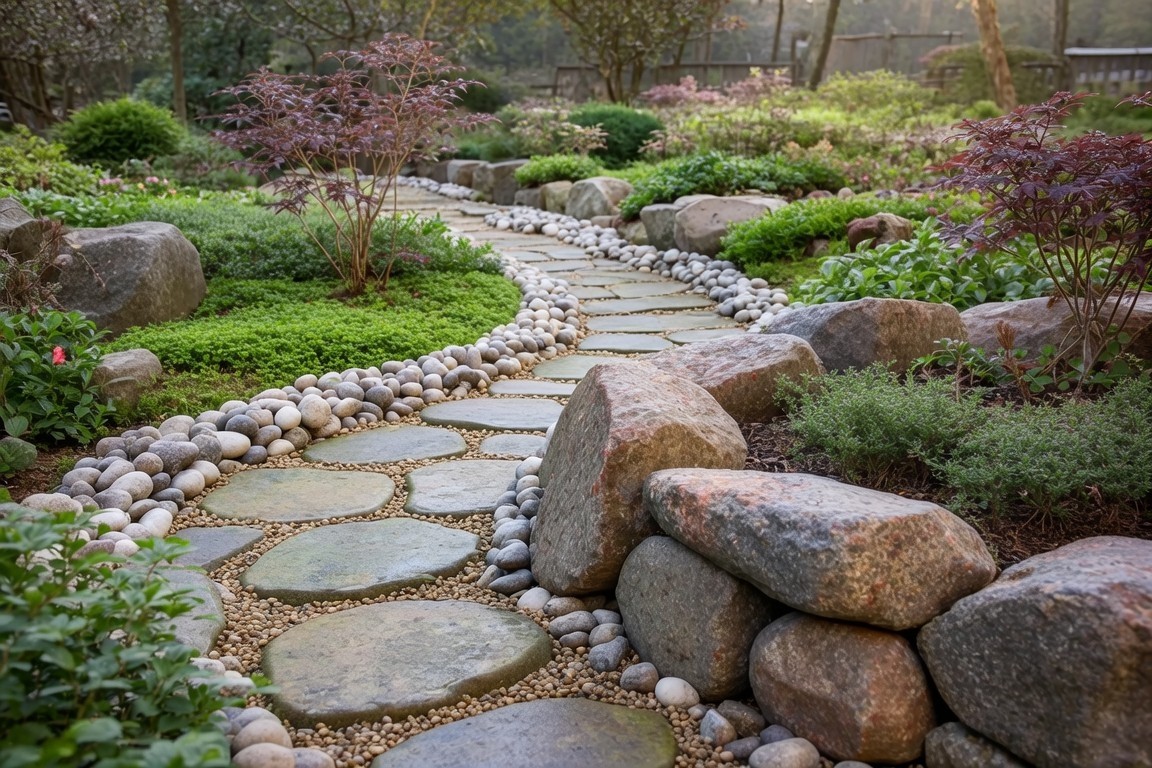
Fabric is not a bad product. It simply shines in certain situations and struggles in others. It performs well under inorganic ground covers such as decorative stone, river rock, or gravel pathways. In these spots, the fabric keeps rock from sinking into the soil, suppresses weeds, and still allows rainfall to drain. Because there is no organic mulch breaking down on top, the fabric tends to stay permeable much longer.
In planted flower beds and vegetable gardens, the calculation changes. These beds benefit from healthy soil biology, earthworms, and the natural cycle of organic matter enriching the ground. A barrier can interrupt that process and make it harder to add or move plants later. For beds you plan to change seasonally, many homeowners find that a thick layer of mulch alone controls weeds just as well without the drawbacks. Our team helps clients weigh these choices as part of thoughtful landscaping in Marshfield and the surrounding areas.
If you decide fabric is right for your project, proper installation makes all the difference in how well water continues to move through it. A few practical steps go a long way toward keeping the barrier working the way it should.
Taking time on these details helps ensure that the fabric supports your plants rather than working against them. Sloppy installation is often the real reason a bed underperforms, not the fabric itself.
Sometimes the best answer is no fabric at all. A generous layer of mulch, roughly two to three inches deep, blocks sunlight from weed seeds and holds moisture in the soil while allowing water to pass freely. Because mulch breaks down into the soil, it actually improves the bed over time rather than sitting on top as a barrier. Refreshing mulch each year is usually easier than dealing with fabric that has clogged or torn.
Ground cover plants are another attractive option. Low spreading perennials fill in bare space, crowd out weeds naturally, and add color and texture that fabric never could. In many of our residential and commercial projects, we combine smart plant selection with proper bed preparation to reduce weeds without relying on synthetic barriers. You can see examples of these approaches in our project gallery to get a feel for what works in a Wisconsin climate.
So, is landscaping fabric water permeable enough to trust in your garden beds? For quality woven fabric under stone, yes, and it can serve you well for years. For planted beds where you want rich, living soil, mulch or ground covers are often the smarter long term choice. The key is matching the material to the specific job rather than assuming one solution fits every corner of the yard.
Every property in central and northern Wisconsin has its own soil, drainage, and sun conditions, which is why a plan that fits your neighbor may not fit you. Whether you are laying a new rock border, redesigning a flower bed, or keeping up with routine lawn care and maintenance in Marshfield, WI, thoughtful preparation now saves headaches later. Well timed lawn care and healthy beds go hand in hand for a yard that looks great through every season.
If you are unsure which approach suits your garden beds, the team at Beaver Creek Nursery & Landscaping is happy to help you sort it out. We serve Marshfield and neighboring towns with practical advice and hands on work, from bed installation to ongoing landscaping upkeep. Reach out for a free quote and let us build a landscape that stays healthy, drains properly, and keeps weeds where they belong.
September 15, 2026
September 3, 2026
Permit requirements for tree removal vary based on your location and the size of the tree. We can help determine if a permit is necessary and guide you through the process to ensure compliance with local regulations.
If your lawn has bare patches, thinning grass, or persistent weeds, it may be time for new lawn installation or repair. Our team will assess your soil and recommend the best grass type for your property.
The duration depends on the method used. Sod installation provides an instant green lawn and is typically ready for use in a few weeks, while seeding takes longer but is a cost-effective option.
Typically, we recommend weekly or biweekly services for mowing, pruning and trimming, and general upkeep. Seasonal maintenance, such as aeration, fertilizing, and leaf cleanup, is also essential to keep your yard looking its best year-round.
The best time to plant trees and shrubs is usually in early spring or fall when temperatures are mild, and roots have time to establish before extreme weather conditions. We can help you select and plant the right greenery for your yard.
September 15, 2026
Learn what grading in landscaping means, why it protects your property from water damage, and how proper slope keeps your yard healthy in Central Wisc...
September 3, 2026