September 17, 2026
Is Landscaping Fabric Water Permeable for Garden Beds?
Is landscaping fabric water permeable? Learn how it works in garden beds, when to use it, and tips from Beaver Creek Nursery & Landscaping in Marshfie...
That roll of black material tucked under your mulch beds is doing more work than most homeowners realize. If you have ever pulled back a layer of stone or bark to find a dark, woven sheet beneath it, you have encountered one of the most useful tools in modern bed design. As a landscaping company in Marshfield, WI, we field a lot of questions about this product, and the first one is almost always the same: what is landscaping fabric made of, and does it actually do what people claim?
The short answer is that landscaping fabric is a manufactured textile designed to manage weeds, moisture, and soil movement. The longer answer involves several different materials, each with its own strengths and ideal uses. Understanding those differences helps you choose the right product for your beds, pathways, and planting areas rather than reaching for whatever is cheapest at the store.
When people ask what is landscaping fabric made of, the honest response is that it depends on the type. Most fabrics are built from synthetic polymers, primarily polypropylene and polyester. These plastics are spun or pressed into fibers, then either woven together like cloth or bonded into a dense sheet. The synthetic base is what gives the material its durability, its resistance to rot, and its ability to hold up against years of pressure from stone, roots, and foot traffic.
Woven fabrics are created by weaving polypropylene strands in a crisscross pattern, which produces a strong, breathable barrier that stands up well under heavy mulch or gravel. Nonwoven fabrics, by contrast, are made by needle-punching or heat-bonding fibers into a felt-like mat. These tend to be better for drainage and filtration rather than pure weed suppression. There are also spun-bonded varieties, where continuous polyester or polypropylene filaments are fused together to form a thin but tough sheet. A few eco-minded products use natural fibers such as jute or burlap, though those break down over a season or two and serve a different purpose entirely.
The reason the material matters so much comes down to how the fabric breathes. Quality landscaping fabric must let water and air pass through to the soil while blocking sunlight that weeds need to grow. The polymer makeup and the weave density together determine how well a fabric balances those competing jobs.
Once you understand what landscaping fabric is made of, the different types start to make sense. Each material is engineered for a specific setting, and matching the fabric to the project is the difference between a bed that stays clean for years and one that fails within a season.
For most Wisconsin yards, the choice usually comes down to woven versus nonwoven. Our winters bring heavy freeze and thaw cycles that push soil and stone around, so durability and proper drainage both carry real weight here. The wrong fabric can trap water against a foundation or heave out of a bed after a hard frost.
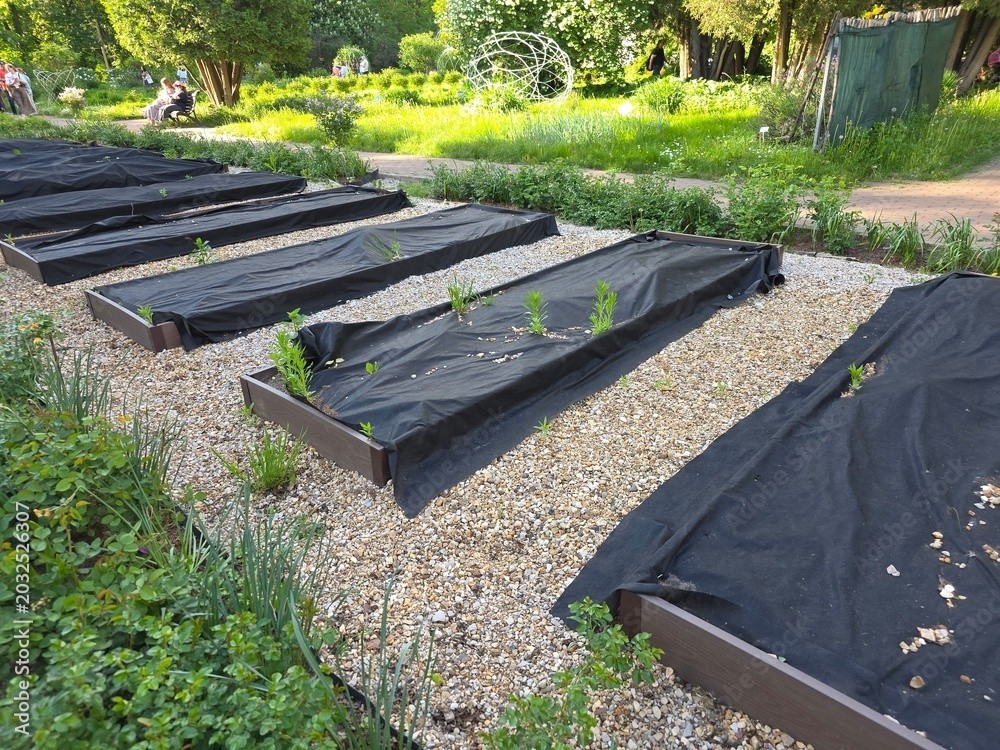
The most common use is weed control in mulch and stone beds. The fabric lays over prepared soil and blocks sunlight, so weed seeds below cannot germinate and spread. On top of that, it keeps your mulch or decorative stone from sinking into the dirt, which means you refresh your beds less often and your stone stays cleaner over time.
Beyond weed suppression, these fabrics play a structural role. Behind retaining walls, nonwoven fabric separates the gravel backfill from the native soil so the drainage layer does not clog. Under paver patios and walkways, fabric stabilizes the base and prevents the aggregate from mixing with the ground below. In drainage projects and French drains, it wraps the gravel and pipe to keep fine soil particles from washing in and causing blockages. You will even see it used for erosion control on slopes, where it holds soil in place while new plantings take root.
It is worth noting where fabric does not belong. In active vegetable gardens or annual flower beds that get replanted often, fabric tends to get in the way and can actually interfere with the healthy organic matter plants need. Those areas usually do better with mulch alone. If you are planning major bed work and want ideas, our landscaping project gallery shows how fabric fits into finished designs across the region.
Even the best fabric fails when it is installed poorly, and we see the results of rushed jobs all the time. The ground needs to be cleared of existing weeds and roots first, then raked smooth so the fabric lies flat without air pockets. Gaps and wrinkles create spots where weeds find their way through and where stone shifts unevenly.
Overlapping the seams by several inches is essential, because weeds are opportunists and will push through any gap you leave. Securing the fabric with landscape staples keeps it from sliding during installation and from heaving in our freeze and thaw seasons. When it comes time to plant, you cut a clean X in the fabric, fold the flaps back, dig your hole, and tuck the flaps around the base of the plant afterward. The goal is to disturb as little of the barrier as possible while still giving roots room to establish.
Covering the fabric promptly also protects it. Sunlight degrades exposed polypropylene over time, so a generous layer of mulch or stone on top extends the life of the material considerably. Done right, quality fabric under stone can last many years before it needs attention.
Fabric is a strong tool, but it is not a cure-all. It shines under rock beds, behind walls, and in drainage applications, and it struggles in beds you replant frequently or where you want soil to stay biologically active. The right call depends on your goals, your soil, and how you plan to use each area of your property. That is exactly the kind of judgment our team brings to every project involving landscaping in Marshfield, WI and the surrounding areas.
Knowing what landscaping fabric is made of, from woven polypropylene to nonwoven felt, puts you in a much better position to plan beds that stay low maintenance and look sharp for years. The material you choose, the way it is installed, and whether it even belongs in a given spot all matter more than most people expect.
If you are weighing fabric for a new bed, a patio base, or a drainage fix, we are happy to walk your property and recommend the right approach. Reach out to Beaver Creek Nursery & Landscaping for a free quote, and let us help you build landscaping that holds up through every Wisconsin season.
September 17, 2026
September 15, 2026
Permit requirements for tree removal vary based on your location and the size of the tree. We can help determine if a permit is necessary and guide you through the process to ensure compliance with local regulations.
If your lawn has bare patches, thinning grass, or persistent weeds, it may be time for new lawn installation or repair. Our team will assess your soil and recommend the best grass type for your property.
The duration depends on the method used. Sod installation provides an instant green lawn and is typically ready for use in a few weeks, while seeding takes longer but is a cost-effective option.
Typically, we recommend weekly or biweekly services for mowing, pruning and trimming, and general upkeep. Seasonal maintenance, such as aeration, fertilizing, and leaf cleanup, is also essential to keep your yard looking its best year-round.
The best time to plant trees and shrubs is usually in early spring or fall when temperatures are mild, and roots have time to establish before extreme weather conditions. We can help you select and plant the right greenery for your yard.
September 17, 2026
Is landscaping fabric water permeable? Learn how it works in garden beds, when to use it, and tips from Beaver Creek Nursery & Landscaping in Marshfie...
September 15, 2026
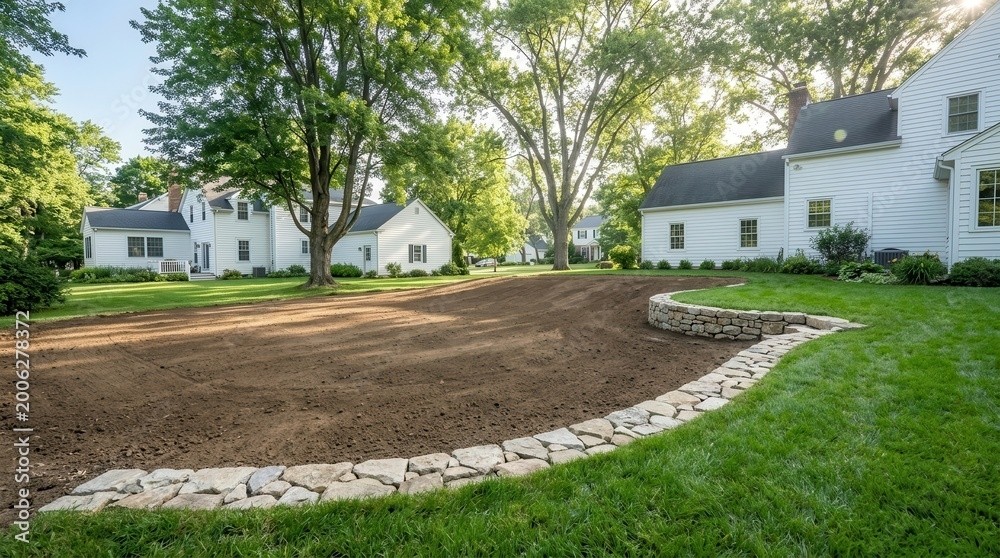
Learn what grading in landscaping means, why it protects your property from water damage, and how proper slope keeps your yard healthy in Central Wisc...