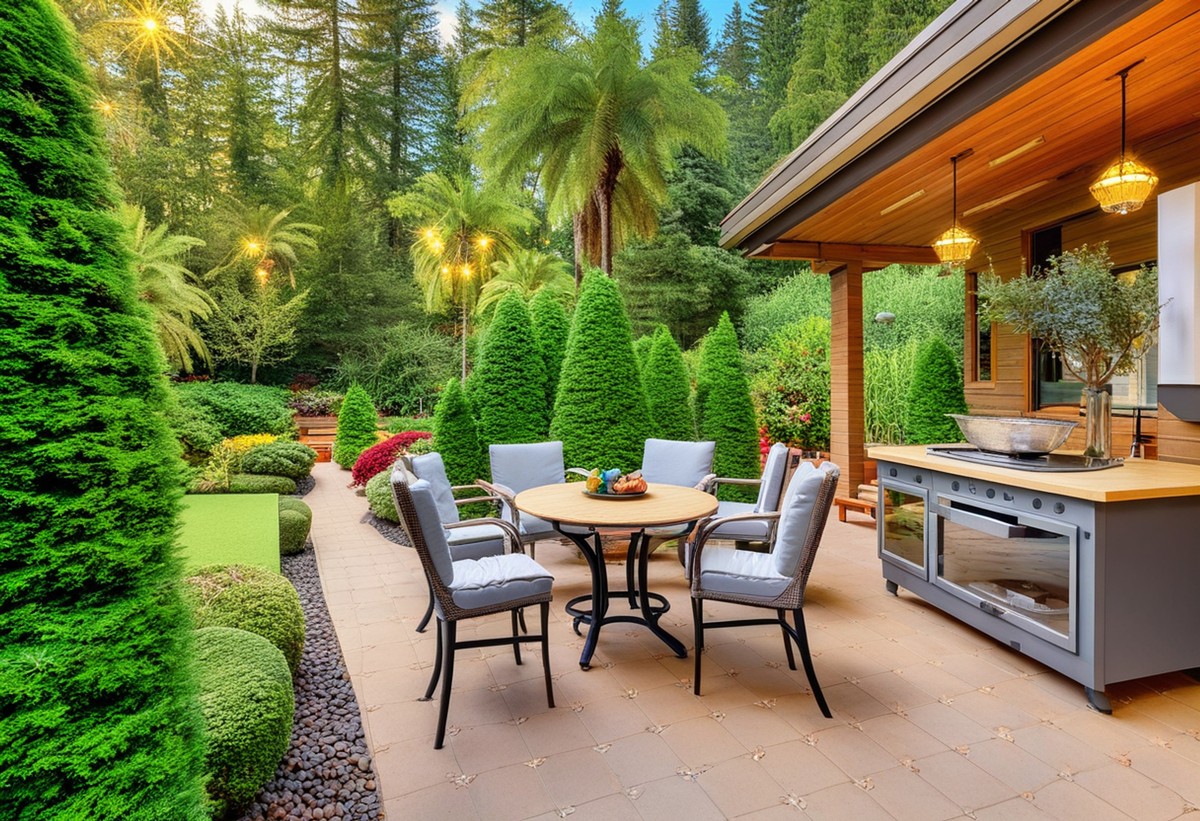
October 17, 2026
Does Landscaping Improve Home Value? What Homeowners Should Consider
Does landscaping improve home value? Learn how smart outdoor investments boost curb appeal and resale value for homes across Central and Northern Wisc...
Stone has a way of grounding a yard, both literally and visually. Whether it lines a path, frames a flower bed, or holds back a slope, the right rock adds structure and lasting beauty that mulch and plants alone cannot provide. That is why so many homeowners turn to landscaping stones when they want a yard that looks polished in every season, especially through the freeze and thaw cycles common across Central and Northern Wisconsin. As a landscaping company in Marshfield, we have seen how the right stone choice can transform an ordinary outdoor space into something both functional and striking.
The beauty of working with stone is its versatility. A single material category covers everything from smooth river rock to angular crushed granite, and each type brings its own texture, color, and purpose. Understanding how different stones perform in walkways, borders, and garden beds helps you make choices that look great and hold up for years.
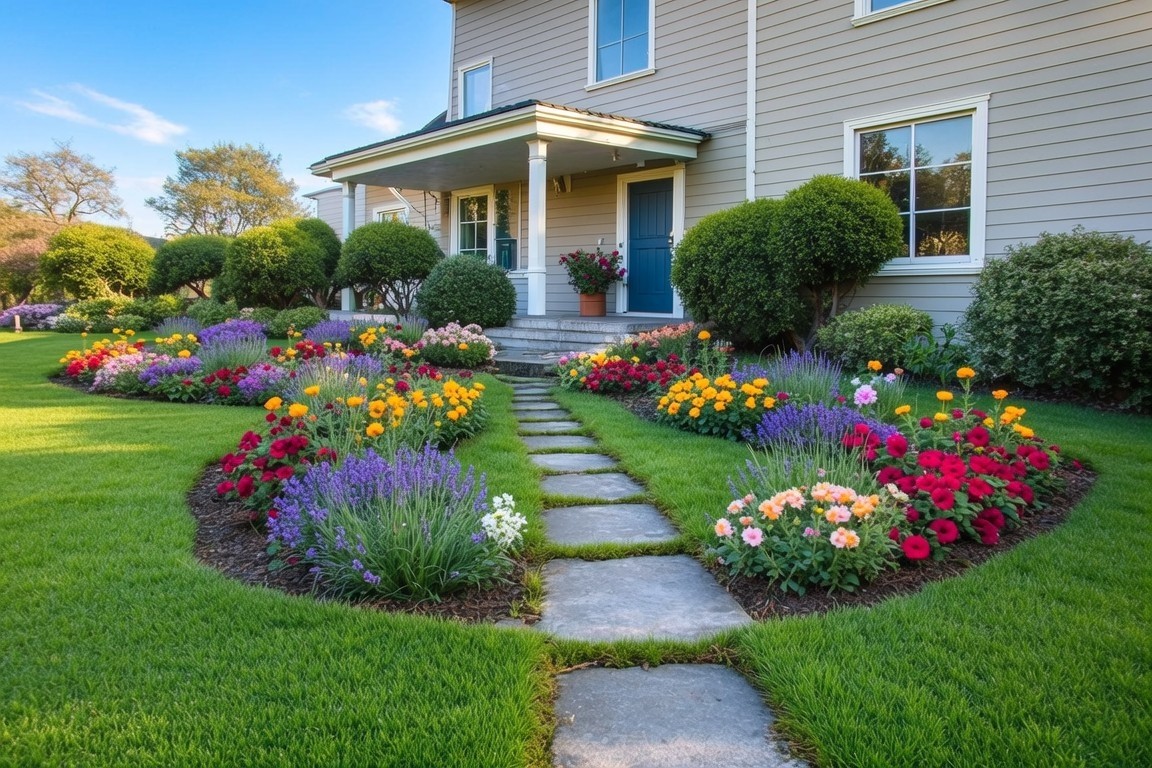
A walkway is one of the hardest working features in any yard. It guides foot traffic, protects your lawn from wear, and sets the tone for how the rest of your landscape feels. When selecting landscaping stones for a path, the two biggest considerations are stability underfoot and drainage. Flat flagstone and cut pavers create a firm, even surface that is easy to walk on, while crushed gravel and pea stone offer a softer, more natural look that lets rainwater filter through rather than pool.
In our climate, drainage matters more than many people expect. Water that sits and freezes can heave stones out of place over the winter. A properly built walkway starts with a compacted base of crushed stone topped with a leveling layer, which keeps the surface stable even after months of snow and ice. If you prefer a rustic feel, wider joints filled with gravel or ground cover give a garden path plenty of charm without sacrificing function. For a more formal entrance, tightly set flagstone with minimal gaps reads clean and intentional.
Borders are where stone quietly does some of its most valuable work. A crisp stone edge separates your lawn from planting beds, keeps mulch and soil where they belong, and cuts down on the constant trimming and re-edging that grass invasion demands. Stacked stone, cobbles, and larger boulders all make excellent borders, and the style you choose can lean anywhere from tidy and geometric to loose and organic.
Low stone borders also create visual rhythm in a yard. Running a consistent edging material around beds, walkways, and tree rings ties the whole landscape together so it reads as one thoughtful design rather than a collection of separate projects. Because stone does not decompose, a well set border can last for decades with almost no maintenance. That longevity is a big reason we recommend stone edging to homeowners who want to spend less time on upkeep and more time enjoying their yard.
Inside a garden bed, stone serves both practical and decorative roles. Larger decorative rocks and boulders act as anchors that draw the eye and give plantings a sense of permanence, while smaller stone mulches like river rock or lava rock can replace wood mulch in areas where you want less annual maintenance. Unlike bark mulch, stone does not break down, blow away, or need replacing every year, which makes it a smart option for high visibility beds and low traffic corners alike.
Stone also helps with moisture and weed control when paired with a quality landscape fabric underneath. It reflects less heat than dark mulch in some cases and holds up beautifully around foundations, downspouts, and other spots where water flow can erode looser materials. When we plan garden beds, we think about how the color of the stone will play against the plants, the siding of the home, and any hardscape nearby. A cool gray stone can make green foliage pop, while warmer tan and rust tones complement brick and earthy exteriors.
With so many options available, it helps to match each stone to its intended use rather than picking by appearance alone. A few of the most common choices and where they shine:
Color, size, and finish all factor into the final look, and seeing samples in person often makes the decision easier. You can browse examples of finished work in our landscaping project gallery to get a feel for how different stones come together in real yards. Sometimes the best design pairs two or three stone types, using flagstone for the path, a contrasting cobble for the border, and river rock in the beds so each element stands out.
Even the finest stone underperforms if it is installed on a poor foundation. Proper site prep, grading, and compaction are what separate a walkway that stays level for years from one that shifts and settles after a single winter. We take the time to excavate to the right depth, build a stable base, and account for water movement so your investment holds up through Wisconsin's demanding seasons. Edge restraints, fabric, and correct stone depth all play a part in keeping everything in place.
Maintenance for stone features is refreshingly light. An occasional rinse, a quick weed pull, and topping off loose gravel every few years is usually all it takes. If moss, grime, or algae build up on pavers or flagstone over time, a gentle soft wash can restore their appearance without damaging the surface. Pairing stonework with healthy surrounding turf makes the whole picture look intentional, which is why many homeowners combine hardscape projects with our lawn care and maintenance services to keep everything looking its best.
Well chosen landscaping stones do more than decorate. They solve drainage problems, reduce maintenance, define spaces, and give your property a finished, cohesive look that lasts. Walkways become safer and more inviting, borders stay crisp with far less effort, and garden beds gain texture and structure that plants alone cannot deliver. When these elements are planned together, the result is a landscape that feels unified rather than pieced together over time.
Every yard is different, and the best stone plan starts with understanding your goals, your soil, and the way water moves across your property. If you are considering landscaping stones for a project in Marshfield and the surrounding areas, our team is happy to walk the site with you, suggest materials that fit your style and budget, and handle the installation from the ground up. Reach out to Beaver Creek Nursery & Landscaping to request a quote and start planning a yard that looks great in every season.
October 17, 2026
October 15, 2026
Permit requirements for tree removal vary based on your location and the size of the tree. We can help determine if a permit is necessary and guide you through the process to ensure compliance with local regulations.
If your lawn has bare patches, thinning grass, or persistent weeds, it may be time for new lawn installation or repair. Our team will assess your soil and recommend the best grass type for your property.
The duration depends on the method used. Sod installation provides an instant green lawn and is typically ready for use in a few weeks, while seeding takes longer but is a cost-effective option.
Typically, we recommend weekly or biweekly services for mowing, pruning and trimming, and general upkeep. Seasonal maintenance, such as aeration, fertilizing, and leaf cleanup, is also essential to keep your yard looking its best year-round.
The best time to plant trees and shrubs is usually in early spring or fall when temperatures are mild, and roots have time to establish before extreme weather conditions. We can help you select and plant the right greenery for your yard.
October 17, 2026
Does landscaping improve home value? Learn how smart outdoor investments boost curb appeal and resale value for homes across Central and Northern Wisc...
October 15, 2026
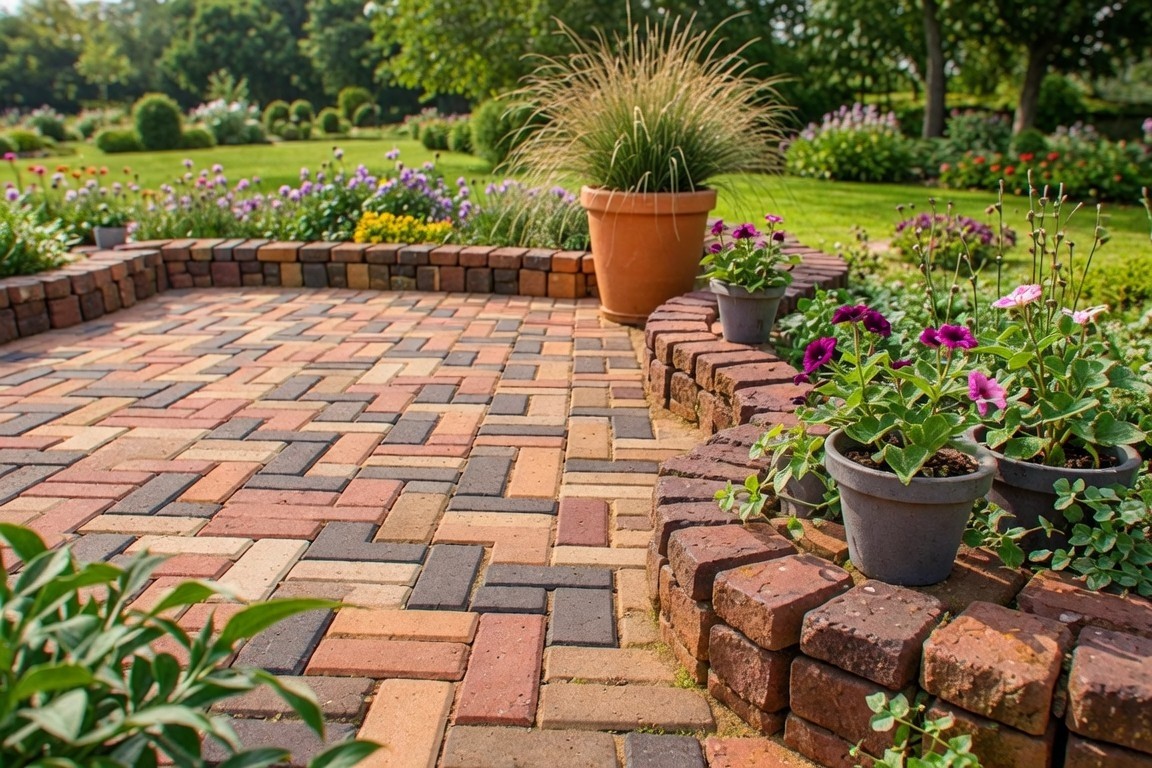
A well-built brick patio or a crisp garden border can transform an ordinary yard into a space that feels finished and inviting. Brick is one of the mo
October 3, 2026
Wondering how much landscaping costs in Central and Northern Wisconsin? Explore the factors that shape pricing for common outdoor projects near Marshf...