October 1, 2026
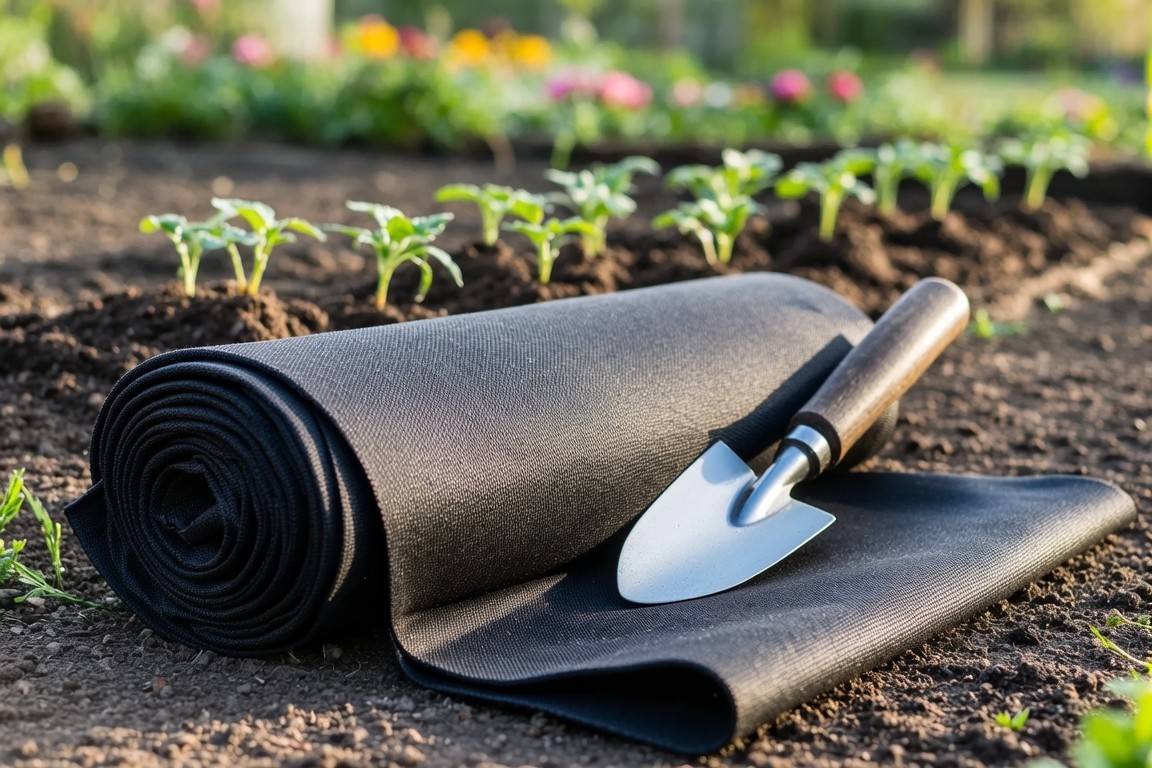
Landscaping Fabric Explained: What It's Made Of and How It's Used
Wondering what landscaping fabric is made of and how it works? Beaver Creek explains fabric types, uses, and installation tips for Wisconsin yards.
Planning an outdoor project is exciting, but one of the first questions nearly every homeowner asks is a practical one: how much does landscaping cost? It is a fair question, and the honest answer is that it depends on the scope of the work, the materials you choose, and the condition of your property. As a landscaping company in Marshfield, we have helped countless property owners turn vague ideas into clear budgets, and we believe transparency is the best place to start.
Rather than throwing out numbers that may not apply to your yard, this guide walks through the real factors that shape pricing across Central and Northern Wisconsin. Whether you are dreaming of a new patio, a fresh planting bed, or a complete backyard transformation, understanding these elements will help you plan with confidence and avoid surprises along the way.
The price of any outdoor project comes down to a handful of core variables. The first is the size of the area being worked on. A small front-yard refresh naturally costs far less than reshaping an entire half-acre lot. The second is the type of materials involved. Natural stone, for example, carries a different price point than concrete pavers, and premium plantings cost more than common nursery stock.
Labor is another major component. Projects that require excavation, grading, or heavy equipment take more time and specialized skill than simple planting work. Finally, the condition of your existing landscape matters. If old features need to be removed, drainage problems corrected, or poor soil amended before new work begins, those preparation steps add to the total. When people ask how much does landscaping cost, these are the factors we examine first during a site visit.
Different outdoor projects fall into different budget ranges, and knowing where yours lands helps set realistic expectations. Planting and garden bed work tends to be among the more approachable investments, since it relies mostly on nursery material and labor rather than heavy construction. Costs climb based on the number of plants, their maturity, and whether new soil, mulch, or edging is part of the plan.
Hardscaping projects such as patios, walkways, and retaining walls sit at the higher end because they involve excavation, base preparation, and durable materials built to withstand Wisconsin winters. The square footage, the complexity of the design, and the material you select all push the figure up or down. A straightforward rectangular paver patio is more economical than a curved design with built-in seating walls and lighting.
Other common additions carry their own considerations. Fence installation varies with length, height, and material, while tree and stump work depends on the size, number, and accessibility of what needs to be removed. You can browse examples of finished work in our landscaping project gallery to see how scope translates into results.
Complete landscape overhauls are the projects that generate the widest range of pricing, and for good reason. A full transformation might combine grading, new sod or seed, planting beds, a patio, walkways, lighting, and an irrigation system all at once. Each element adds to the investment, but bundling them often makes sense because the site is already prepped and crews are already mobilized.
When considering how much does landscaping cost for a project of this scale, think in phases if the full vision stretches your budget. Many homeowners in and around Marshfield begin with the structural pieces like grading and hardscaping, then add plantings and finishing touches in later seasons. This approach spreads the cost over time while still following a cohesive master plan, so the finished yard looks intentional rather than pieced together.
Where you live has a real effect on outdoor project pricing. Central and Northern Wisconsin properties face freeze-thaw cycles that demand proper base depth under patios and walkways, frost-protected footings for structures, and plant selections hardy enough to survive cold winters. Cutting corners to save money upfront often leads to heaving, cracking, or plant loss that costs far more to fix later.
Soil conditions and drainage also vary from one neighborhood to the next. A lot with heavy clay or poor runoff may need extra preparation that a sandy, well-draining site does not. These regional realities are part of why working with experienced Marshfield landscaping experts pays off. We account for local climate and terrain from the beginning, so your investment holds up for years rather than seasons. Our services reach Marshfield and the surrounding areas, and our familiarity with the region shapes every recommendation we make.
Spending wisely is not about choosing the cheapest option. It is about matching your investment to your goals and the longevity you expect. A few practical habits help stretch a landscaping budget without sacrificing quality:
Ongoing care is part of the equation too. A beautifully installed landscape only keeps its value when it is maintained, which is why many property owners pair installation work with regular lawn care and maintenance in Marshfield, WI. Protecting your initial investment with consistent upkeep is almost always more affordable than rescuing a neglected yard down the road.
There is no single flat answer to how much does landscaping cost, because no two properties and no two visions are exactly alike. What you can count on is a clear process: a conversation about your goals, a look at your site, and a transparent estimate that reflects the real work involved. From a modest planting project to a sweeping backyard renovation, understanding the factors we have covered puts you in a strong position to make smart decisions.
If you are ready to move from questions to a concrete plan, reach out for a quote tailored to your property. As trusted landscaping contractors in Marshfield, WI, we serve homeowners and businesses throughout Marshfield and neighboring towns, and we are happy to walk you through options at every price point. You can also read through our customer reviews and testimonials to see how we have helped others bring their outdoor spaces to life.
Your yard is one of the most visible investments you will make in your property, and the right planning turns that investment into lasting enjoyment and curb appeal. When you are ready to talk numbers and possibilities, our team is here to help you build something that fits both your vision and your budget.
October 1, 2026
September 17, 2026
Permit requirements for tree removal vary based on your location and the size of the tree. We can help determine if a permit is necessary and guide you through the process to ensure compliance with local regulations.
If your lawn has bare patches, thinning grass, or persistent weeds, it may be time for new lawn installation or repair. Our team will assess your soil and recommend the best grass type for your property.
The duration depends on the method used. Sod installation provides an instant green lawn and is typically ready for use in a few weeks, while seeding takes longer but is a cost-effective option.
Typically, we recommend weekly or biweekly services for mowing, pruning and trimming, and general upkeep. Seasonal maintenance, such as aeration, fertilizing, and leaf cleanup, is also essential to keep your yard looking its best year-round.
The best time to plant trees and shrubs is usually in early spring or fall when temperatures are mild, and roots have time to establish before extreme weather conditions. We can help you select and plant the right greenery for your yard.
October 1, 2026
Wondering what landscaping fabric is made of and how it works? Beaver Creek explains fabric types, uses, and installation tips for Wisconsin yards.
September 17, 2026
Is landscaping fabric water permeable? Learn how it works in garden beds, when to use it, and tips from Beaver Creek Nursery & Landscaping in Marshfie...