October 3, 2026
Common Outdoor Project Costs: How Much Does Landscaping Cost?
Wondering how much landscaping costs in Central and Northern Wisconsin? Explore the factors that shape pricing for common outdoor projects near Marshf...
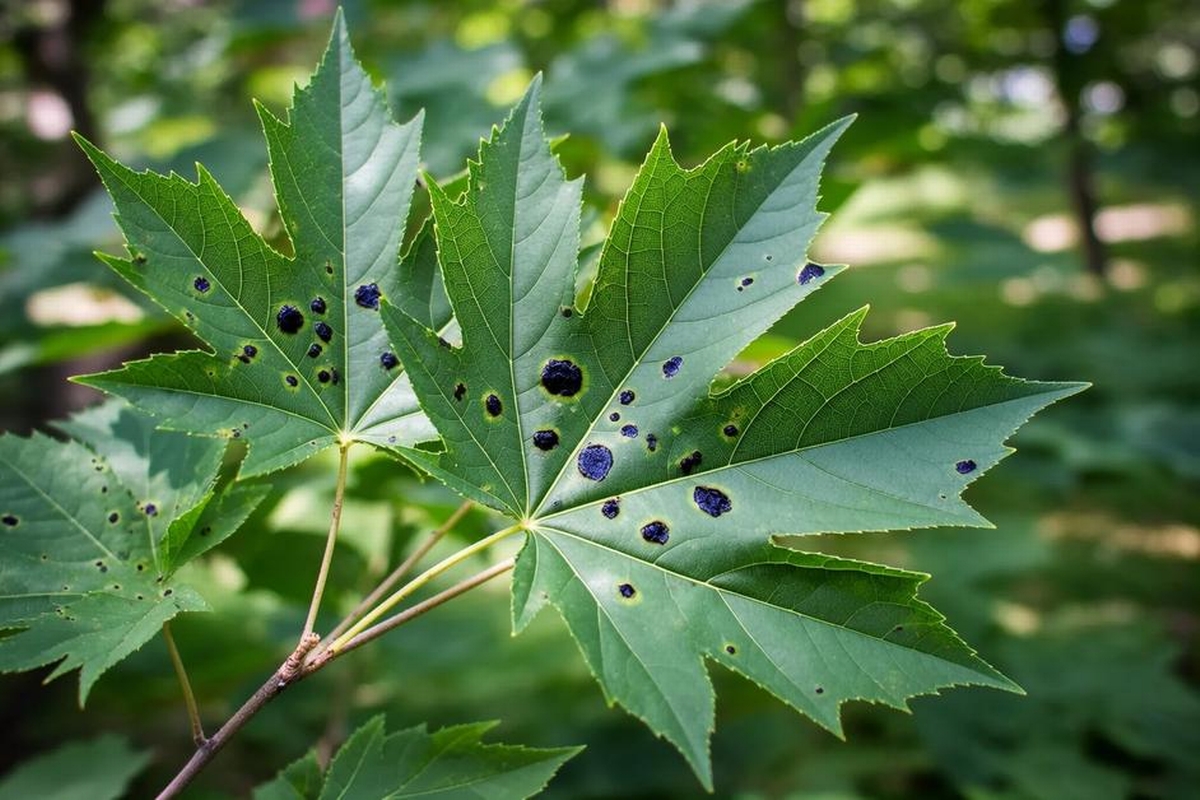
Gardening and landscaping enthusiasts often take pride in their beautiful maple trees. These trees are a staple in many landscapes, offering vibrant colors and a majestic presence. However, when you start noticing black spots on maple tree leaves, it can be both concerning and puzzling. Whether you're an avid gardener or simply someone keen on maintaining a healthy tree line, understanding these spots is essential. For individuals looking for lawn care services in Marshfield and its neighboring cities, like Beaver Creek Nursery & Landscaping LLC, learning about and addressing issues with your landscape is crucial for long-term green health.
The appearance of black spots on maple tree leaves isn't just a minor cosmetic issue; it can signal underlying problems that need addressing. This blog post delves into why these spots form and the steps you can take to ensure your trees remain healthy and vibrant. From identifying the root causes to exploring preventive and remedial measures, we aim to equip you with the knowledge needed to tackle this common issue effectively.
Black spots on your maple leaves are primarily caused by a fungal disease known as tar spot. This fungus thrives in humid environments, especially during warm, wet weather. It's easily recognizable by its signature tar-like black splotches, which can vary in size.
While tar spots are primarily a cosmetic concern, severe infections can hinder photosynthesis by blocking sunlight from reaching the leaf's surface. This can lead to early leaf drop, causing a less robust tree and affecting the aesthetic appeal of your landscape. Understanding these impacts is vital, especially if you have other ornamental plants around, which may also be vulnerable to similar fungal issues.
Furthermore, landscapes in this region must be particularly vigilant, as local climate conditions can exacerbate fungal growth. This emphasizes the importance of proactive landscape management.
Addressing the black spots on maple tree leaves involves a combination of remedial actions and preventive strategies aimed at reducing the likelihood of future infections.
Investing in the right care practices can extend beyond just treatment into holistic yard health strategies. Here are some additional tips to consider:
Another important aspect to consider is the role of community involvement in promoting landscape health. For areas like Marshfield, where weather can play a significant role in disease spread, community initiatives can be particularly effective. Information sharing, seasonal clean-up days, and even community garden clubs can help mitigate issues like tar spot on a broader scale.
For property owners in Marshfield, the presence of black spots on your maple tree leaves doesn't have to spell disaster for your landscape. Instead, it provides an opportunity to cultivate a healthier and more resilient green space. By understanding the causes and implementing actionable strategies, you can safeguard your trees for years to come.
Whether it’s engaging with local experts or taking hands-on steps yourself, effective management is within reach. Connect with trusted locals like Beaver Creek Nursery & Landscaping LLC, leaders in landscaping in Marshfield, to explore professional services tailored to your landscape needs. Investing in expertise not only protects your maples but enhances your property’s overall value and appeal. Get in touch today to transform your yard and enjoy peace of mind knowing your green space is in good hands.
October 3, 2026

October 1, 2026
Permit requirements for tree removal vary based on your location and the size of the tree. We can help determine if a permit is necessary and guide you through the process to ensure compliance with local regulations.
If your lawn has bare patches, thinning grass, or persistent weeds, it may be time for new lawn installation or repair. Our team will assess your soil and recommend the best grass type for your property.
The duration depends on the method used. Sod installation provides an instant green lawn and is typically ready for use in a few weeks, while seeding takes longer but is a cost-effective option.
The cost to cut down a tree varies based on factors like its size, location, and condition. Larger trees or those near structures typically require more labor and specialized equipment, increasing the cost of cutting it down.
The cost to grind a stump is influenced by the stump's size, root depth, and accessibility. On average, stump grinding ranges from $100 to $500 per stump, with larger or more deeply rooted stumps potentially requiring a higher cost.
Tree removal costs vary based on factors like the tree's height, diameter, location, and overall condition. Tree removal estimates typically range from $300 to $2,500, with more complex jobs—such as those near power lines or buildings—requiring additional labor and safety measures.
October 3, 2026
Wondering how much landscaping costs in Central and Northern Wisconsin? Explore the factors that shape pricing for common outdoor projects near Marshf...
October 1, 2026
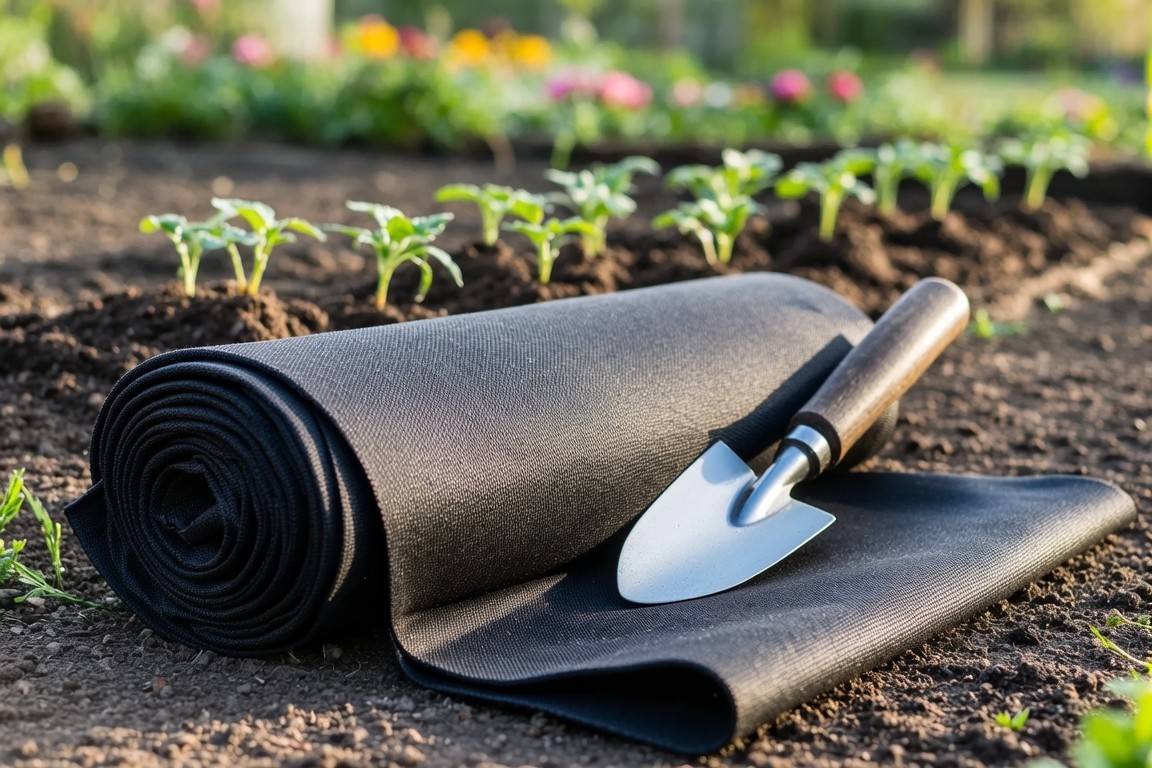
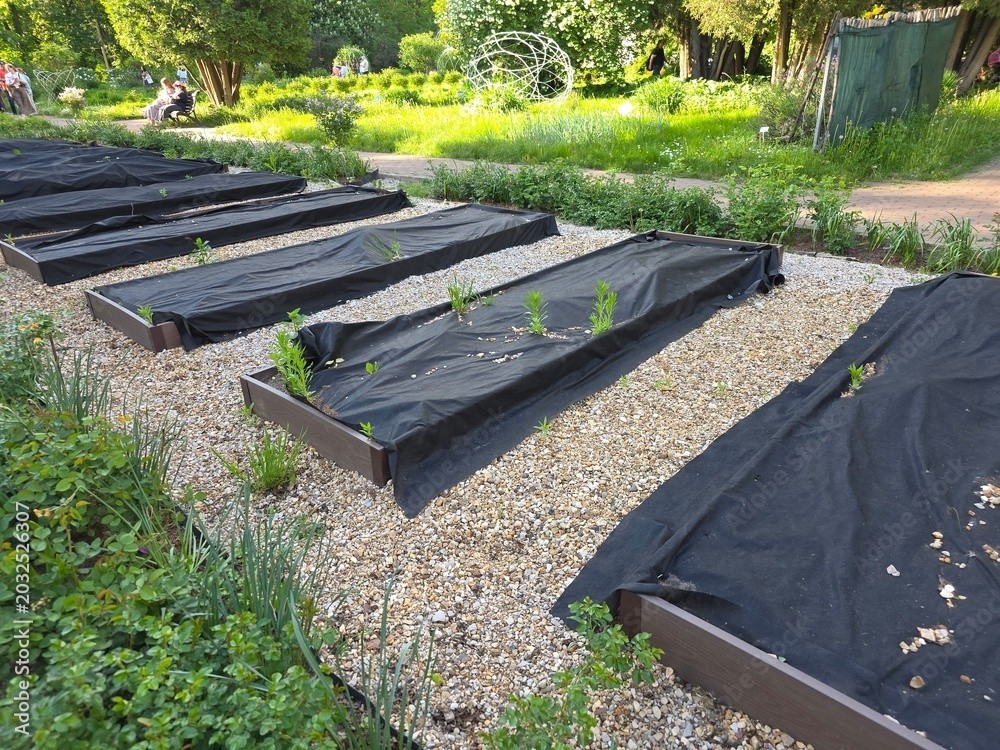
Wondering what landscaping fabric is made of and how it works? Beaver Creek explains fabric types, uses, and installation tips for Wisconsin yards.
September 17, 2026
Is landscaping fabric water permeable? Learn how it works in garden beds, when to use it, and tips from Beaver Creek Nursery & Landscaping in Marshfie...