October 3, 2026
Common Outdoor Project Costs: How Much Does Landscaping Cost?
Wondering how much landscaping costs in Central and Northern Wisconsin? Explore the factors that shape pricing for common outdoor projects near Marshf...
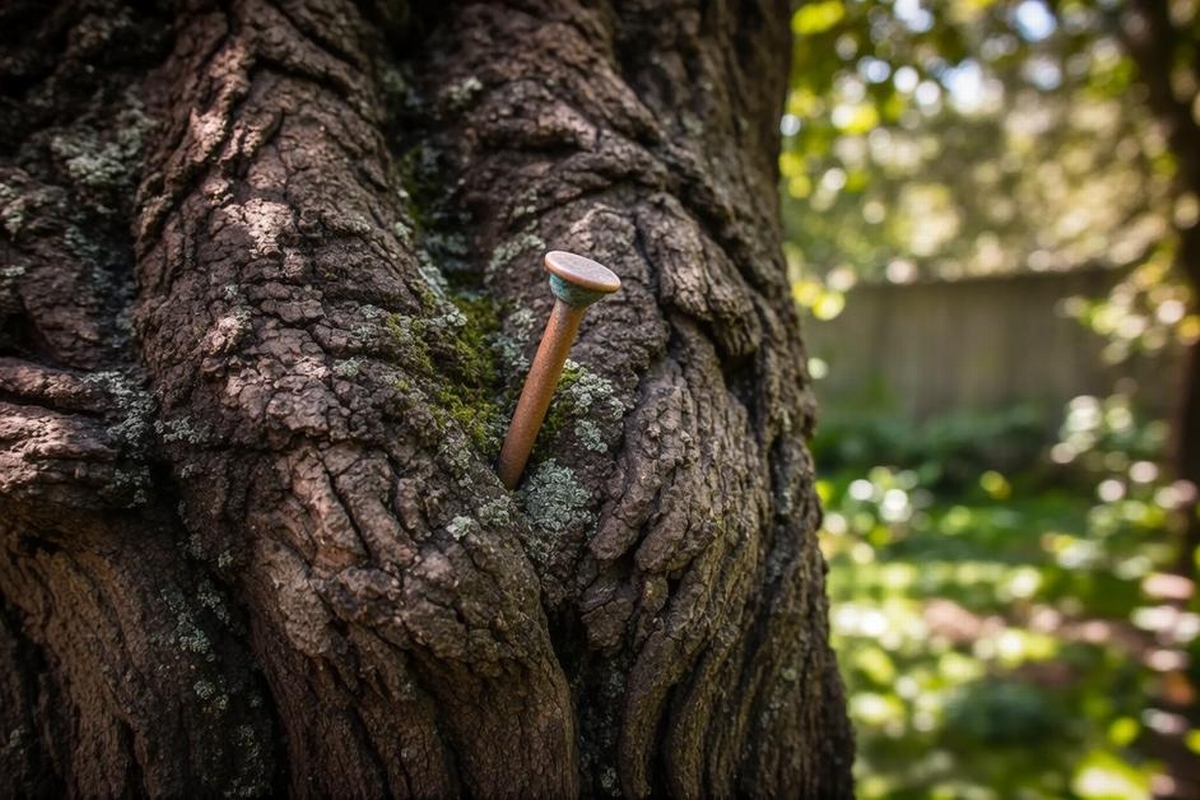
Stepping into your yard and seeing a towering tree with limbs sprawling across your property can evoke mixed emotions. While trees provide shade and beauty, their roots and branches can pose challenges. It leads many to wonder about the unconventional methods suggested for tree removal, including the controversial use of copper nails. But do copper nails kill trees? Before diving into that heated debate, it's key to recognize the role of landscaping contractors in Marshfield who offer various services to manage tree-related concerns in your landscape. This blog aims to explore the truth behind the copper nails theory, possible reasons for its origin, and superior ways of managing problematic trees.
The belief that copper nails can kill trees dates back several decades. Some suggest that hammering a few copper nails into the trunk of a tree will poison it over time, causing it to die. This method intrigues many due to its simplicity and cost-effectiveness. However, when you think about it, the method seems almost too simplistic. After all, if this were truly effective, people wouldn't be spending substantial amounts on landscaping, lawn care, and maintenance services to address tree concerns.
To determine whether this theory holds water, it's essential to examine the interaction of copper with trees. Trees, just like any other living organism, have their own ways of absorbing nutrients and minerals. Copper is one of the trace elements plants need for growth, albeit in minimal amounts. However, the idea that a small concentration of copper can be a death sentence for a tree seems far-fetched. When thoroughly researched, scientific evidence does little to support the claim that copper nails can effectively kill mature trees.
If the idea that copper nails kill trees is largely considered a myth, why has it persisted? There are several reasons for its longevity. First, anecdotal evidence has a strong hold in gardening and landscaping communities. Stories of success are passed around, sometimes without the backing of concrete evidence. Also, misunderstanding scientific interactions between metals and plants sometimes fuels these beliefs.
Copper, when it oxidizes, does have fungicidal properties. Certain fungicides use copper as an active ingredient, which might have led to the belief that ample amounts of copper could harm trees. However, localized high concentrations in nails are not enough to kill the robust vascular structure of even a medium-sized tree.
For homeowners in Marshfield looking at problematic trees, it is crucial to rely on proven methods and professional guidance rather than folklore. Proper tree management starts with an understanding of both the tree's health and the homeowner's needs.
In the context of tree management, knowledge is power. Understanding the limitations of myths like copper nails is crucial to making informed choices that align with your long-term landscape goals.
While the copper nail myth lingers, there are safer and more effective approaches to consider.
Employing specialists in land clearing or tree care, like those at Beaver Creek Nursery & Landscaping LLC, is recommended to leverage their expertise and avoid complications.
For homeowners wondering about tree issues, understanding your specific needs is the first step. The notion that copper nails can solve your problem might sound appealing, but it is often insufficient and inadequate in addressing the root of the problem - pun intended. Sometimes, professional guidance and services in lawn care and maintenance in Marshfield can provide clarity. With unpredictable challenges, relying on experienced landscaping services becomes invaluable.
The question "Do copper nails kill trees?" largely falls into the category of urban myths. While copper's potential to harm trees is minimal at best, the myth prevails due to anecdotal traditions and misconceptions about metal interactions with plant life. For those dealing with troublesome trees, consulting with knowledgeable professionals in landscaping and tree removal and stump grinding in Marshfield can offer practical, effective solutions that align with your overall landscape vision.
If you're contemplating changes to your landscape or have challenging trees on your property, consider reaching out to Beaver Creek Nursery & Landscaping LLC. Whether it's comprehensive landscaping solutions or specialized arborist services you're after, the expertise of professionals will help you navigate the path to a beautiful, healthy property.

October 3, 2026
October 1, 2026
Permit requirements for tree removal vary based on your location and the size of the tree. We can help determine if a permit is necessary and guide you through the process to ensure compliance with local regulations.
If your lawn has bare patches, thinning grass, or persistent weeds, it may be time for new lawn installation or repair. Our team will assess your soil and recommend the best grass type for your property.
The duration depends on the method used. Sod installation provides an instant green lawn and is typically ready for use in a few weeks, while seeding takes longer but is a cost-effective option.
The cost to cut down a tree varies based on factors like its size, location, and condition. Larger trees or those near structures typically require more labor and specialized equipment, increasing the cost of cutting it down.
The cost to grind a stump is influenced by the stump's size, root depth, and accessibility. On average, stump grinding ranges from $100 to $500 per stump, with larger or more deeply rooted stumps potentially requiring a higher cost.
Tree removal costs vary based on factors like the tree's height, diameter, location, and overall condition. Tree removal estimates typically range from $300 to $2,500, with more complex jobs—such as those near power lines or buildings—requiring additional labor and safety measures.
October 3, 2026
Wondering how much landscaping costs in Central and Northern Wisconsin? Explore the factors that shape pricing for common outdoor projects near Marshf...
October 1, 2026
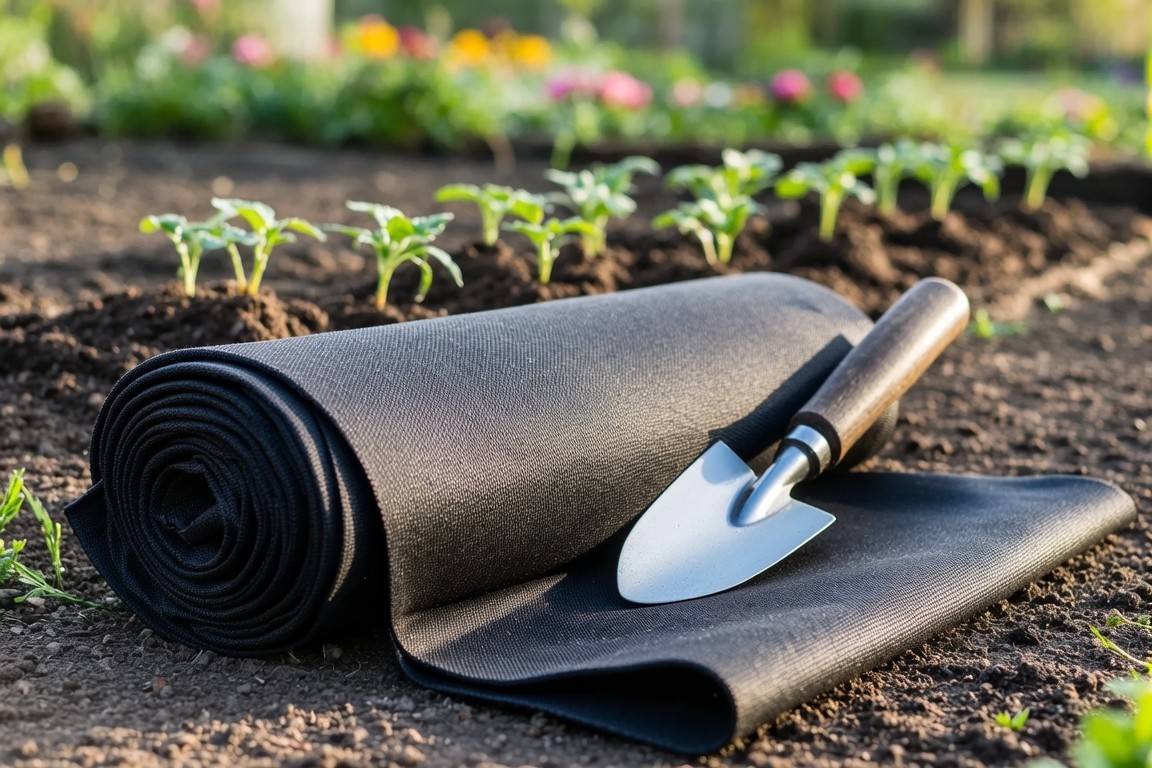
Wondering what landscaping fabric is made of and how it works? Beaver Creek explains fabric types, uses, and installation tips for Wisconsin yards.
September 17, 2026
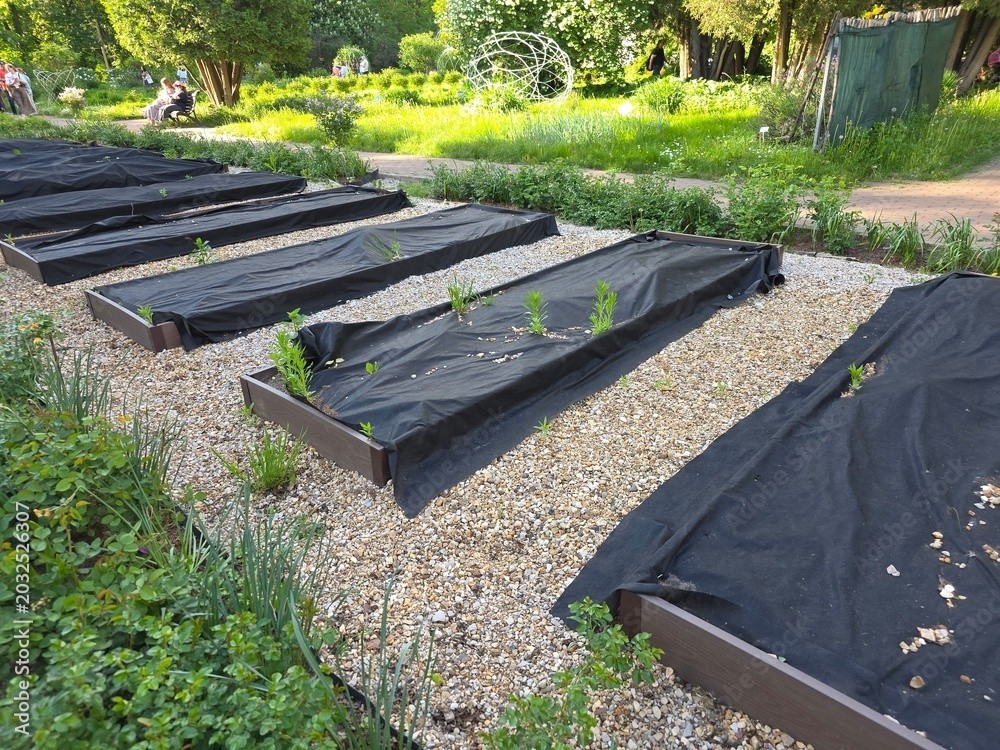
Is landscaping fabric water permeable? Learn how it works in garden beds, when to use it, and tips from Beaver Creek Nursery & Landscaping in Marshfie...