October 3, 2026
Common Outdoor Project Costs: How Much Does Landscaping Cost?
Wondering how much landscaping costs in Central and Northern Wisconsin? Explore the factors that shape pricing for common outdoor projects near Marshf...
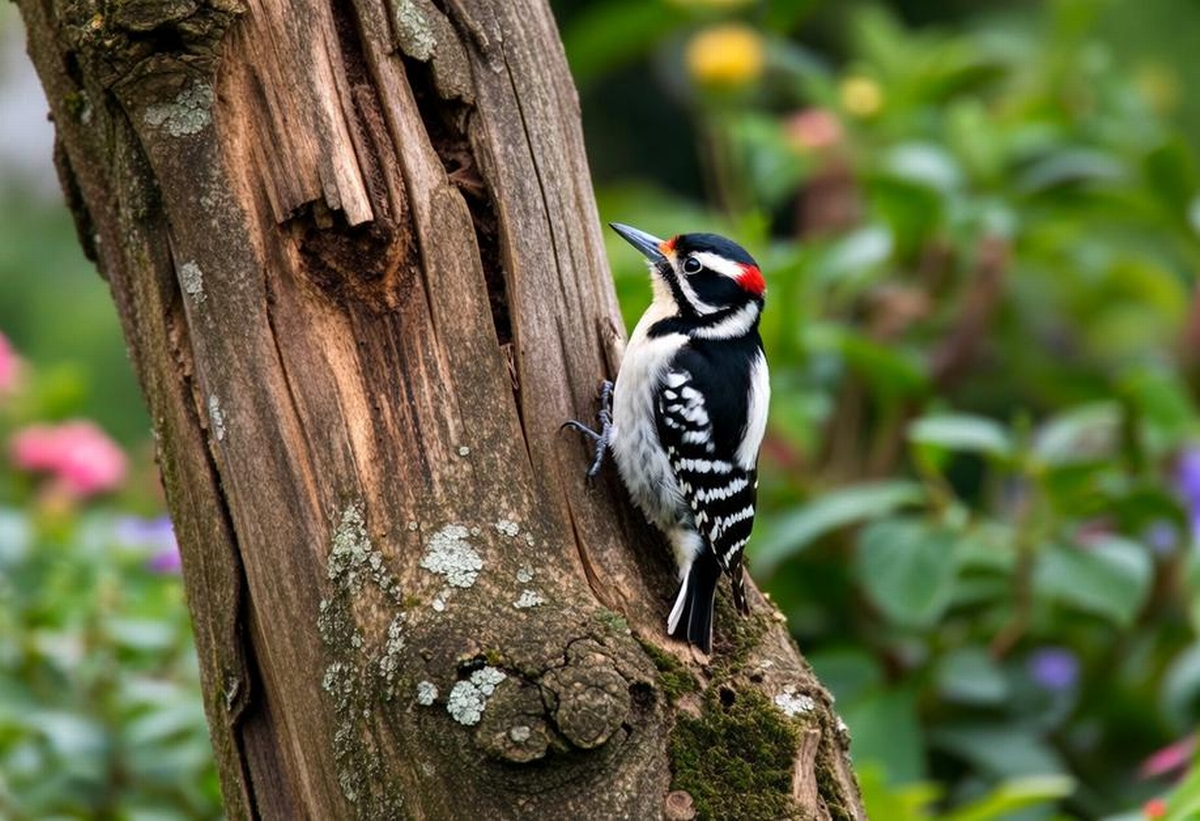
Woodpeckers are often seen as the amusing percussionists of the bird world, creating a rhythmic backdrop in wooded areas across the globe. But for those with a keen interest in landscaping, they raise an intriguing question: do woodpeckers kill trees? It's a query with practical implications, especially for those managing landscapes. At Beaver Creek Nursery & Landscaping LLC, a landscaping company in Marshfield and beyond, understanding the impact of woodpecker activity on trees is vital. This blog delves into whether woodpeckers pose a threat to trees, differentiating potential damage from their natural behavior, and providing insights into the trees' survival strategies.
The act of pecking serves multiple purposes for these industrious birds. Primarily, woodpeckers engage in pecking to forage for insects hiding beneath tree bark, which is a crucial part of their diet. Furthermore, these birds peck to carve out nesting spaces and to communicate during mating seasons. Understanding these behaviors helps contextualize their impact on trees.
So, do woodpeckers kill trees? In most cases, the answer is no. While their pecking can superficially harm a tree, often causing visible holes, the likelihood of a healthy tree dying directly from such activity is low. Trees are resilient plants with natural defenses capable of healing such injuries or isolating infected tissues.
Healthy trees have evolved numerous strategies to cope with and repair damage caused by external factors like woodpeckers. They compartmentalize wounds by forming specialized cells that isolate the affected area, preventing the spread of diseases. Moreover, the bark of trees acts as a first line of defense, becoming tougher and more protective.
Despite the initial perceptions of damage, woodpeckers play a beneficial role in forest ecosystems. Their actions contribute to the natural balance by controlling insect populations and helping in the decay process of dead trees, which enhances soil quality.
While generally beneficial, there are scenarios where woodpeckers can indeed create challenges for homeowners and businesses. In urban areas or areas with few mature trees, woodpeckers might peck at buildings, mistaken for trees, leading to damage.
Beaver Creek Nursery & Landscaping LLC, experts in tree removal and stump grinding in Marshfield, WI, can help assess and address these situations efficiently.
For those concerned about potential woodpecker damage, there are effective strategies to deter them without harming these vital birds. These solutions are best applied by professionals familiar with the local ecosystem to avoid unintended consequences.
Employing these methods ensures that woodpeckers and humans can coexist without conflict, maintaining the healthy function of local ecosystems.
When the challenge of managing woodpecker activity becomes significant—affecting either property or trees—engaging a professional is wise. A knowledgeable local landscaping service can provide tailored solutions that factor in both environmental preservation and property protection.
In areas like Marshfield, WI, where local flora and fauna have distinct characteristics, consulting with Beaver Creek Nursery & Landscaping LLC can make a notable difference. They offer services in pest control, tree health assessment, and woodpecker-related consultations.
Understanding the behavior and ecosystem role of woodpeckers enriches landscape design decisions. Ensuring trees are healthy and gardens are designed with local wildlife in mind can lead to more sustainable yards. Taking advantage of the natural pest control offered by woodpeckers by choosing the right trees and shrubs optimizes the co-existence of man-made landscapes and nature.
If living in areas where tree removal and stump grinding are regular concerns due to hardier ecosystems or urban expansion, ensuring professional collaboration can elevate both the health of your landscape and the well-being of local wildlife.
The relationship between woodpeckers and trees is complex, intertwined with ecological balance and interdependence. Do woodpeckers kill trees? While their pecking may pose challenges, it rarely spells doom for healthy trees. Instead, these birds often act as stewards of natural harmony, contributing to pest control and forest regeneration.
For those concerned about woodpecker activity impacting the structural integrity of trees or property, reaching out to a trusted firm such as Beaver Creek Nursery & Landscaping LLC is advisable. Whether you need advice on sustainable landscaping practices or assistance with land clearing, Beaver Creek Nursery & Landscaping LLC is ready to enhance the coexistence of man and nature in picturesque Marshfield and beyond. Reach out to us today!

October 3, 2026

October 1, 2026
Permit requirements for tree removal vary based on your location and the size of the tree. We can help determine if a permit is necessary and guide you through the process to ensure compliance with local regulations.
If your lawn has bare patches, thinning grass, or persistent weeds, it may be time for new lawn installation or repair. Our team will assess your soil and recommend the best grass type for your property.
The duration depends on the method used. Sod installation provides an instant green lawn and is typically ready for use in a few weeks, while seeding takes longer but is a cost-effective option.
The cost to cut down a tree varies based on factors like its size, location, and condition. Larger trees or those near structures typically require more labor and specialized equipment, increasing the cost of cutting it down.
The cost to grind a stump is influenced by the stump's size, root depth, and accessibility. On average, stump grinding ranges from $100 to $500 per stump, with larger or more deeply rooted stumps potentially requiring a higher cost.
Tree removal costs vary based on factors like the tree's height, diameter, location, and overall condition. Tree removal estimates typically range from $300 to $2,500, with more complex jobs—such as those near power lines or buildings—requiring additional labor and safety measures.
October 3, 2026
Wondering how much landscaping costs in Central and Northern Wisconsin? Explore the factors that shape pricing for common outdoor projects near Marshf...

October 1, 2026
Wondering what landscaping fabric is made of and how it works? Beaver Creek explains fabric types, uses, and installation tips for Wisconsin yards.
September 17, 2026
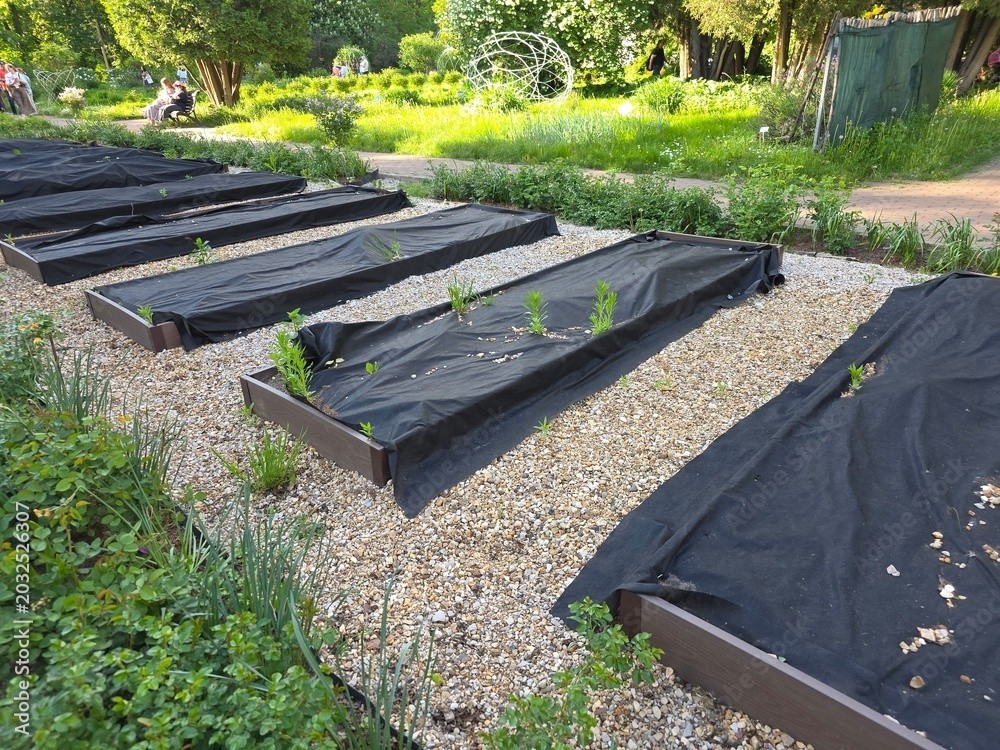
Is landscaping fabric water permeable? Learn how it works in garden beds, when to use it, and tips from Beaver Creek Nursery & Landscaping in Marshfie...