October 3, 2026
Common Outdoor Project Costs: How Much Does Landscaping Cost?
Wondering how much landscaping costs in Central and Northern Wisconsin? Explore the factors that shape pricing for common outdoor projects near Marshf...
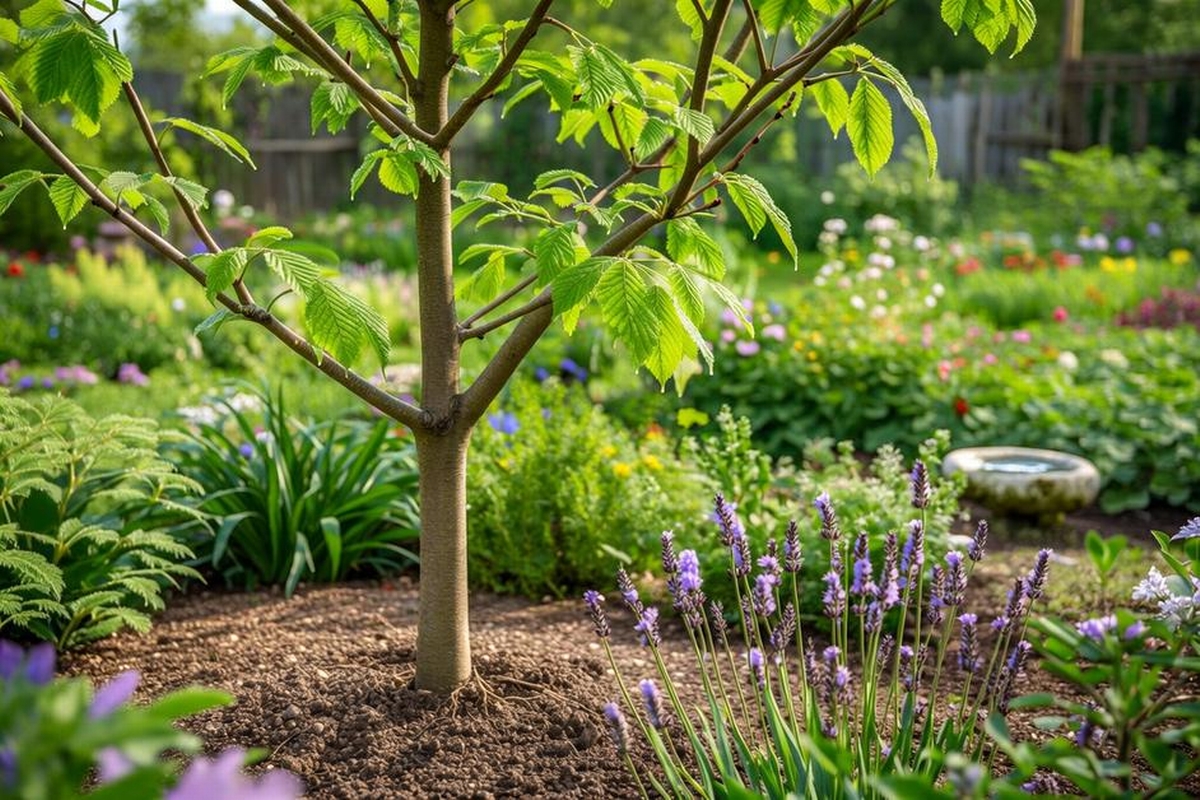
Growing a tree can be a rewarding and enlightening experience, but many people ponder the fundamental question: how long does it take for a tree to grow? Whether you're an enthusiastic gardener or a homeowner contemplating a landscape transformation, understanding the science behind tree growth can enhance your decisions and expectations. This question is not just a matter of curiosity but a practical consideration when planning how to use the services of lawn care and landscaping contractors in Marshfield and nearby neighborhoods.
Growing a tree is a complex process that involves various stages, each contributing to the overall timeline of tree development. Trees are living organisms, and their growth depends on factors like species, climate, soil quality, and care practices. This blog will delve into the various stages of tree growth, explore the factors that influence it, and provide practical insights for gardeners and homeowners alike. By understanding these elements, you can better anticipate how long it might take for your chosen tree species to flourish and thrive.
Understanding the life cycle of a tree is crucial for estimating growth timelines. A tree's life can be divided into several stages, each contributing to its maturity and structural development. By examining these stages closely, you can gather insights into how long each phase lasts and what might expedite or hinder growth.
The journey of a tree begins with a seed, often relying on specific environmental conditions to initiate germination. Typically, seeds require adequate moisture, the right temperatures, and, in some species, exposure to light. This process can take anywhere from a few days to several weeks. In regions like Wisconsin, the timing and weather conditions can significantly influence germination success rate.
Following germination, the tree enters the seedling stage, characterized by rapid growth and the development of essential systems like roots and shoots. This phase is critical for establishing the plant's foundation, often taking 1 to 5 years, depending largely on the species and growing conditions. During this time, providing nutrients, watering adequately, and ensuring sunlight exposure are vital.
Once the seedling matures, it becomes a sapling—a stage defined by a distinct trunk and branch system. This period can last from 5 to 25 years. Saplings require regular maintenance, including pruning and pest management, which are essential for healthy development. Local lawn care and maintenance services in Marshfield, WI often assist with this to ensure healthy sapling growth.
Tree maturity varies significantly by species. For fast-growing trees, like birches and poplars, maturity might be reached in 20 to 30 years. On the other hand, slower-growing species like oaks can take upwards of 50 to 100 years. Factors such as soil quality, climate, and care can alter these timelines.
Tree growth is never uniform; several factors can influence how long each growth stage lasts. By understanding these factors, you can manage and predict the timeline of your tree's development more effectively.
Each tree species has its own growth rate. For instance, certain maples and willows are known for their rapid growth, while conifers like pines are typically slower. Selecting the right species in line with your landscaping timeline is essential.
The climate of Marshfield, WI, predominantly affects tree growth rates. Trees require adequate sunlight, precipitation, and the right temperatures to flourish. Seasonal changes and extreme weather conditions can also impact growth phases.
Nutrient-rich, well-drained soils promote optimal tree growth, while poor soils can impede it. Soil quality can be amended through landscaping practices, including fertilization and aeration, ameliorating poor conditions and accelerating growth.
Regular pruning, pest control, irrigation, and fertilization are practices that significantly contribute to a tree's overall health and growth rate. Companies offering tree removal and stump grinding services in Marshfield and the cities surrounding it can also help manage tree health when any trees pose structural risks or if deadwood needs to be cleared.
Envisioning a fully grown tree is rewarding, but patience and vigilance are key components in the process. Understanding that factors outside of your control can influence growth is crucial for setting realistic expectations. For those in Marshfield, WI, consulting local experts like Beaver Creek Nursery & Landscaping LLC can offer personalized advice based on years of experience in the region.
For successful planting, understanding your environment's unique aspects and aligning them with your growth goals can result in a thriving landscape more quickly.
As you embark on your landscaping journey, keep in mind that enhancing a property with trees is both an art and a science. Each tree's growth timeline serves as a guide but should be tailored with individual attention to detail, particularly in regions with variable climates like Marshfield.
If ever in doubt or in need of expert services, Beaver Creek Nursery & Landscaping LLC, known for its commitment to quality service in Marshfield and beyond, provides a plethora of services. From general lawn care and maintenance to specific tasks such as tree removal and stump grinding, expert advice and hands-on assistance are just a call away.
Contact us today and let Beaver Creek Nursery & Landscaping LLC help you enjoy the lush, thriving landscape you've envisioned, no matter how long it takes for your trees to grow. Their dedicated expertise will ensure your landscape grows beautifully and sustainably, providing peace of mind and a stunning environment for years to come. Whether you're in need of landscaping, lawn care and maintenance, tree removal, or snow and ice removal in Marshfield, partnering with professionals guarantees a landscape that nurtures your dreams.

October 3, 2026
October 1, 2026
Permit requirements for tree removal vary based on your location and the size of the tree. We can help determine if a permit is necessary and guide you through the process to ensure compliance with local regulations.
If your lawn has bare patches, thinning grass, or persistent weeds, it may be time for new lawn installation or repair. Our team will assess your soil and recommend the best grass type for your property.
The duration depends on the method used. Sod installation provides an instant green lawn and is typically ready for use in a few weeks, while seeding takes longer but is a cost-effective option.
The cost to cut down a tree varies based on factors like its size, location, and condition. Larger trees or those near structures typically require more labor and specialized equipment, increasing the cost of cutting it down.
The cost to grind a stump is influenced by the stump's size, root depth, and accessibility. On average, stump grinding ranges from $100 to $500 per stump, with larger or more deeply rooted stumps potentially requiring a higher cost.
Tree removal costs vary based on factors like the tree's height, diameter, location, and overall condition. Tree removal estimates typically range from $300 to $2,500, with more complex jobs—such as those near power lines or buildings—requiring additional labor and safety measures.
October 3, 2026
Wondering how much landscaping costs in Central and Northern Wisconsin? Explore the factors that shape pricing for common outdoor projects near Marshf...
October 1, 2026
Wondering what landscaping fabric is made of and how it works? Beaver Creek explains fabric types, uses, and installation tips for Wisconsin yards.
September 17, 2026
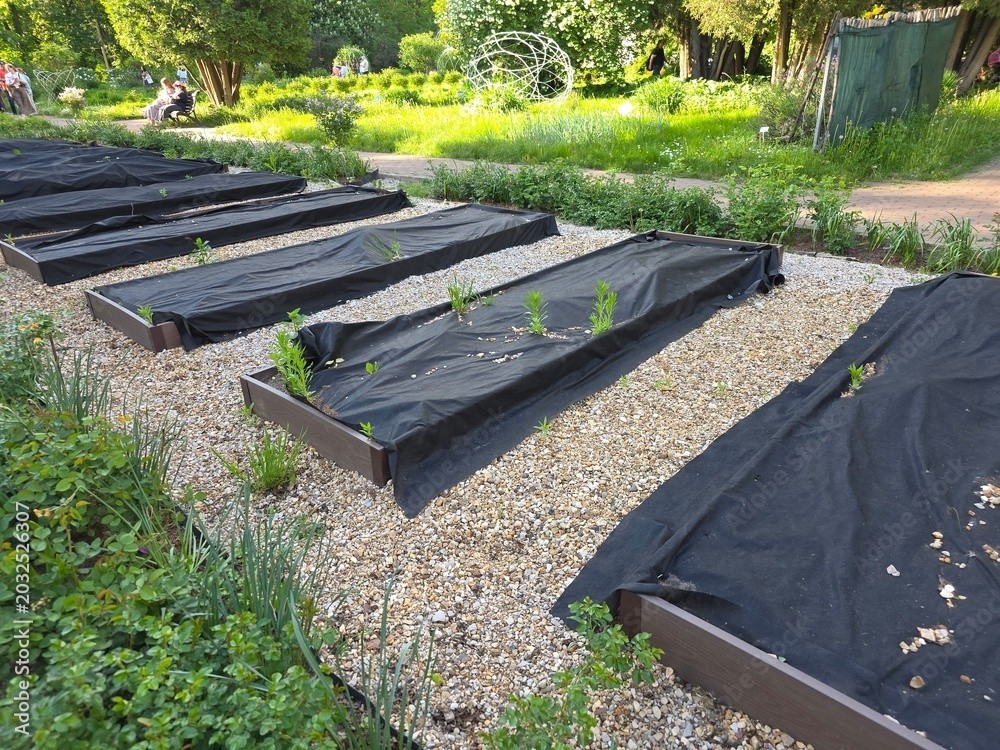
Is landscaping fabric water permeable? Learn how it works in garden beds, when to use it, and tips from Beaver Creek Nursery & Landscaping in Marshfie...