October 3, 2026
Common Outdoor Project Costs: How Much Does Landscaping Cost?
Wondering how much landscaping costs in Central and Northern Wisconsin? Explore the factors that shape pricing for common outdoor projects near Marshf...
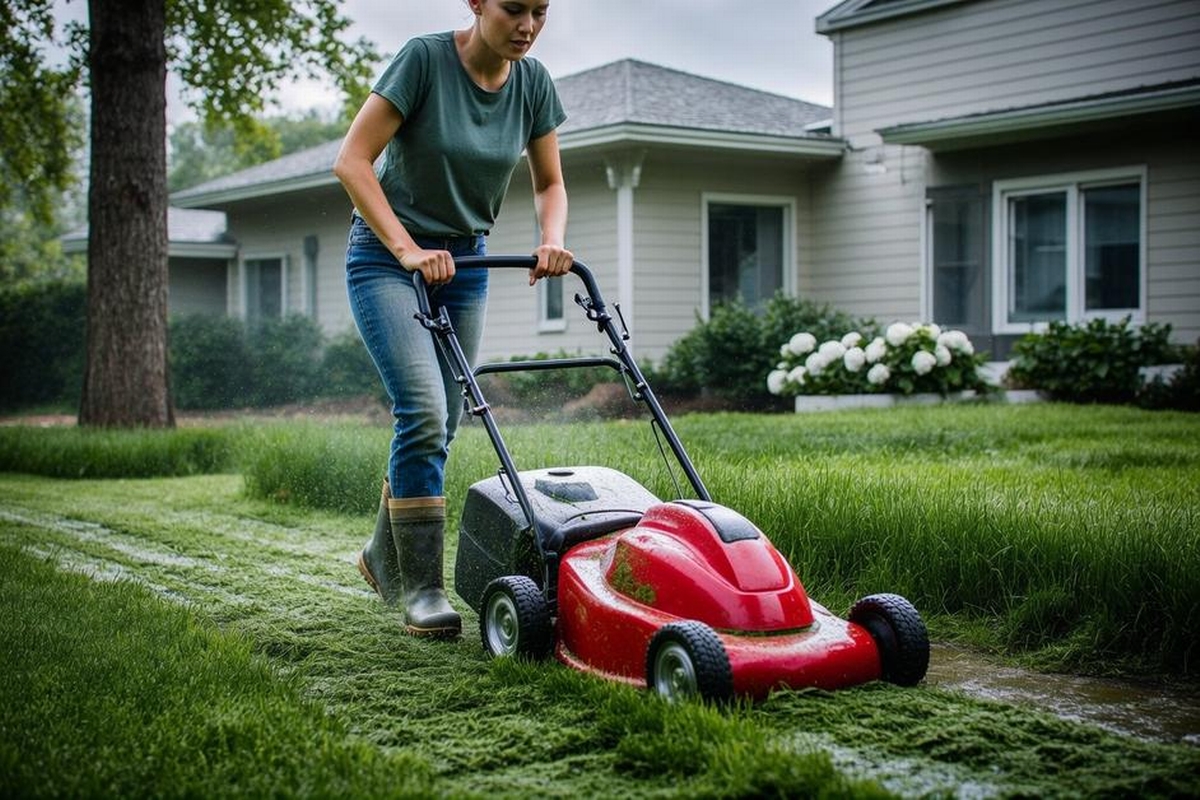
Mowing the lawn is a routine chore for many homeowners, but rainfall can throw a wrench in your grass-cutting plans. Should you mow wet grass? This question often leaves property owners guessing, especially those looking for advice from lawn care and landscaping contractors in Marshfield and its nearby neighborhoods. While it is tempting to keep your lawn looking pristine regardless of the weather, there are several considerations that should guide your decision. In this blog post, we'll explore the pros, cons, and risks of mowing wet grass, offering tips on how to best care for your lawn under these conditions.
Maintaining a beautiful lawn is more than just an aesthetic choice. It contributes to the curb appeal and overall value of your property. So, should you mow wet grass, or is it wiser to wait for sunny skies? We'll delve into the potential benefits and the significant drawbacks, aiming to inform your next move in lawn care. Stick around as we also reveal expert insights to ensure your lawn remains lush, vibrant, and healthy even when the weather isn't on your side.
First, let's consider the potential advantages of mowing wet grass. While not commonly recommended, there can be situations where mowing after a rain shower might be beneficial.
Lawn grass tends to grow quickly after rain, thanks to the abundant water supply and nutrients being more readily available. Mowing wet grass could keep excessive growth in check and maintain a tidy appearance. This can be particularly useful if you're expecting guests or planning an outdoor event at short notice.
Mowing can help manage weeds by consistently cutting them back before they seed. This holds true whether the grass is wet or dry. Mowing the lawn soon after it rains might help prevent weed proliferation since weeds also thrive in freshly wet conditions.
The downsides often outweigh the benefits when it comes to cutting grass that is wet. Let’s explore several disadvantages that might convince you to hold off until the grass dries.
Mowing a wet lawn can lead to uneven cuts. Wet grass tends to bend and doesn’t stand up properly, making it difficult for the mower blades to achieve a smooth cut. This can result in a patchy-looking lawn. Moreover, the mower wheels can create unsightly ruts in the soft ground, damaging the soil structure and affecting the grass’s ability to grow healthily.
Wet grass clippings are notorious for clumping together. These clumps can smother the healthy grass beneath, leading to brown patches and possibly harming your lawn over time. Additionally, the buildup of wet thatch can block sunlight, making it difficult for your lawn to thrive.
Beyond the immediate pros and cons, there are other risks associated with mowing wet grass that you should consider.
Operating a lawnmower on wet grass can be dangerous. The ground can be slippery, increasing the risk of personal injury from falls. Moreover, wet conditions could increase the likelihood of electrical hazards, especially with electric mowers. Taking safety precautions is essential if you find yourself needing to mow a wet lawn.
Your mower is an investment, and using it to cut wet grass can lead to mechanical problems. Wet grass can clog the mower deck and dull the blades more quickly. The moisture could also cause parts of the machine to rust, reducing its lifespan and leading to costly repairs.
If you must mow wet grass, here are some strategies to minimize damage to your lawn and keep it safe during operation.
Certain conditions warrant delaying your mowing chores entirely. If the rain has saturated your lawn to the point of forming puddles, or if thunderstorms are predicted to follow, it's always safer to postpone. Moreover, during frost, it's crucial to avoid mowing, as the risk of harming your grass is maximized.
To ensure that expert mowing is done safely and effectively, consider reaching out for professional assistance. Beaver Creek Nursery & Landscaping LLC offers landscaping, lawn care and maintenance services in Marshfield that can cater to your specific needs.
Lawn care can sometimes feel like a balancing act, especially when the weather throws you a curveball. In severe weather, you may even require additional services such as land clearing or even snow and ice removal. Deciding when to mow wet grass depends largely on the specific circumstances and desired outcomes for your lawn.
Before making any decisions, consider the state of your equipment, safety conditions, and your lawn's current health. For guidance and specialized care, Beaver Creek Nursery & Landscaping LLC is here to provide comprehensive solutions for your landscaping needs, helping you to maintain a lush and inviting lawn. Contact us today for expert assistance and ensure your lawn remains the verdant oasis you envision.

October 3, 2026
October 1, 2026
Permit requirements for tree removal vary based on your location and the size of the tree. We can help determine if a permit is necessary and guide you through the process to ensure compliance with local regulations.
If your lawn has bare patches, thinning grass, or persistent weeds, it may be time for new lawn installation or repair. Our team will assess your soil and recommend the best grass type for your property.
The duration depends on the method used. Sod installation provides an instant green lawn and is typically ready for use in a few weeks, while seeding takes longer but is a cost-effective option.
Typically, we recommend weekly or biweekly services for mowing, pruning and trimming, and general upkeep. Seasonal maintenance, such as aeration, fertilizing, and leaf cleanup, is also essential to keep your yard looking its best year-round.
The best time to plant trees and shrubs is usually in early spring or fall when temperatures are mild, and roots have time to establish before extreme weather conditions. We can help you select and plant the right greenery for your yard.
October 3, 2026
Wondering how much landscaping costs in Central and Northern Wisconsin? Explore the factors that shape pricing for common outdoor projects near Marshf...
October 1, 2026
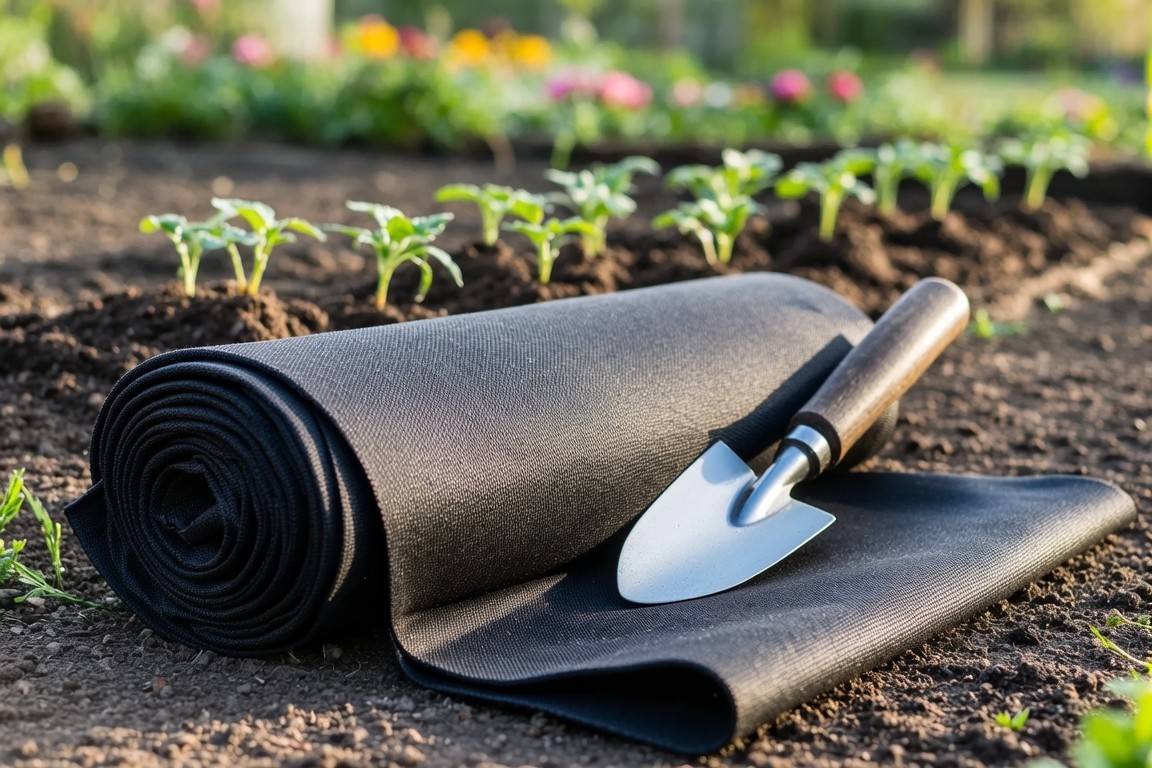
Wondering what landscaping fabric is made of and how it works? Beaver Creek explains fabric types, uses, and installation tips for Wisconsin yards.
September 17, 2026
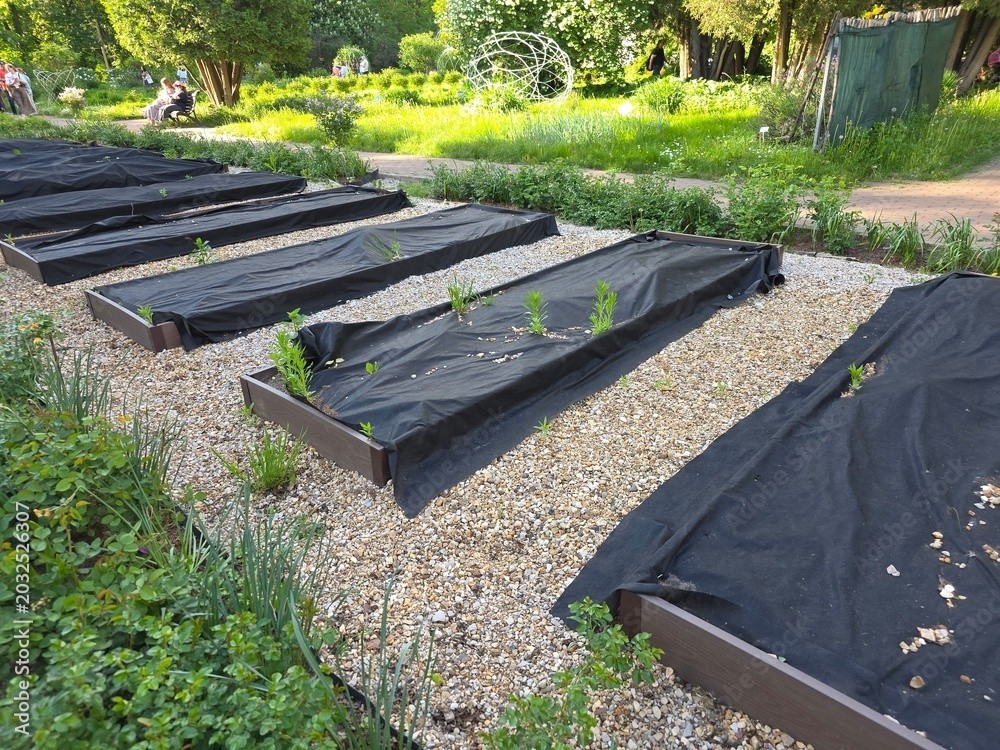
Is landscaping fabric water permeable? Learn how it works in garden beds, when to use it, and tips from Beaver Creek Nursery & Landscaping in Marshfie...