October 3, 2026
Common Outdoor Project Costs: How Much Does Landscaping Cost?
Wondering how much landscaping costs in Central and Northern Wisconsin? Explore the factors that shape pricing for common outdoor projects near Marshf...
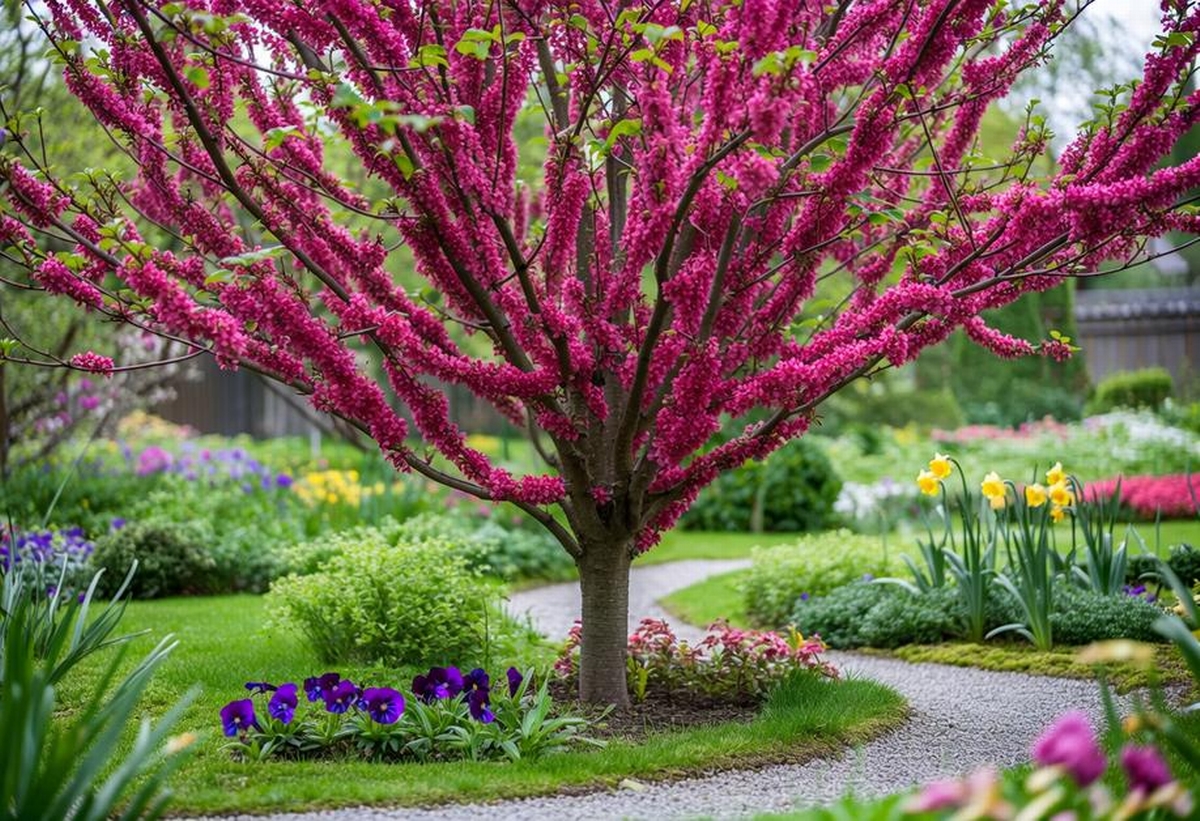
One of the most effective ways to enhance the aesthetic appeal of your garden, while maintaining practical usability, is by incorporating small trees for landscaping. These petite arboreal wonders offer visual interest without overwhelming the space, making them an excellent choice for any landscape enthusiast.
At Beaver Creek Nursery & Landscaping LLC, we recognize the importance of complementing our clients’ unique visions with specialized solutions. Whether you're seeking lawn care services in Marshfield and its neighboring areas or you’re in the process of planning your property’s next big transformation, understanding the role that small trees play in landscaping is crucial. In this guide, we'll explore popular choices and strategies to elevate your landscape design game.
What can you expect? We’ll delve into the advantages of small trees, recommend specific species suited to different environments, and share design tips for gardeners in central Wisconsin. By the end, you'll have a clearer perspective on how small trees for landscaping can redefine outdoor spaces, especially when aligned with professional services in the region.
Choosing small trees for your landscaping offers several unique benefits, enhancing both beauty and functionality in ways that larger trees may not. The primary allure lies in their adaptability and versatility. Whether you have limited garden space or are looking to create a more layered, structured garden design, small trees can seamlessly fit in without compromising aesthetics.
Small trees are suitable for various garden styles, from modern and minimalist to lush and tropical. They provide a focal point, add vertical interest, and can serve as a backdrop or fill in empty spaces harmoniously.
Smaller trees generally require less maintenance compared to larger varieties. They're easier to prune, pose less threat to structures, and adapt well to a range of soil and light conditions.
Despite their size, small trees contribute to improved air quality, reduced noise pollution, and habitat provision for local wildlife.
While small trees offer myriad benefits, they also come with certain challenges. Proper planning and selection are key to overcoming these obstacles, such as limited growth space or susceptibility to extreme weather conditions.
Now that we've established the advantages, let’s explore some popular choices of small trees ideal for landscaping in Marshfield and beyond.
Renowned for its vibrant fall foliage, the Amur Maple is a great addition to any landscape. It thrives in zones suitable for Wisconsin and grows between 15 and 20 feet tall.
The multi-stemmed Serviceberry tree offers year-round interest with spring blossoms, summer berries, and stunning autumn color. Its adaptability to various soil types makes it a valuable addition to gardens.
Known for its beautiful spring blooms, the Redbud maintains a modest, manageable size, making it perfect for small gardens or ornamental purposes.
For those looking for a unique touch, some exotic small trees might provide the flamboyance and charm you crave.
With its delicate leaves and exquisite colorations, the Japanese Maple is a show-stopper. Ideal for sheltered areas, it requires a bit more care but rewards with unparalleled beauty.
Characterized by its weeping habit and silvery foliage, the Weeping Pear tree offers both visual interest and shade, seamlessly fitting into small gardens.
Incorporating small trees into your landscape design involves more than just selecting the right tree. Here are key considerations and tips to ensure they thrive:
Small trees should complement, rather than dominate, a landscape. Select varieties that fit well with existing garden features and structures.
Understanding the soil composition and sunlight availability in your garden helps ensure the right species placement.
While aesthetics are crucial, consider the tree’s functional role in your garden. Will it be providing shade, attracting wildlife, or serving as a seasonal highlight?
Partnering with a professional landscaping service, like Beaver Creek Nursery & Landscaping LLC, ensures that your vision is expertly realized. From land clearing to tree planting, our services guarantee that your small trees for landscaping are integrated seamlessly into the overall design.
Once you’ve selected the right small trees and planned their placement, it's important to continue nurturing them to achieve their full potential.
Maintaining your small trees through regular pruning will promote healthy growth and structural integrity.
Adapt your care routine based on the season to prevent issues like frost damage or dehydration in summer.
Consider complementary services like tree removal and stump grinding in Marshfield to address the broader needs of your landscape, ensuring it remains vibrant and healthy year-round.
While small trees present unmatched opportunities to enhance a landscape’s beauty, their success often depends on the expertise and care they receive. At Beaver Creek Nursery & Landscaping LLC, we are committed to providing superior landscaping, lawn care and maintenance services in the region. Whether you’re in Marshfield or the surrounding areas, our team is poised to assist you in creating lush, stunning outdoor spaces tailored to your needs.
Imagine your outdoor space thriving with the charm and character that only small trees can bring. Embrace this landscaping magic by consulting with our expert team to transform your vision into reality. Ready to embark on your landscaping journey? Reach out to Beaver Creek Nursery & Landscaping LLC for a consultation today, and let's create something magnificent together!
October 3, 2026
October 1, 2026
Permit requirements for tree removal vary based on your location and the size of the tree. We can help determine if a permit is necessary and guide you through the process to ensure compliance with local regulations.
If your lawn has bare patches, thinning grass, or persistent weeds, it may be time for new lawn installation or repair. Our team will assess your soil and recommend the best grass type for your property.
The duration depends on the method used. Sod installation provides an instant green lawn and is typically ready for use in a few weeks, while seeding takes longer but is a cost-effective option.
The cost to cut down a tree varies based on factors like its size, location, and condition. Larger trees or those near structures typically require more labor and specialized equipment, increasing the cost of cutting it down.
The cost to grind a stump is influenced by the stump's size, root depth, and accessibility. On average, stump grinding ranges from $100 to $500 per stump, with larger or more deeply rooted stumps potentially requiring a higher cost.
Tree removal costs vary based on factors like the tree's height, diameter, location, and overall condition. Tree removal estimates typically range from $300 to $2,500, with more complex jobs—such as those near power lines or buildings—requiring additional labor and safety measures.
October 3, 2026
Wondering how much landscaping costs in Central and Northern Wisconsin? Explore the factors that shape pricing for common outdoor projects near Marshf...
October 1, 2026
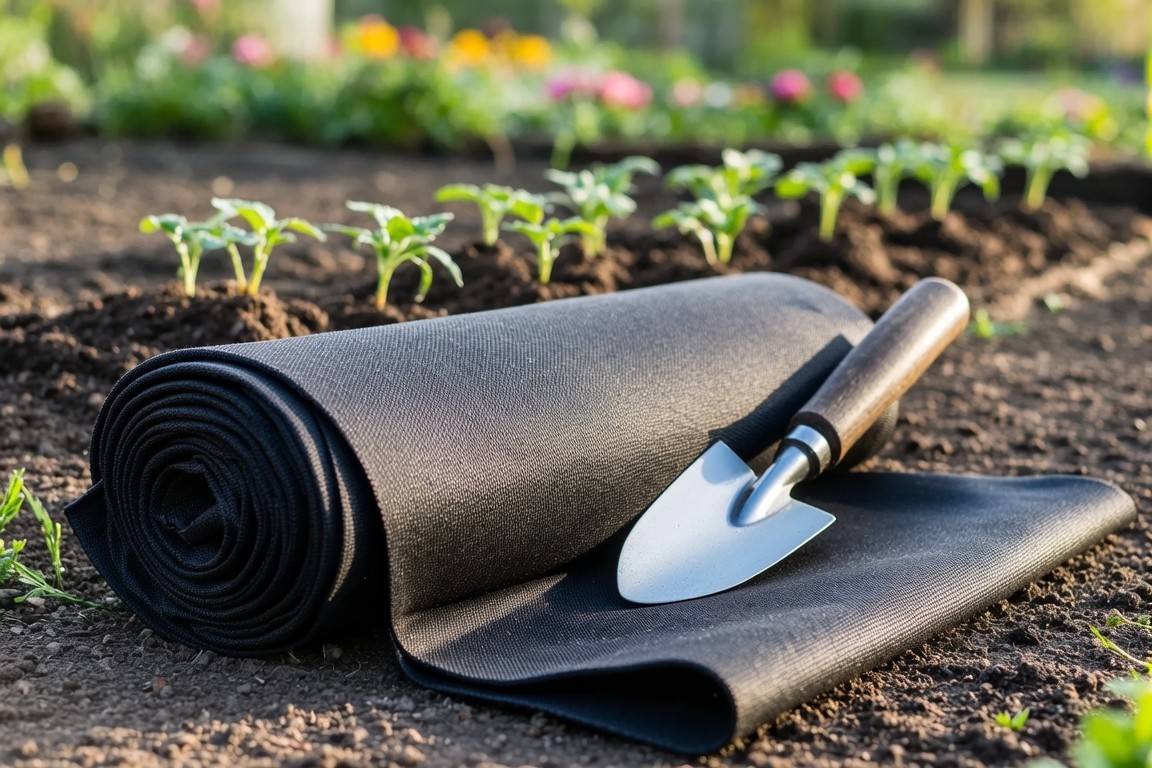
Wondering what landscaping fabric is made of and how it works? Beaver Creek explains fabric types, uses, and installation tips for Wisconsin yards.
September 17, 2026
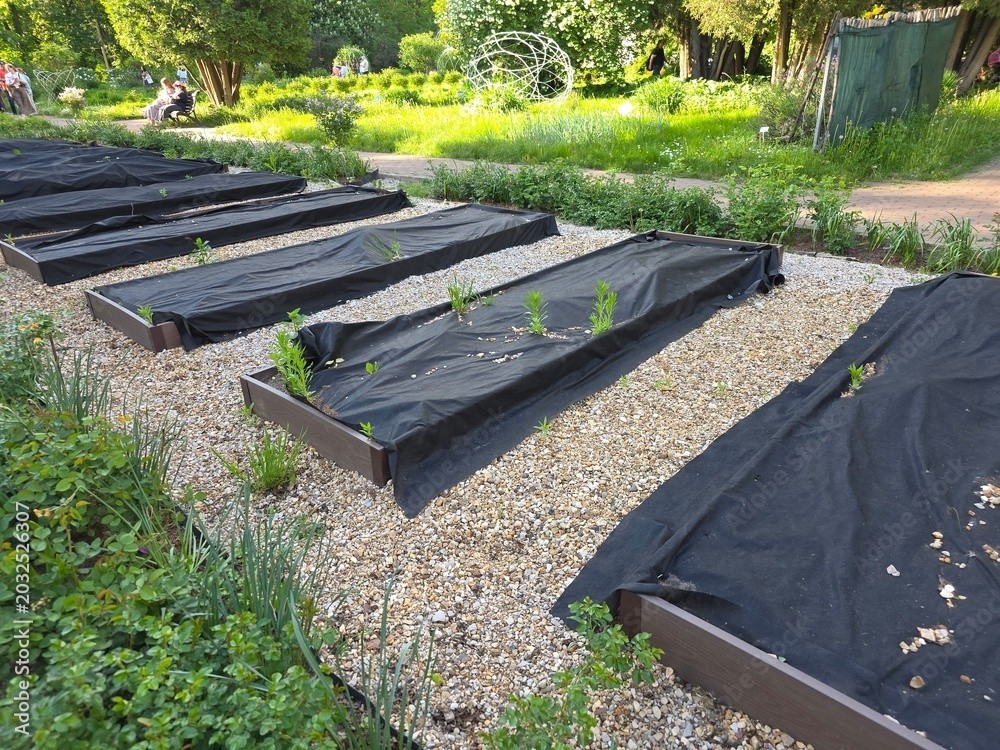
Is landscaping fabric water permeable? Learn how it works in garden beds, when to use it, and tips from Beaver Creek Nursery & Landscaping in Marshfie...