March 15, 2026
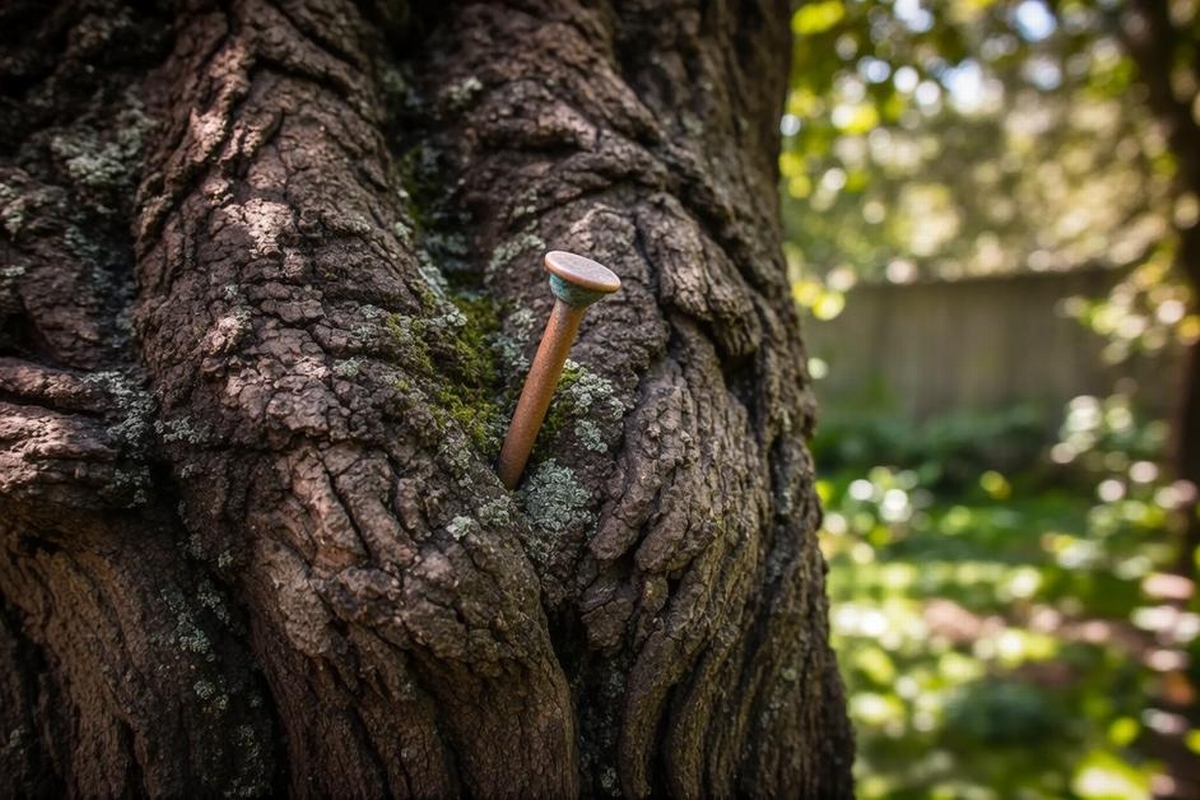
Do Copper Nails Kill Trees or Is It a Myth?
Stepping into your yard and seeing a towering tree with limbs sprawling across your property can evoke mixed emotions. While trees provide shade and b...
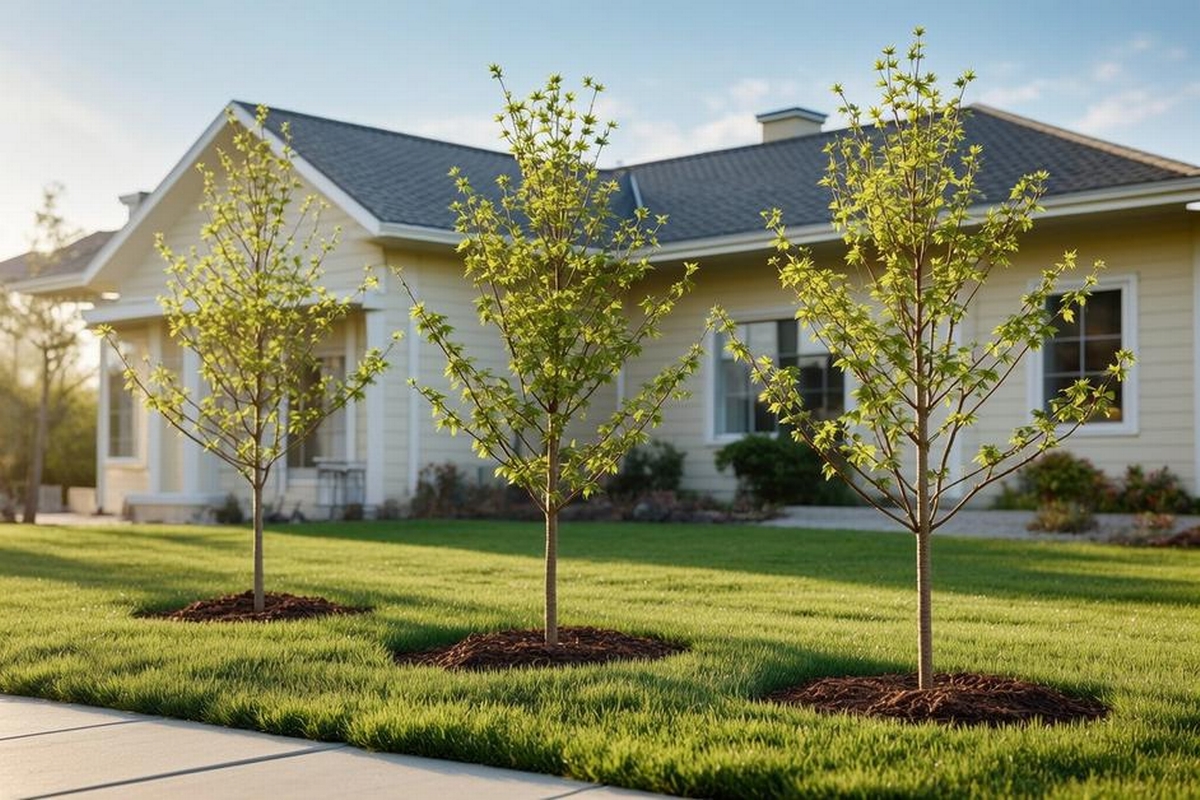
In the realm of nature's wonders, trees hold a special place for their sheer majesty and longevity. Yet, how long does it take for a tree to grow? This is a question that sparks curiosity among homeowners, landscapers, and arborists alike, evoking thoughts of time-lapse videos where saplings transform into towering giants. For those considering adding new trees to their property, understanding the factors that influence growth can guide their landscaping decisions. At Beaver Creek Nursery & Landscaping LLC, a premier landscaping company in Marshfield, we often encounter clients eager to know more about this topic as they plan to enhance their outdoor spaces with trees.
Time is of the essence, and in the world of trees, it's a complex equation. Whether you're considering a new planting or waiting for an existing tree to reach its full glory, recognizing what affects growth can be as beautiful as watching the tree grow itself. Various factors, from species selection to environmental conditions, play crucial roles in determining the growth rate of a tree. This post delves deep into the different influencers on tree growth, offering insights that can transform your understanding and approach to tree planting.
The initial metric to consider in understanding how long it takes for a tree to grow is the species itself. Different species have varying growth patterns, maturity heights, and lifespans. For instance, fast-growing species like willows and poplars can reach significant heights in a few years, while oaks and maples take longer to mature but provide long-lasting beauty and shade.
Choosing the correct species should align with your landscaping objectives, available space, and climate conditions. Consideration of soil type, moisture availability, and sunlight can guide this decision. Understanding these elements helps select the best-suited trees that thrive in their environment.
Climate is a fundamental factor in determining tree growth rates. Trees naturally adapted to a specific climate will grow more efficiently and healthily in that environment. In Marshfield, WI, the local climate conditions loom large over any landscaping decision. The area's cold winters and moderate summers influence which species will flourish. Equally important are microclimates - those small, specific conditions within your yard that may have unique sunlight, wind, or moisture levels.
Additionally, environmental events such as droughts, floods, and storms can impact tree growth dramatically. Such factors not only influence growth rates but can also affect tree health and longevity.
One of the less visible but highly impactful aspects of tree growth is soil quality. Healthy soil provides essential nutrients that support a tree's growth, stability, and resilience. Soils rich in organic matter, with proper pH levels and good drainage, create favorable conditions for root development and nutrient uptake.
In contrast, poor soil conditions can stifle growth, resulting in stunted trees with weakened defenses against pests and diseases. By conducting soil tests and amending the soil as necessary, you can set a firm foundation for growth, increasing the chances of a robust tree.
The care trees receive can significantly affect their growth. Human interventions like watering, pruning, fertilizing, and protection from pests and diseases are critical for optimal growth. Regular tree maintenance ensures that trees grow healthily and reach their full potential, a service that Beaver Creek Nursery & Landscaping LLC excels in providing through its landscaping and lawn care expertise.
Pruning, for example, is more than an aesthetic practice. It helps remove dead or diseased branches, improving overall tree health and encouraging more vigorous growth. Meanwhile, appropriate watering ensures that trees receive the moisture they need without overwatering, which can harm the root system.
Looking deeper, genetic differences and biochemical processes in trees reveal fascinating growth dynamics. Trees possess growth hormones, such as auxins and gibberellins, that regulate cell elongation and differentiation, influencing the pace and direction of growth. These hormones vary by species and can affect how long it takes for a tree to grow in different environments.
Tree genetics also determines traits like pest resistance and hardiness, which indirectly influence growth rates by reducing the occurrences of growth-stunting diseases and infestations. Understanding genetic traits can guide you in selecting trees that are more likely to thrive in Marshfield, WI's local climate.
Selecting and nurturing trees is but one aspect of landscaping. To maximize the visual and environmental benefits, trees must be integrated thoughtfully into the broader landscape design. This involves positioning trees to complement structures, existing plantings, and the natural contours of the land. Herein lies the artistry and skill of a professional landscaping company.
Proper integration enhances not only aesthetics but also the ecological benefits trees provide, such as shade, habitat, and air purification. By considering tree growth patterns and positioning them strategically, homeowners can achieve a harmonious and sustainable landscape. As those in Marshfield, WI know, trees are more than decoration - they are investments in the future of the land.
Regular monitoring of tree health and growth allows for timely interventions and adjustments to care routines. Sustainable practices such as mulching, which retains soil moisture and suppresses weeds, and composting, which enriches soil nutrients, are valuable strategies in maintaining healthy tree growth.
Engaging with tree removal and stump grinding services for Marshfield properties may sometimes be necessary when managing diseased or hazardous trees, clearing space for new growth, or maintaining landscape aesthetics and safety.
While many aspects of tree planting and maintenance can be managed independently, some situations warrant professional expertise. Complex factors affecting tree growth, such as diagnosing diseases, addressing soil deficiencies, and handling large-scale landscaping efforts, benefit from the specialized knowledge and skills of professional landscapers.
For residents of Marshfield and surrounding areas, Beaver Creek Nursery & Landscaping LLC offers tailored services that include land clearing, snow and ice removal, and tree care to meet your specific needs. By seeking our expertise, you ensure that your trees and your entire landscape receive the best opportunities for growth and sustainability.
Realizing the full potential of your landscaping vision involves more than just planting trees. The question of how long it takes for a tree to grow becomes part of a larger consideration of how each element of your outdoor environment can be optimized and integrated.
By appreciating the complexity and wonder of tree growth, utilizing expert advice, and making informed decisions, your landscape can become a vibrant, living testament to nature's beauty and resilience. Trust in the experienced hands of Beaver Creek Nursery & Landscaping LLC to cultivate and maintain a landscape that thrives today and for generations to come. Connect with us today!

March 17, 2026
March 15, 2026
Permit requirements for tree removal vary based on your location and the size of the tree. We can help determine if a permit is necessary and guide you through the process to ensure compliance with local regulations.
If your lawn has bare patches, thinning grass, or persistent weeds, it may be time for new lawn installation or repair. Our team will assess your soil and recommend the best grass type for your property.
The duration depends on the method used. Sod installation provides an instant green lawn and is typically ready for use in a few weeks, while seeding takes longer but is a cost-effective option.
The cost to cut down a tree varies based on factors like its size, location, and condition. Larger trees or those near structures typically require more labor and specialized equipment, increasing the cost of cutting it down.
The cost to grind a stump is influenced by the stump's size, root depth, and accessibility. On average, stump grinding ranges from $100 to $500 per stump, with larger or more deeply rooted stumps potentially requiring a higher cost.
Tree removal costs vary based on factors like the tree's height, diameter, location, and overall condition. Tree removal estimates typically range from $300 to $2,500, with more complex jobs—such as those near power lines or buildings—requiring additional labor and safety measures.
March 15, 2026
Stepping into your yard and seeing a towering tree with limbs sprawling across your property can evoke mixed emotions. While trees provide shade and b...
March 3, 2026
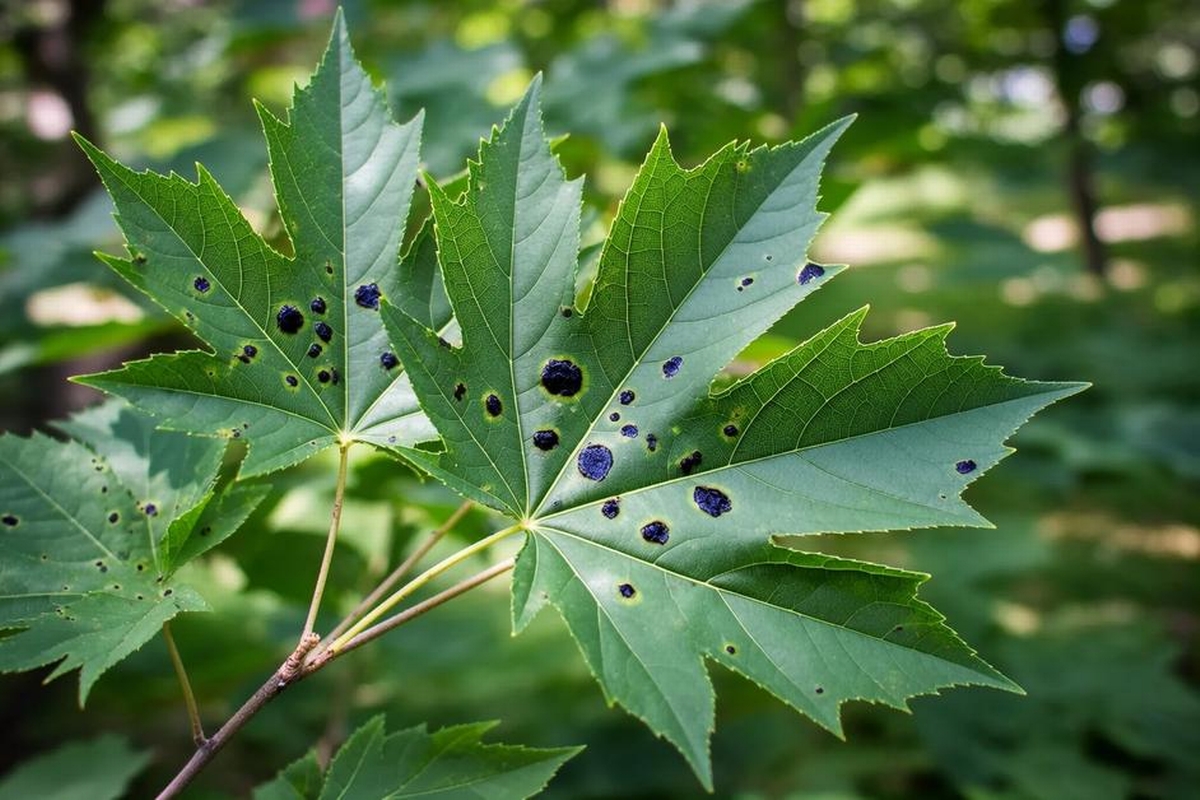
The appearance of black spots on maple tree leaves isn't just a minor cosmetic issue; it can signal underlying problems that need addressing. This...